Frontier science, explained
Space, physics and materials news from NASA, NIST, ESA/Hubble, ESA/Webb, ESO, NOIRLab and ALMA.
NIST Researchers Develop More Accurate Formula for Measuring Particle Concentration
The new method will be useful in various fields, including nanomedicine, food science, environmental science and advanced manufacturing.
nanotechnology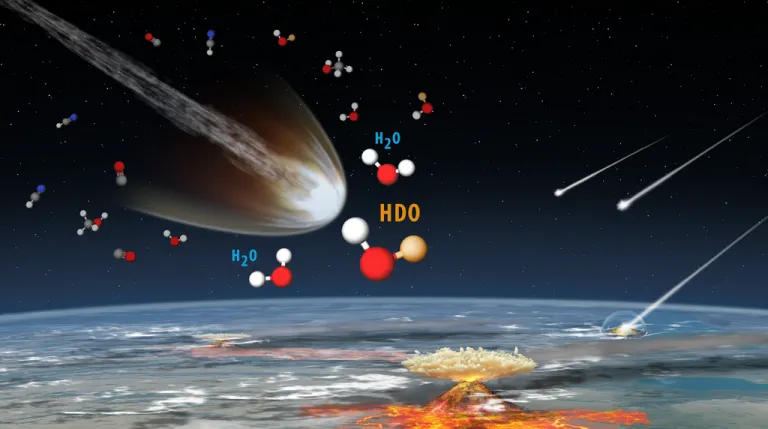
Comet’s Water Mirrors Earth’s Oceans, Strengthening Life-Origin Theory
ALMA observations of Halley-type comet 12P/Pons-Brooks reveal water with the same isotopic signature as Earth’s oceans
astrophysicsthe solar system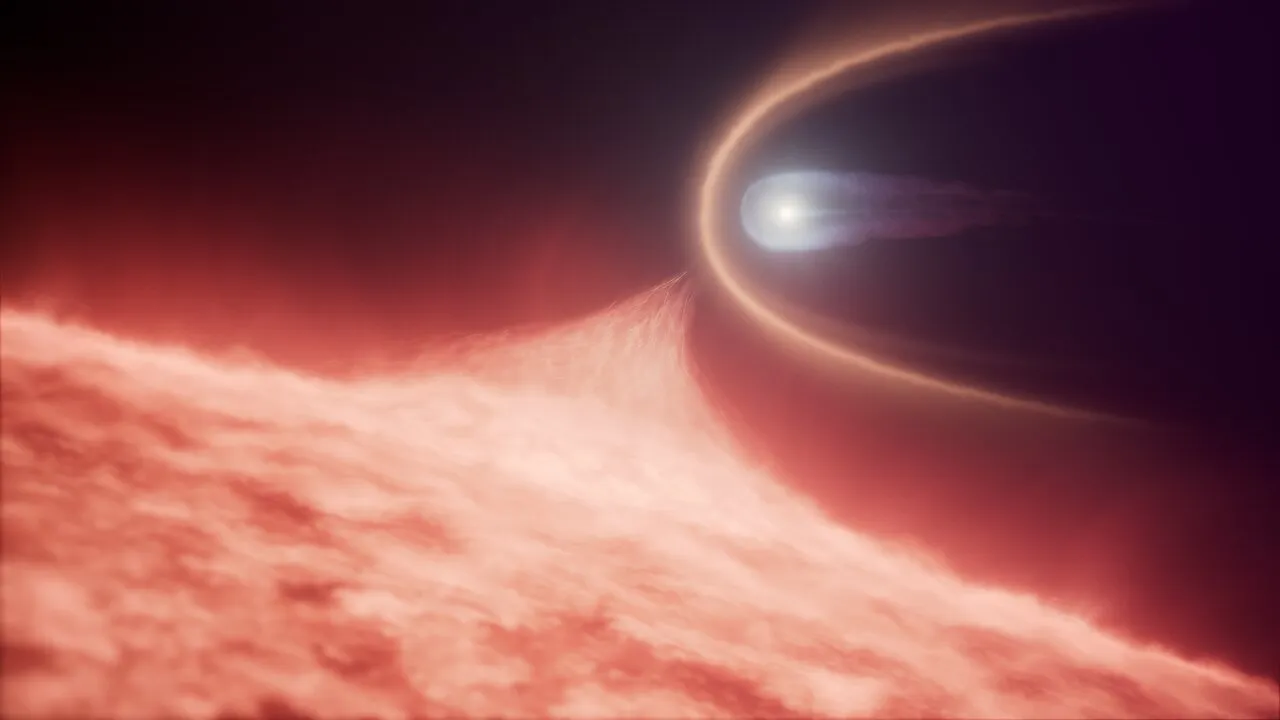
Hubble uncovers rare white dwarf merger remnant
An international team of astronomers using the NASA/ESA Hubble Space Telescope have discovered a stellar rarity: an ultra-massive white dwarf that formed when a white dwarf merged with another star, rather than through the evolution of a single star.
astrophysics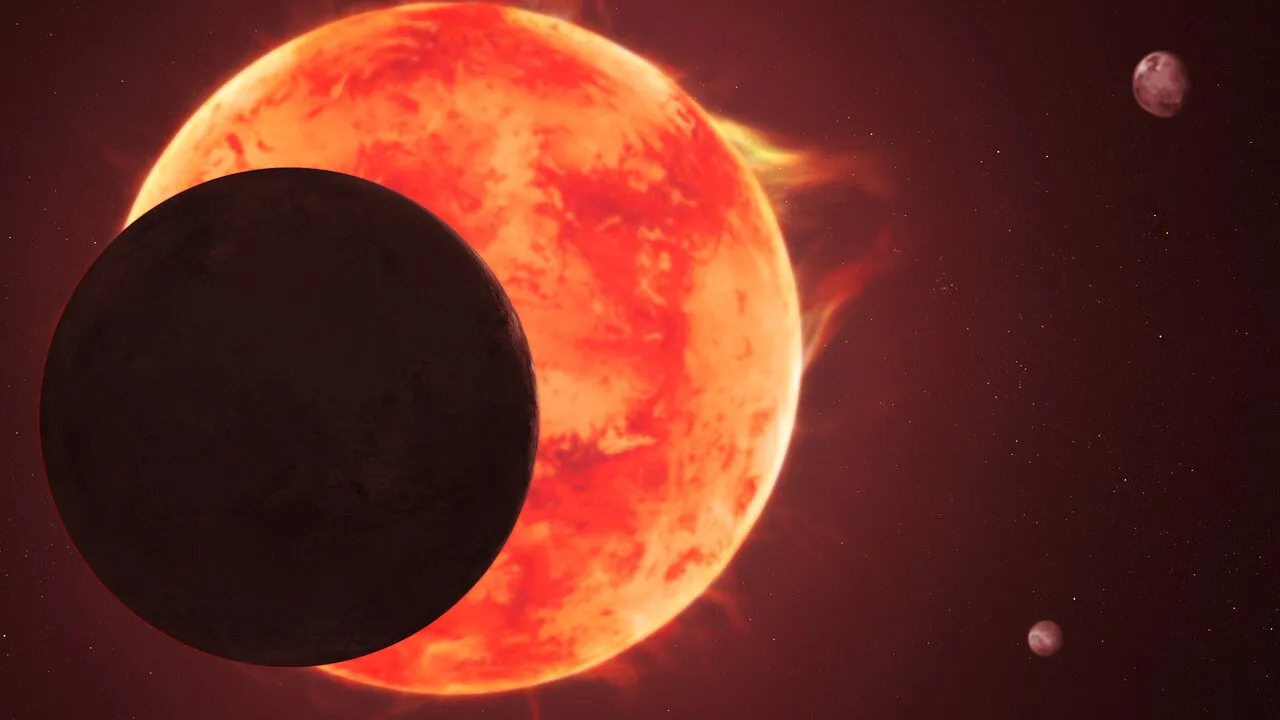
Webb narrows atmospheric possibilities for Earth-sized exoplanet TRAPPIST-1 d
The exoplanet TRAPPIST-1 d intrigues astronomers looking for possibly habitable worlds beyond our solar system because it is similar in size to Earth, rocky, and resides in an area around its star where liquid water on its surface is theoretically possible.
astrophysicsexoplanets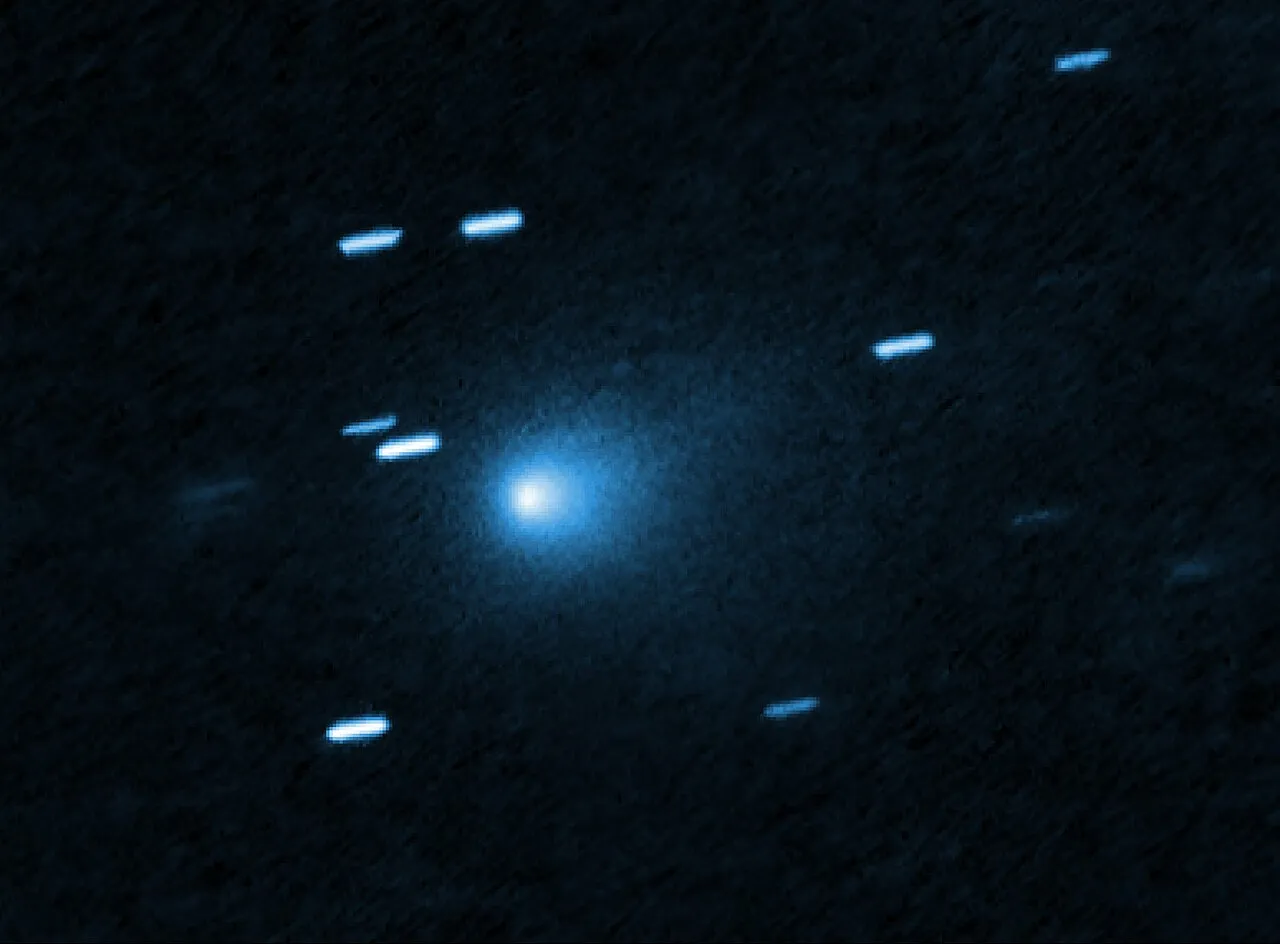
Hubble makes size estimate of interstellar comet
A team of astronomers has taken the sharpest-ever picture of the unexpected interstellar comet 3I/ATLAS, using the crisp vision of the NASA/ESA Hubble Space Telescope.
astrophysicsthe solar system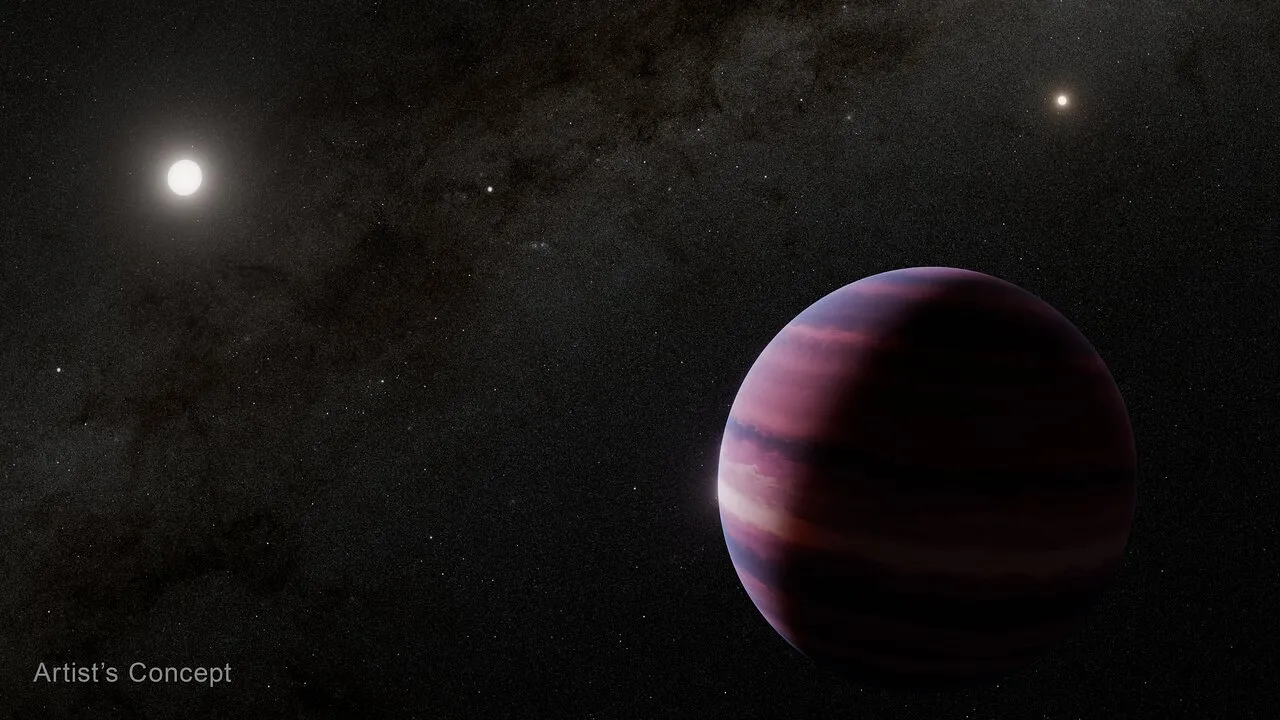
Webb finds new evidence for planet around closest solar twin
Astronomers using the NASA/ESA/CSA James Webb Space Telescope have found strong evidence of a giant planet orbiting a star in the stellar system closest to our own Sun.
astrophysicsexoplanets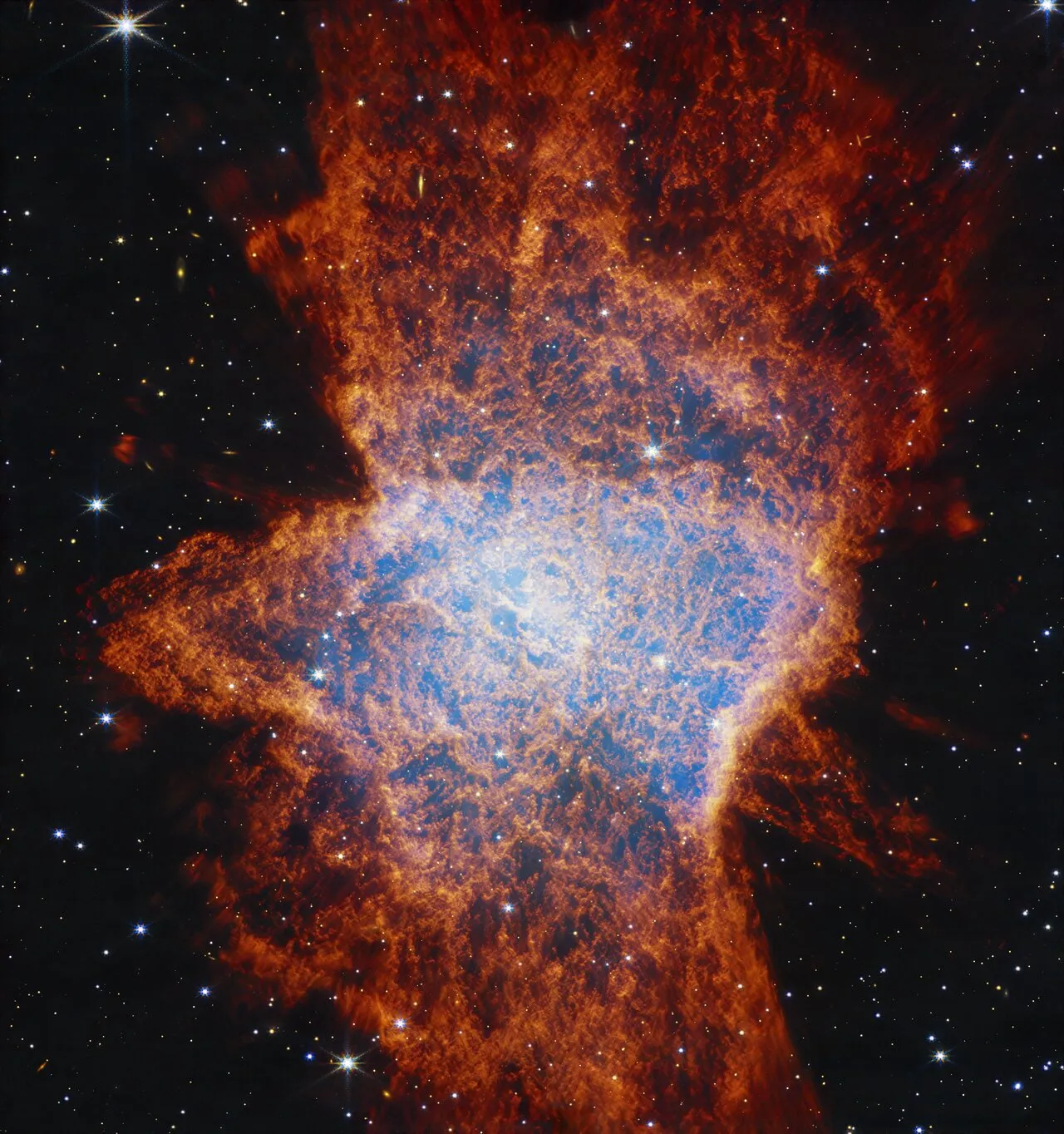
Webb traces details of complex planetary nebula
Webb’s newest look at planetary nebula NGC 6072 in the near- and mid-infrared shows what may appear as a very messy scene resembling splattered paint.
astrophysicsnebulaeAstronomers witness newborn planet sculpting the dust around it
Astronomers may have caught a still-forming planet in action, carving out an intricate pattern in the gas and dust that surrounds its young host star.
astrophysicsexoplanets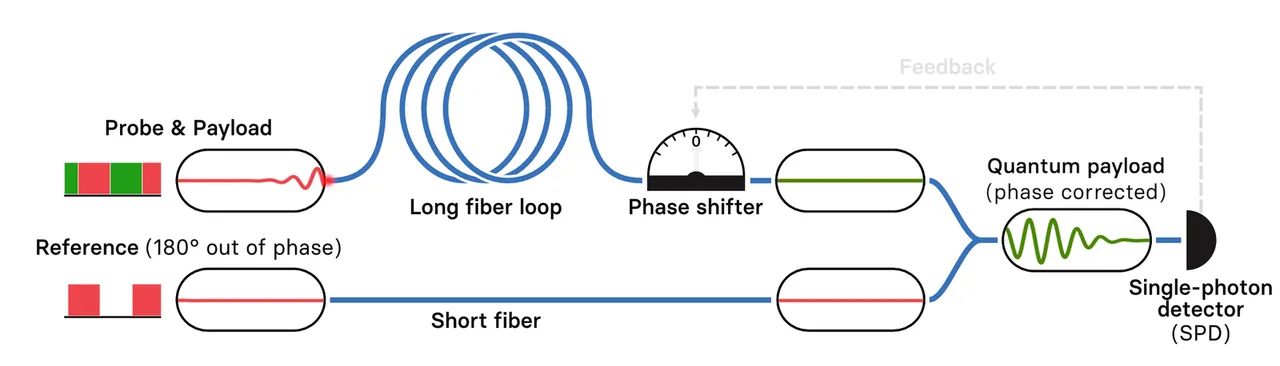
NIST Team Develops Technique to Stabilize the Phase of Weak Light Signals in Quantum Network
NIST researchers have developed a method to measure and stabilize the phase of extremely faint light signals traveling through optical fiber, a key step toward large-scale quantum networks.
physicsFor the first time, astronomers witness the dawn of a new solar system
International researchers have, for the first time, pinpointed the moment when planets began to form around a star beyond the Sun.
astrophysicsexoplanets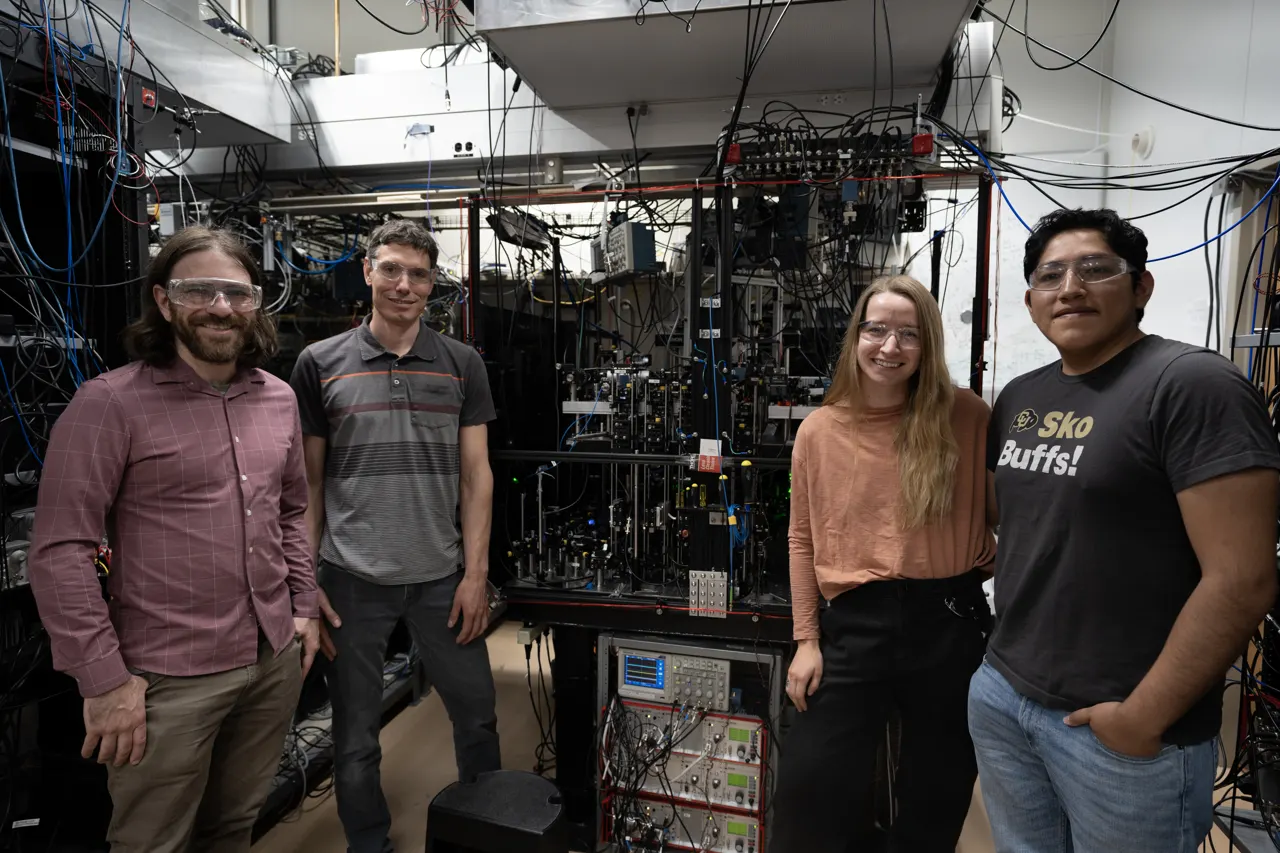
NIST Ion Clock Sets New Record for Most Accurate Clock in the World
This new result contributes to the international effort to define the second with a much greater level of accuracy than before, enabling new scientific and technological advances.
frequency combmetrology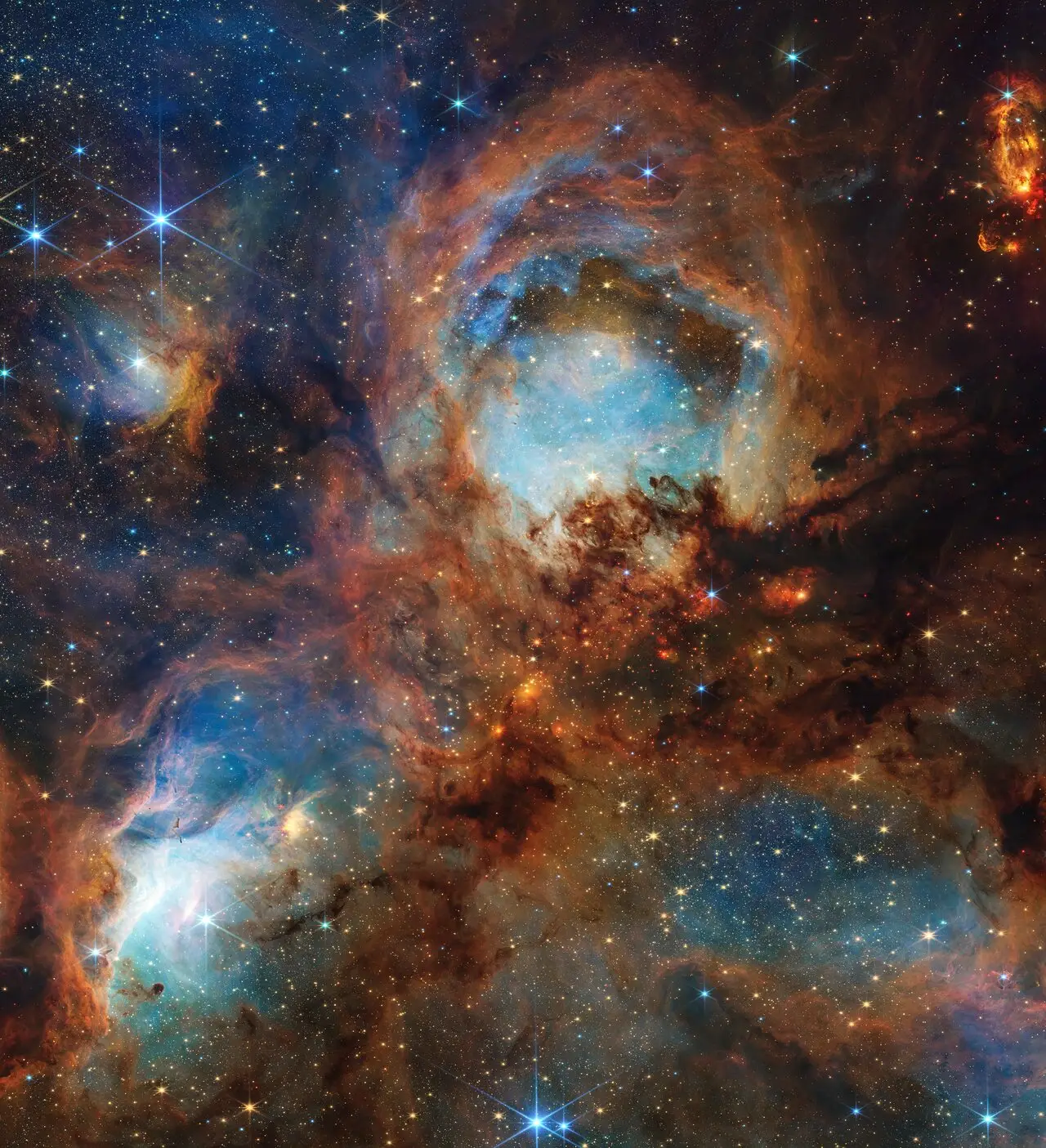
Webb scratches beyond the surface of the Cat’s Paw for third anniversary
To mark its third year of highly productive science, astronomers used the NASA/ESA/CSA James Webb Space Telescope to scratch beyond the surface of the Cat’s Paw Nebula (NGC 6334), a massive, local star-forming region.
astrophysicsnebulae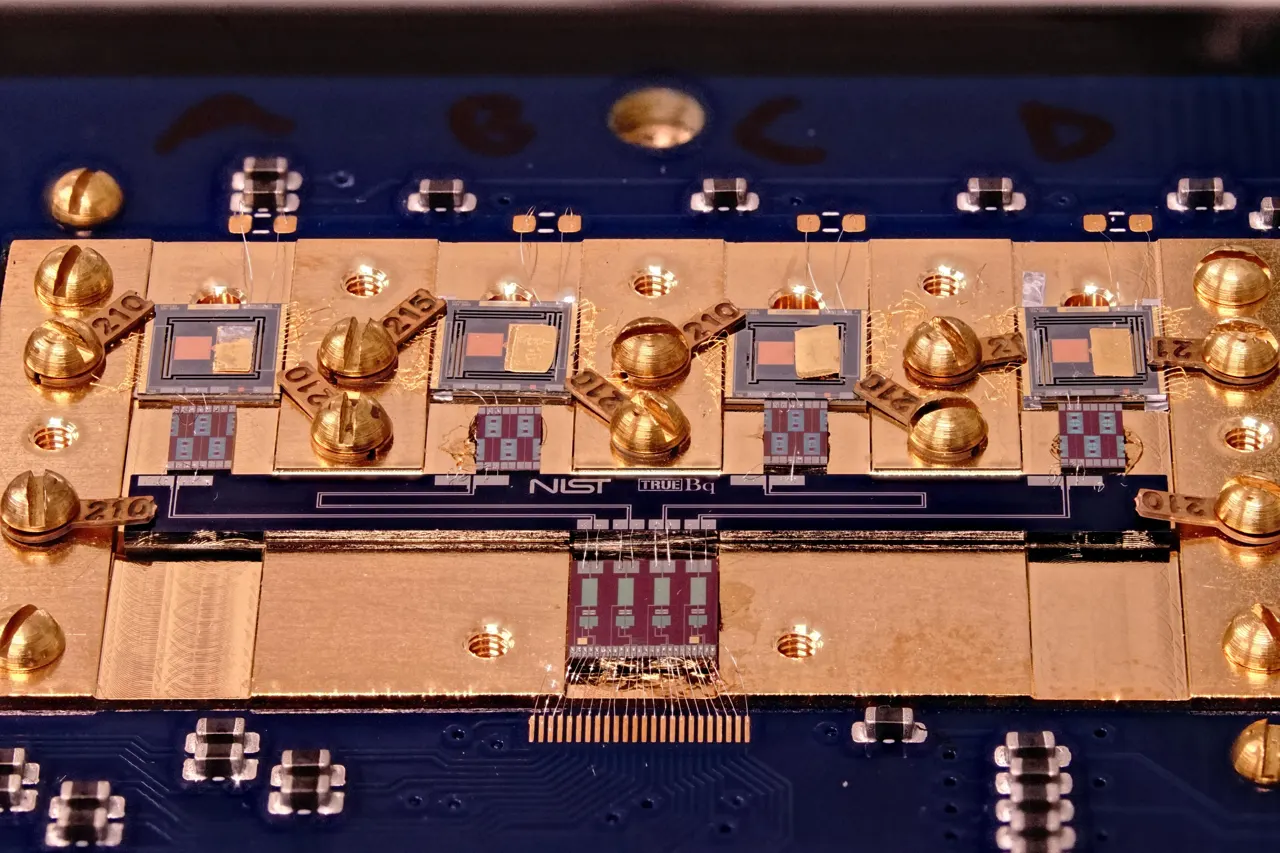
New NIST Method Precisely Measures Radioactivity in Tiny Samples
This development could support improved cancer treatments, nuclear fuel reprocessing for advanced reactors and other fields.
metrology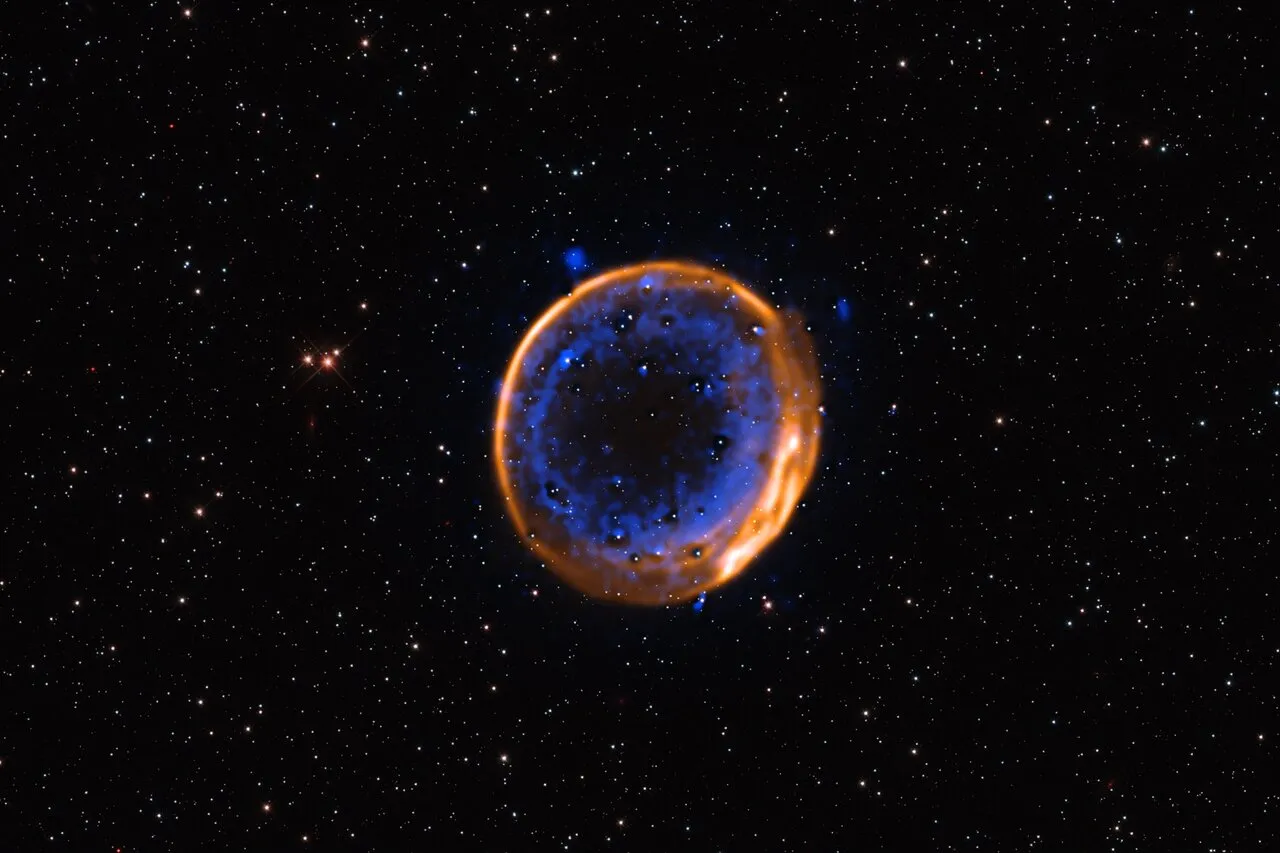
Double detonation: new image shows remains of star destroyed by pair of explosions
For the first time, astronomers have obtained visual evidence that a star met its end by detonating twice.
astrophysics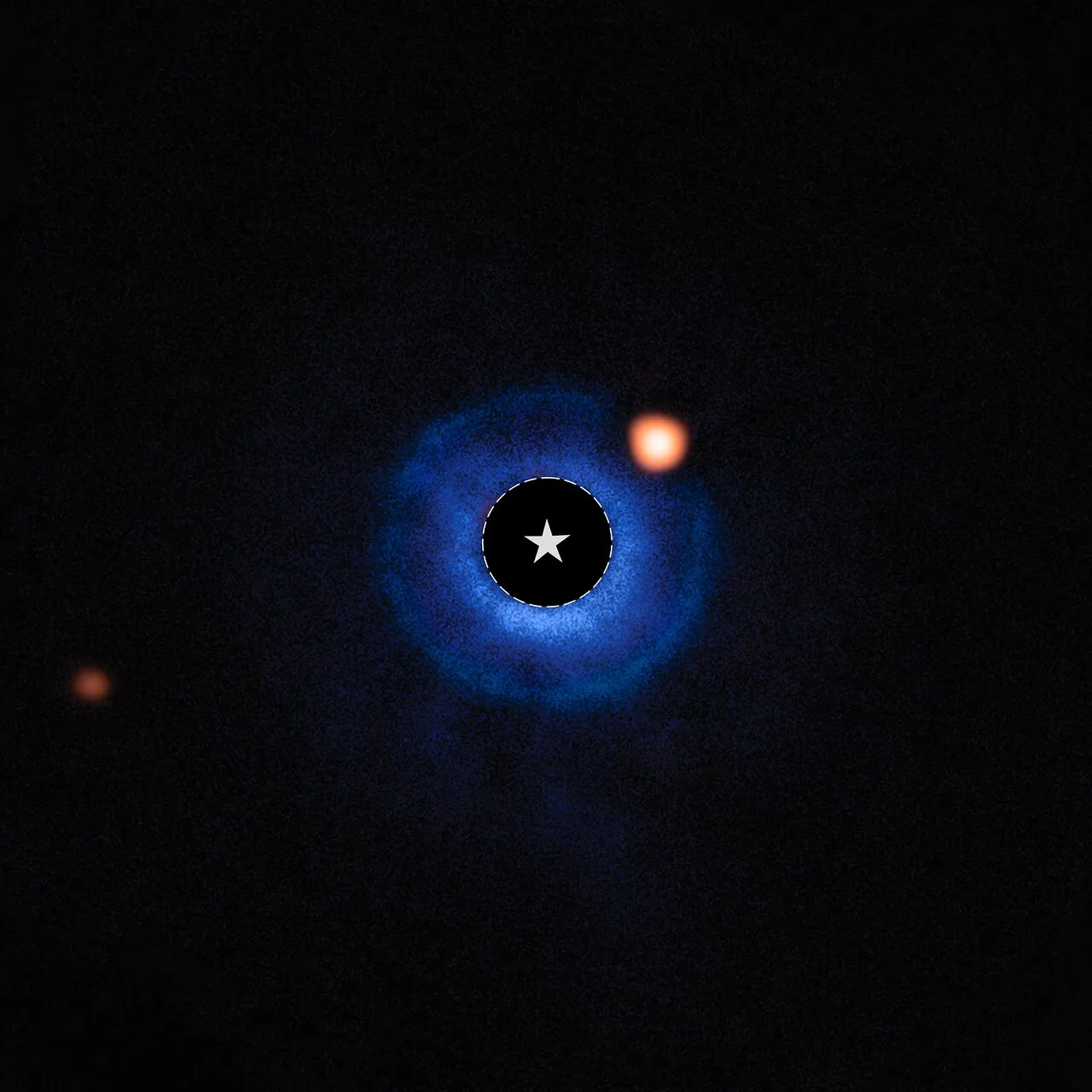
Webb captures evidence of a lightweight planet around TWA 7
Astronomers using the NASA/ESA/CSA James Webb Space Telescope have captured compelling evidence of a planet with a mass similar to Saturn orbiting the young nearby star TWA 7.
astrophysicsexoplanets