Frontier science, explained
Space, physics and materials news from NASA, NIST, ESA/Hubble, ESA/Webb, ESO, NOIRLab and ALMA.
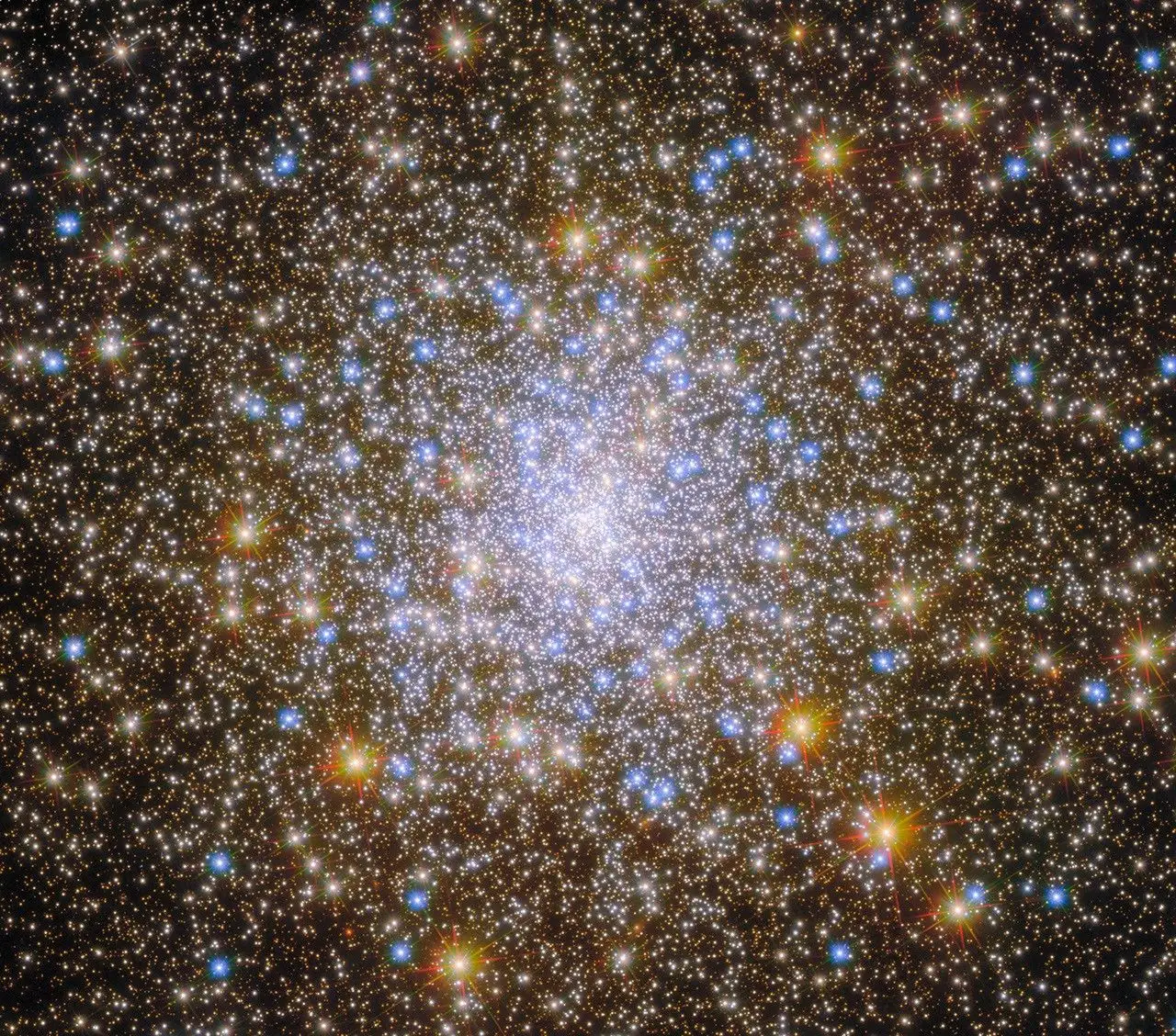
Hubble Learns Galactic History From Stars
This Hubble image features the sparkling collection of stars named Messier 30 (M30), also called NGC 7099.
astrophysicsastrophysics divisionglobular clustersgoddard space flight centerhubble space telescopestar clustersNASA’s Hubble Uncovers Case of Missing Oxygen in Nearby Dwarf Galaxies
NASA’s Hubble studied 37 nearby dwarf galaxies and found that much of the oxygen they expected to see is missing.
astrophysicsastrophysics divisiongalaxiesgoddard space flight centerhubble space telescopestarsALMA and VLA Reveal Signs of a Companion Stirring Betelgeuse’s Atmosphere
ALMA and VLA observations reveal changes in Betelgeuse’s atmosphere consistent with a close companion and confirm a cool layer near its surface.
astrophysicsNASA Explores Potential Commercial Servicing for Hubble Telescope
NASA issued a Request for Information Oct. 29 to learn more about industry capabilities for in-space servicing to support the agency’s Hubble Space Telescope.
astrophysicsastrophysics divisiongoddard space flight centerhubble space telescopethe universe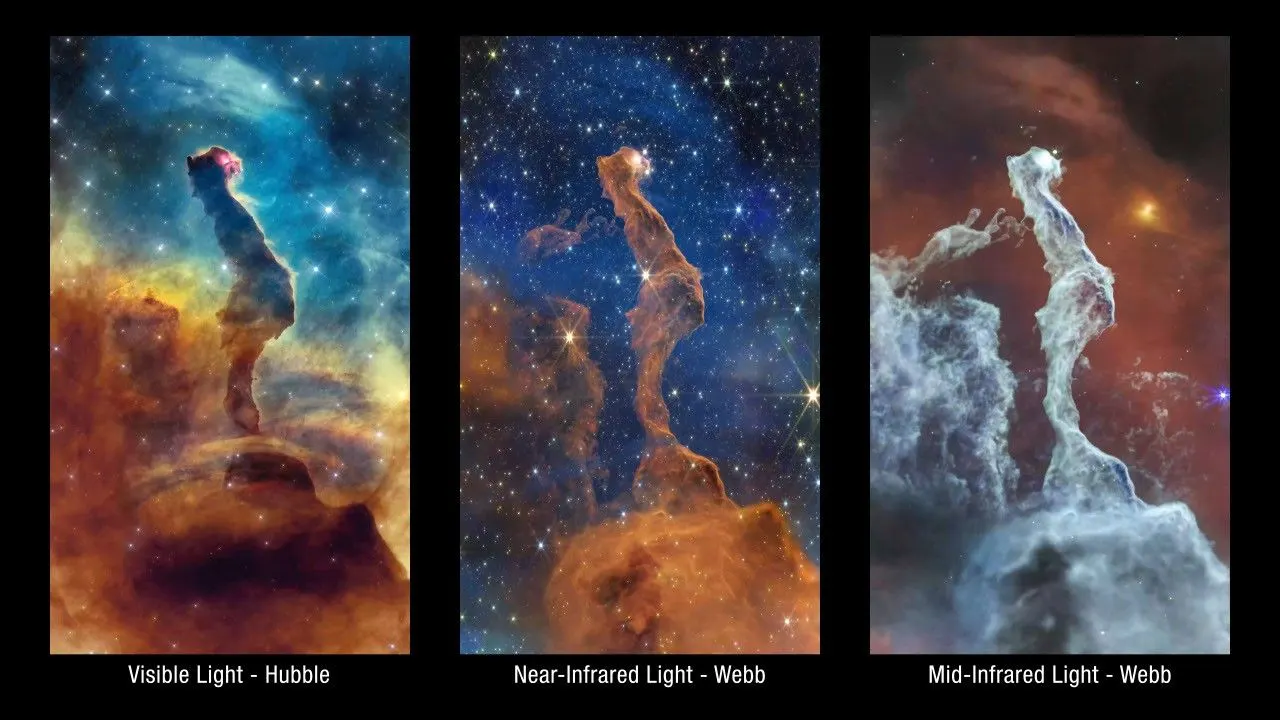
Ghostly Cat’s Head Nebula Lurks Within Sight of NASA’s Hubble, Webb
Like a spectral form rising out of a cold mist, NASA’s Hubble and James Webb Space Telescopes have captured a hauntingly dynamic star-forming scene. It lies within the vast Carina Nebula, a diffuse star-forming region located about 7,500 light-years away from Earth.
astrophysicsastrophysics divisiongoddard space flight centerhubble space telescopenebulaestars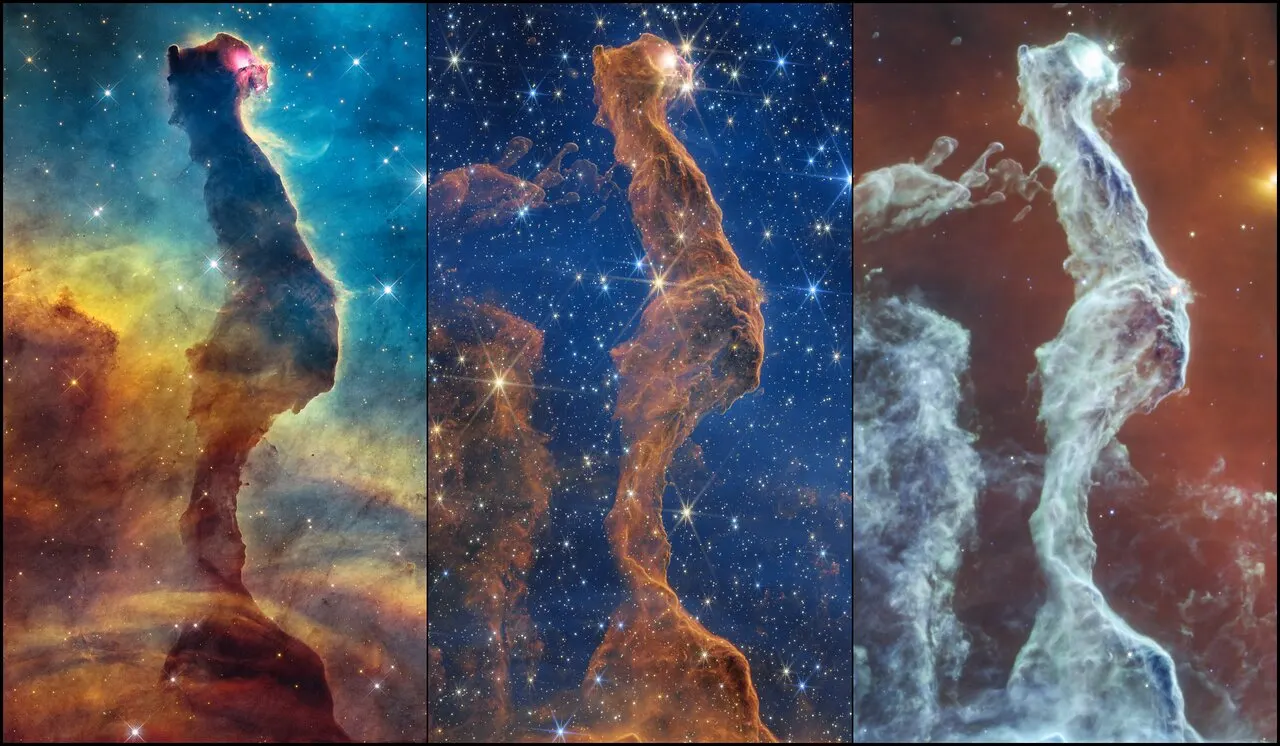
Ghostly Cat’s Head Nebula lurks within sight of Hubble and Webb
The NASA/ESA Hubble and the NASA/ESA/CSA James Webb Space Telescopes recently stared at an eerie star-forming scene within the Carina Nebula, a massive gas and dust cloud located approximately 7,500 light-years away from Earth.
astrophysicsnebulae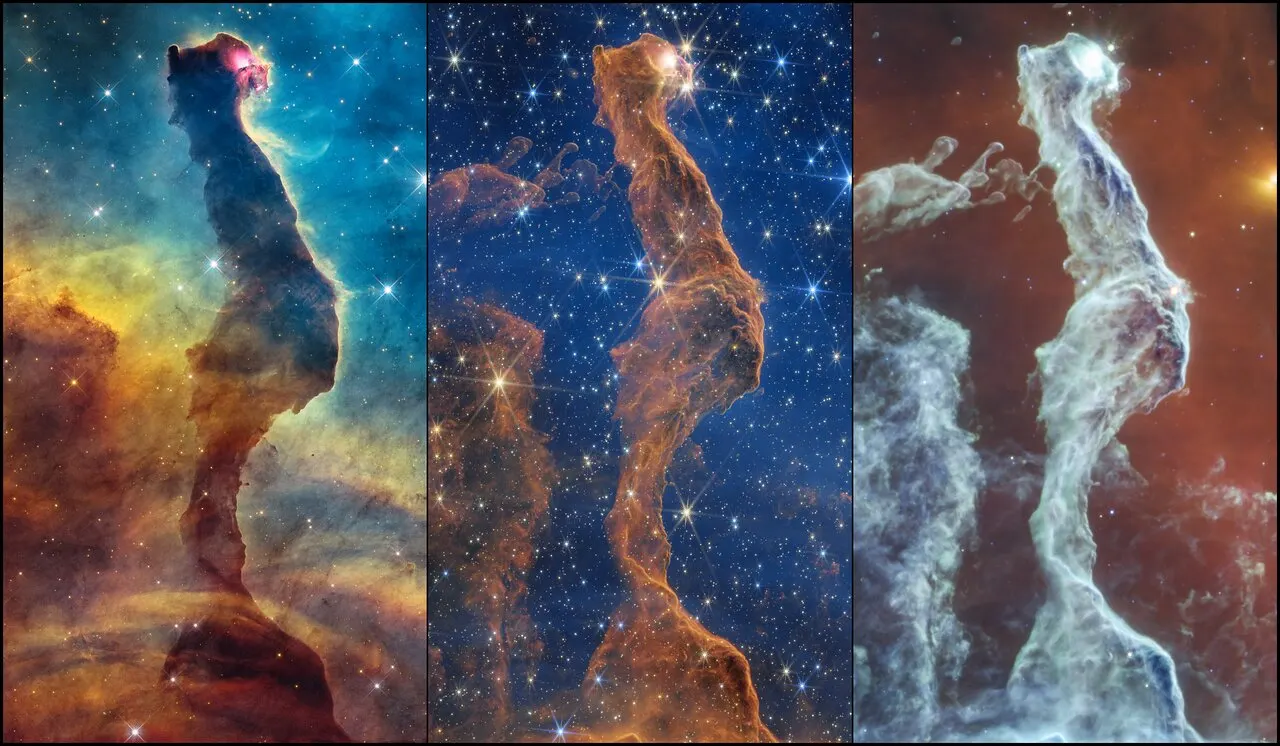
Ghostly Cat’s Head Nebula lurks within sight of Hubble and Webb
The NASA/ESA Hubble and the NASA/ESA/CSA James Webb Space Telescopes recently stared at an eerie star-forming scene within the Carina Nebula, a massive gas and dust cloud located approximately 7,500 light-years away from Earth.
astrophysicsnebulae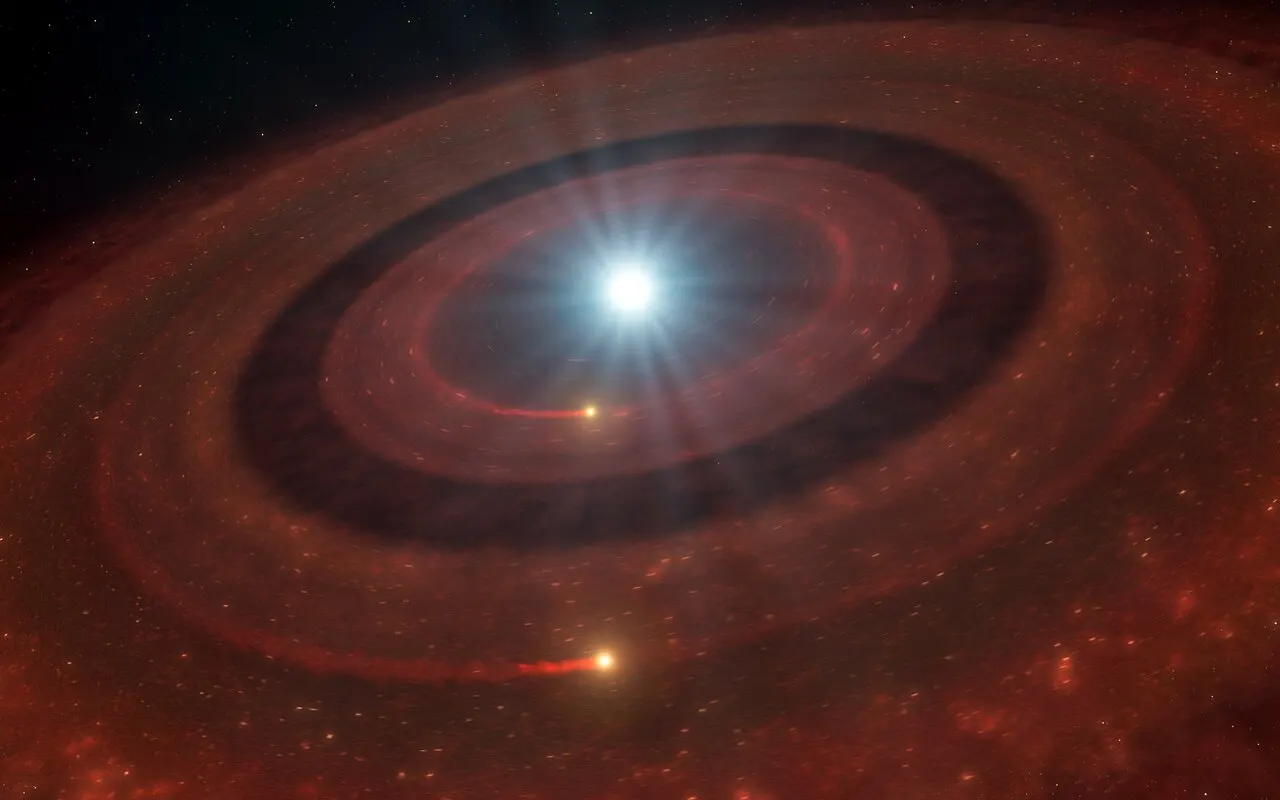
Dead star and planetary bodies: astronomers spot unique disc of debris that foretells Solar System’s future
Astronomers using the European Southern Observatory’s Very Large Telescope (ESO’s VLT) have found a rare disc of debris around a dead star that provides a glimpse of what may happen to our Solar System.
astrophysicsthe solar systemNSF–DOE Vera C. Rubin Observatory Reveals Its First Dwarf Planet Candidate in Our Solar System
In the outer reaches of our Solar System, beyond the orbit of Pluto, NSF–DOE Vera C. Rubin Observatory has spotted 2026 ED138 — a large, bright trans-Neptunian object that scientists have identified as a dwarf planet candidate.
astrophysicsthe solar system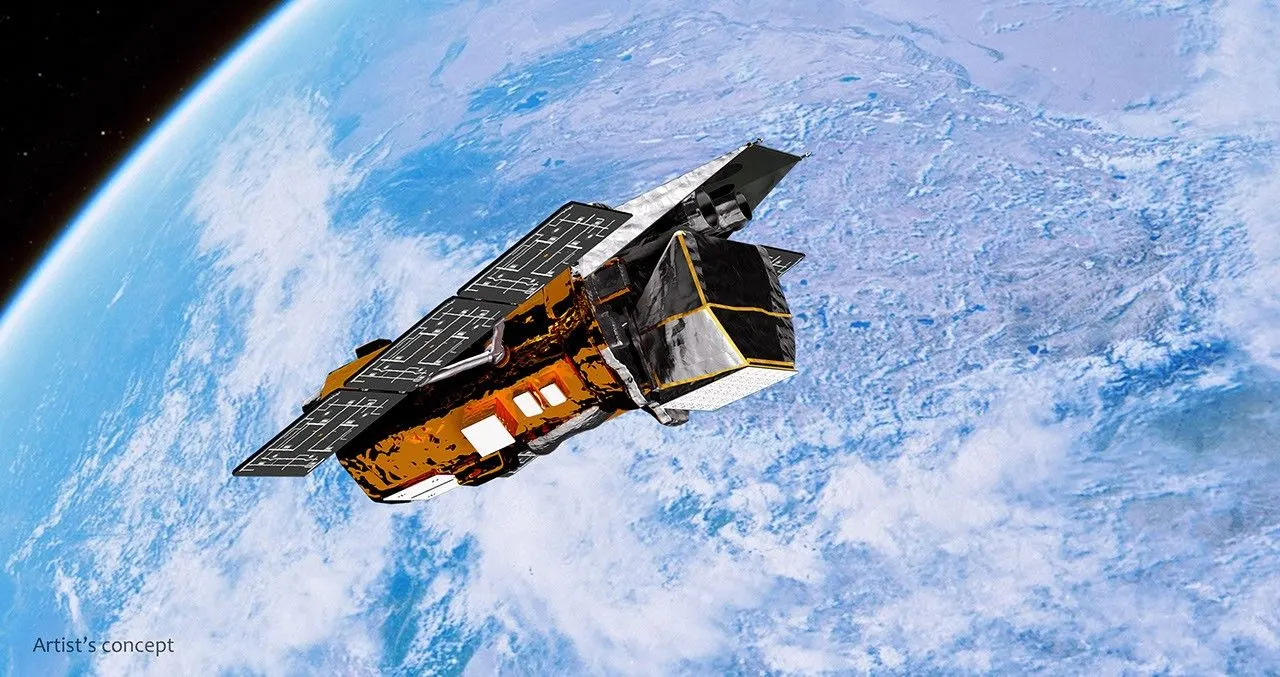
NASA’s Swift Mission Ends, Leaves Behind Scientific Bonanza
NASA’s Neil Gehrels Swift Observatory has ended its science mission now that the spacecraft is orbiting less than 171 miles (275 kilometers) above Earth’s surface. The greater atmospheric drag at this height prevents the satellite’s telescopes from steadily gazing at their astronomical targets.
gamma-ray burstsgoddard space flight centerstarsthe universeultraviolet lightvisible or optical lightNASA’s Hubble Charts Path for Roman with Gravitational Lenses
This observation is one of many gravitational lensing images taken by Hubble in preparation for science with the new Nancy Grace Roman Space Telescope.
astrophysicsastrophysics divisiongoddard space flight centergravitational lensinghubble space telescopethe universeSeagull Nebula Through the Eyes of NSF–DOE Vera C. Rubin Observatory Commissioning Camera
Two years ago this month, NSF–DOE Vera C. Rubin Observatory’s engineering test camera, named the LSST Commissioning Camera (ComCam), began capturing images of the sky to prepare for the revolutionary Legacy Survey of Space and Time, which began earlier this year.
astrophysicsnebulae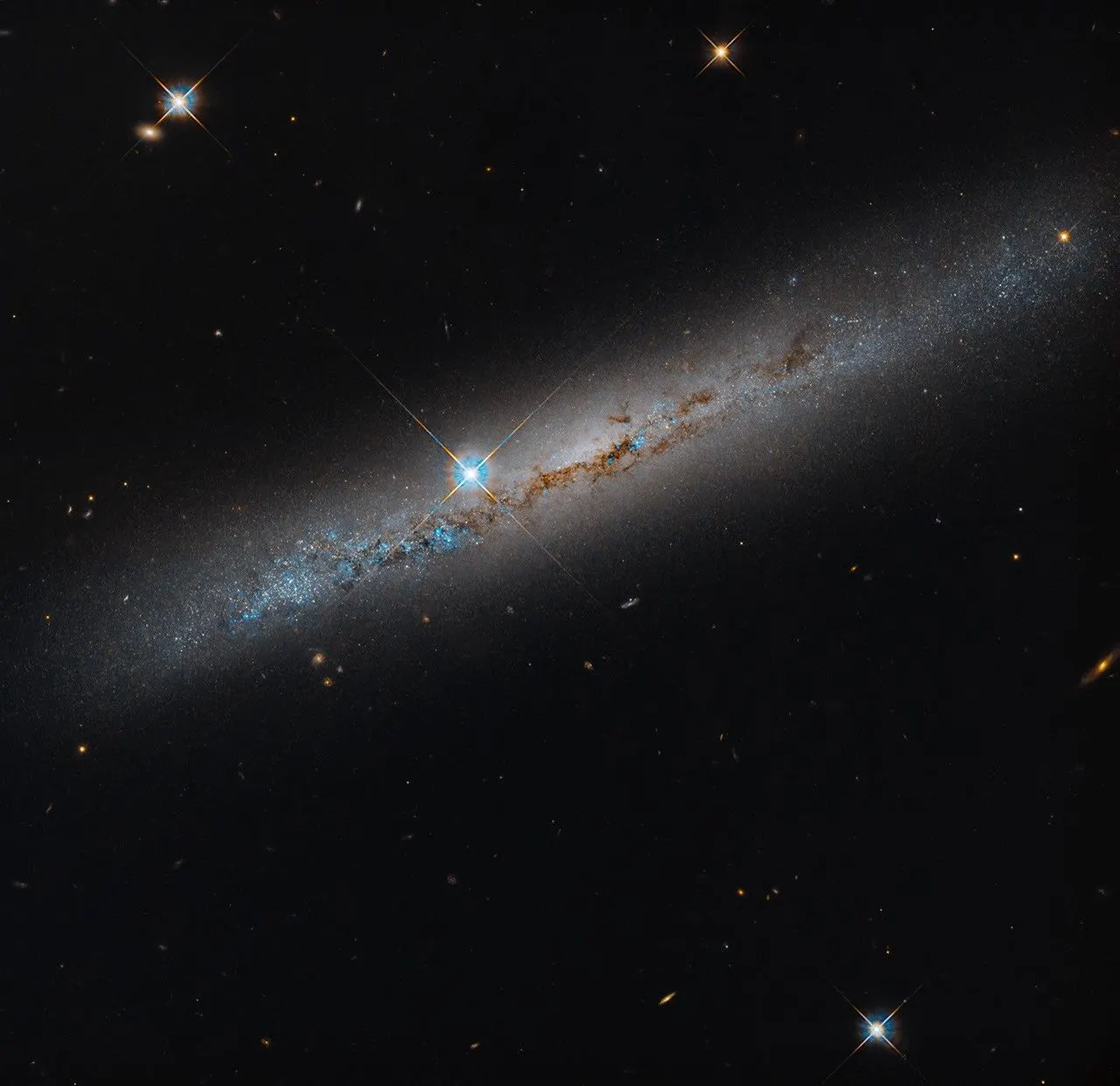
NASA’s Hubble Spies Spiral’s Edge
This NASA Hubble Space Telescope image features the edge-on, intermediate spiral galaxy NGC 1827, located roughly 37 million light-years away in the constellation Columba, the Dove.
astrophysicsastrophysics divisiongalaxiesgoddard space flight centerhubble space telescopespiral galaxiesNew Chip-Based ‘Tape Measure’ for Light Could Revolutionize Mobile Timekeeping and Enhance National Security
The new device could help provide vital navigation signals when GPS is either unavailable or has been jammed.
physicsNASA to Help Unlock Mysteries of Mars’ Moons in Upcoming Mission
NASA is playing an important role in JAXA’s (Japan Aerospace Exploration Agency) MMX (Martian Moons eXploration) mission, to advance our understanding of Mars’ moons and build on the agency’s long history of exploring the Red Planet.
marsmars exploration programmars moonsphobosplanetary science divisionscience mission directorate