Frontier science, explained
Space, physics and materials news from NASA, NIST, ESA/Hubble, ESA/Webb, ESO, NOIRLab and ALMA.
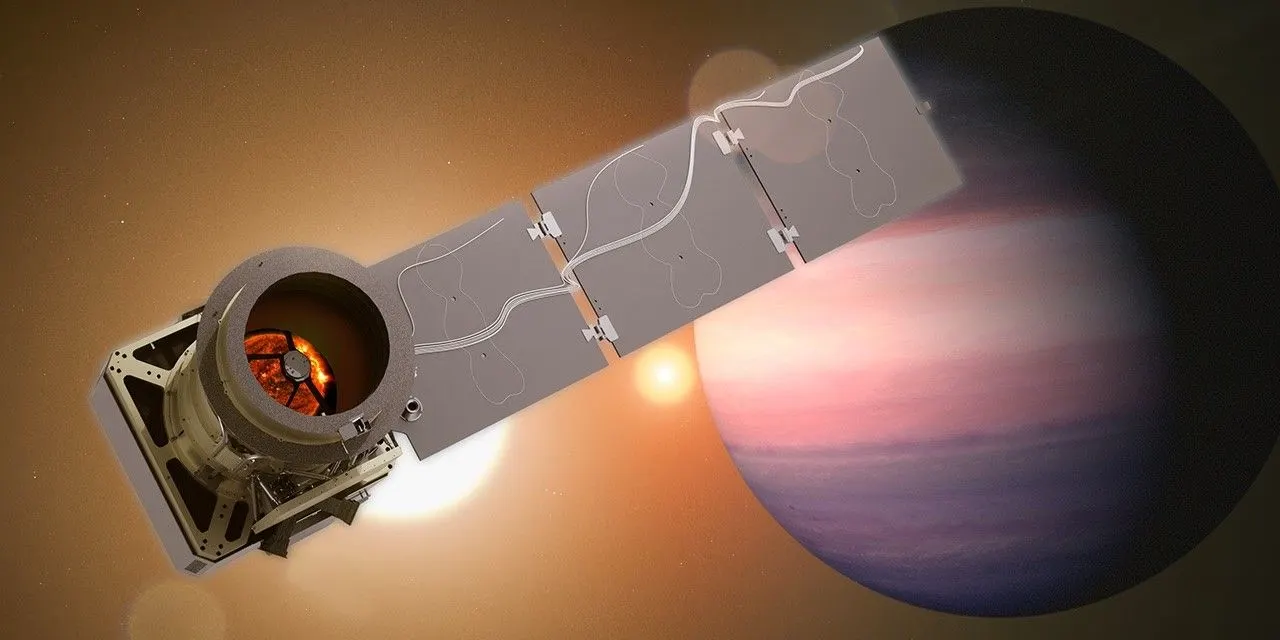
NASA’s Pandora Mission Begins Study of Exoplanets, Host Stars
Pandora, NASA’s newest exoplanet mission and the first satellite to launch through the agency’s Astrophysics Pioneers program, is now making unique observations of worlds beyond our solar system and the stars they orbit.
astrophysicsexoplanet atmosphereexoplanet sciencegoddard space flight centerpandora missionthe universe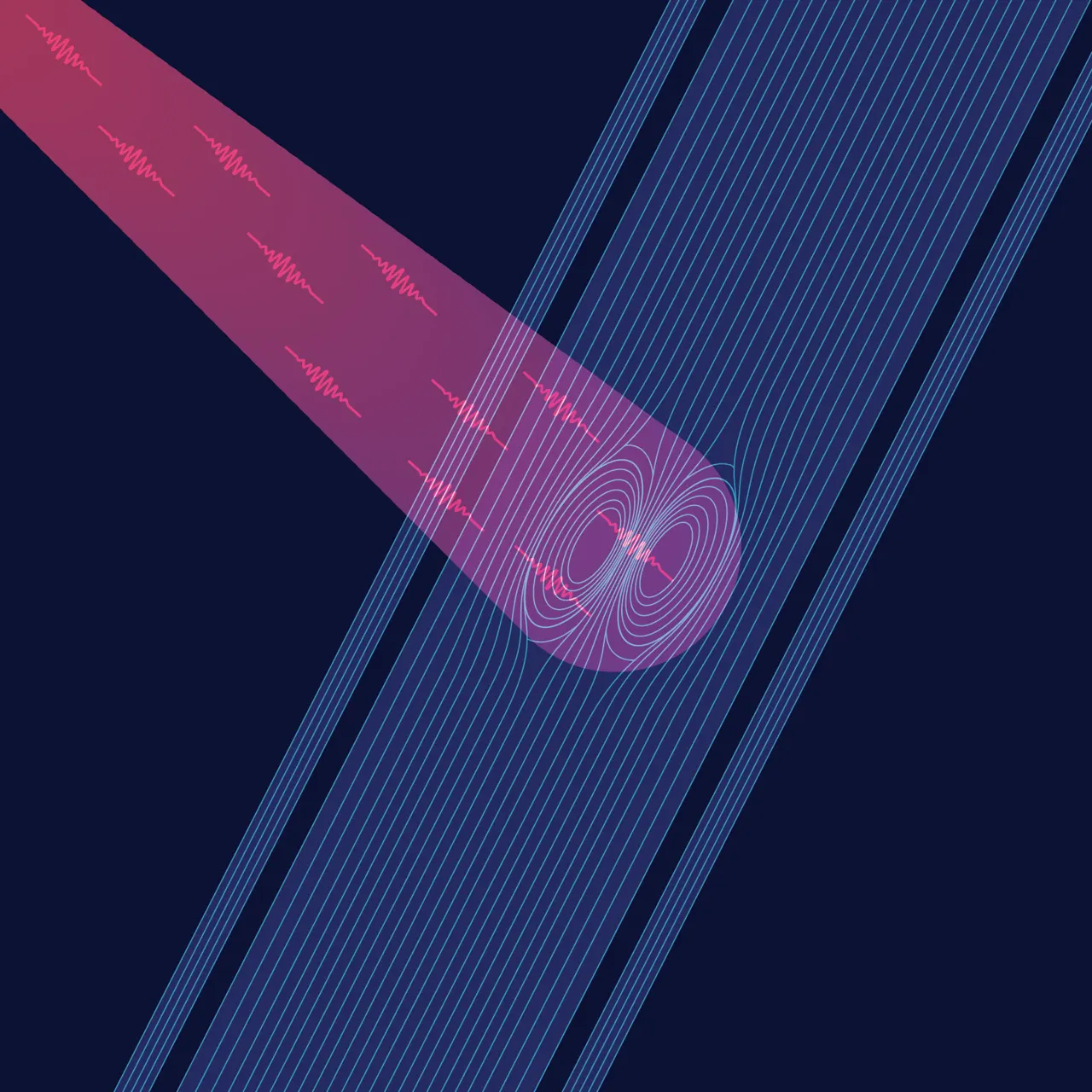
NIST Researchers Supersize Quantum Technology to Help Detect Faint Photons
Our everyday life is flooded with photons, the quantum building blocks of light.
physics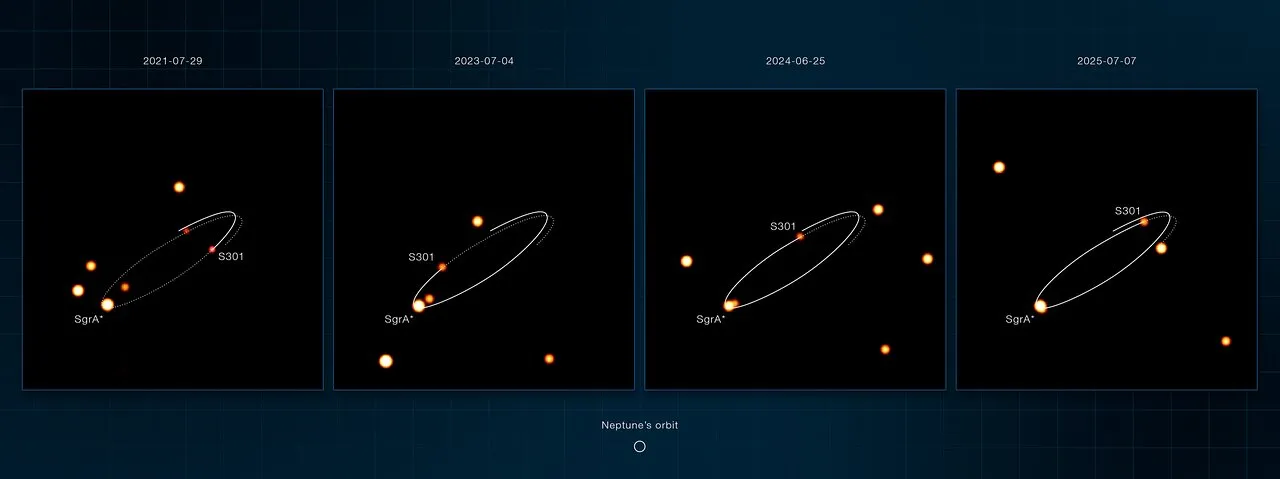
Milky Way’s fastest star orbits our supermassive black hole so closely it feels its spin
Astronomers have discovered the fastest known star in our galaxy, the Milky Way, orbiting the black hole at its centre.
astrophysicsblack holesHubble solves merger mystery from Milky Way’s early years
Our home galaxy, the Milky Way, grew to its current size in part by consuming smaller galaxies. Now, new data from the NASA/ESA Hubble Space Telescope show definitive evidence of a dwarf galaxy merging with the young Milky Way galaxy in the earliest phases of its evolution.
astrophysicsgalaxies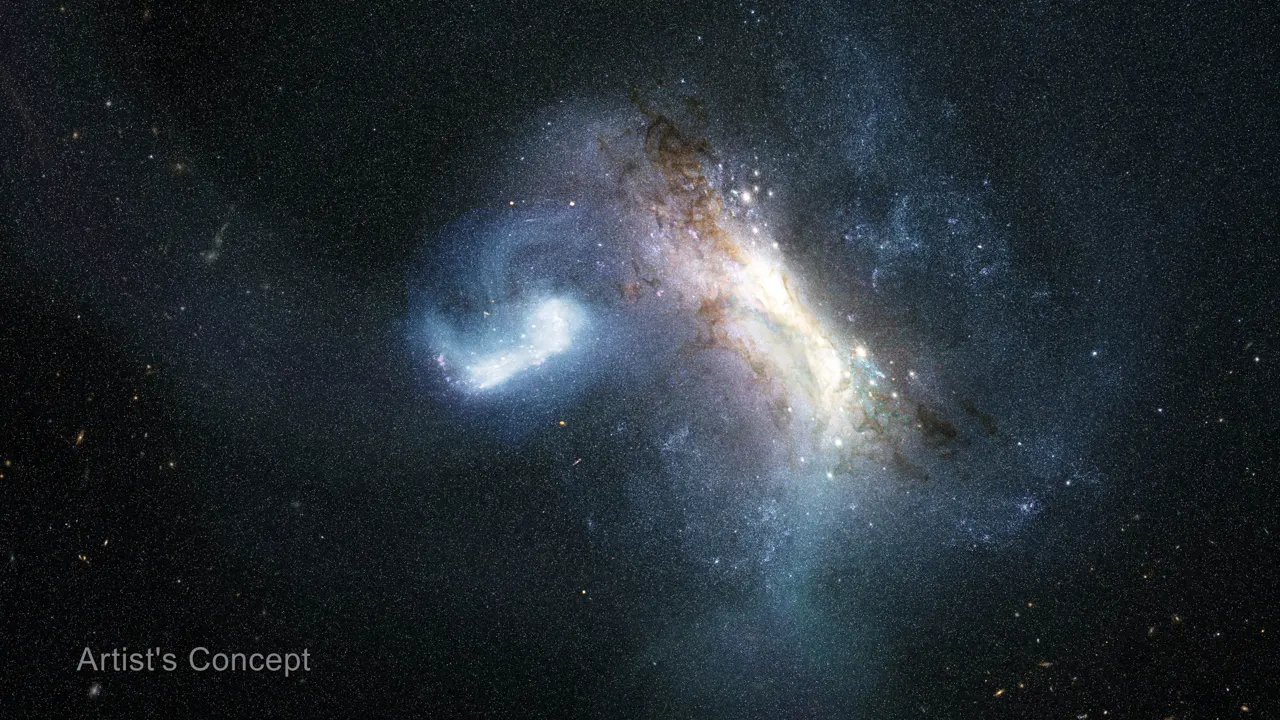
Hubble Solves Merger Mystery From Milky Way’s Early Years
New Hubble data shows definitive evidence of a dwarf galaxy merging with the young Milky Way in the earliest phases of its evolution.
astrophysicsastrophysics divisiongalaxiesglobular clustersgoddard space flight centerhubble space telescopeALMA Captures a Trillion-Mile Stream Feeding the Triple-Star System GW Orionis
ALMA has mapped a roughly one-trillion-mile gas streamer feeding GW Orionis, linking late-stage infall from the surrounding cloud to the triple-star system’s strikingly misaligned planet-forming rings.
astrophysicsstars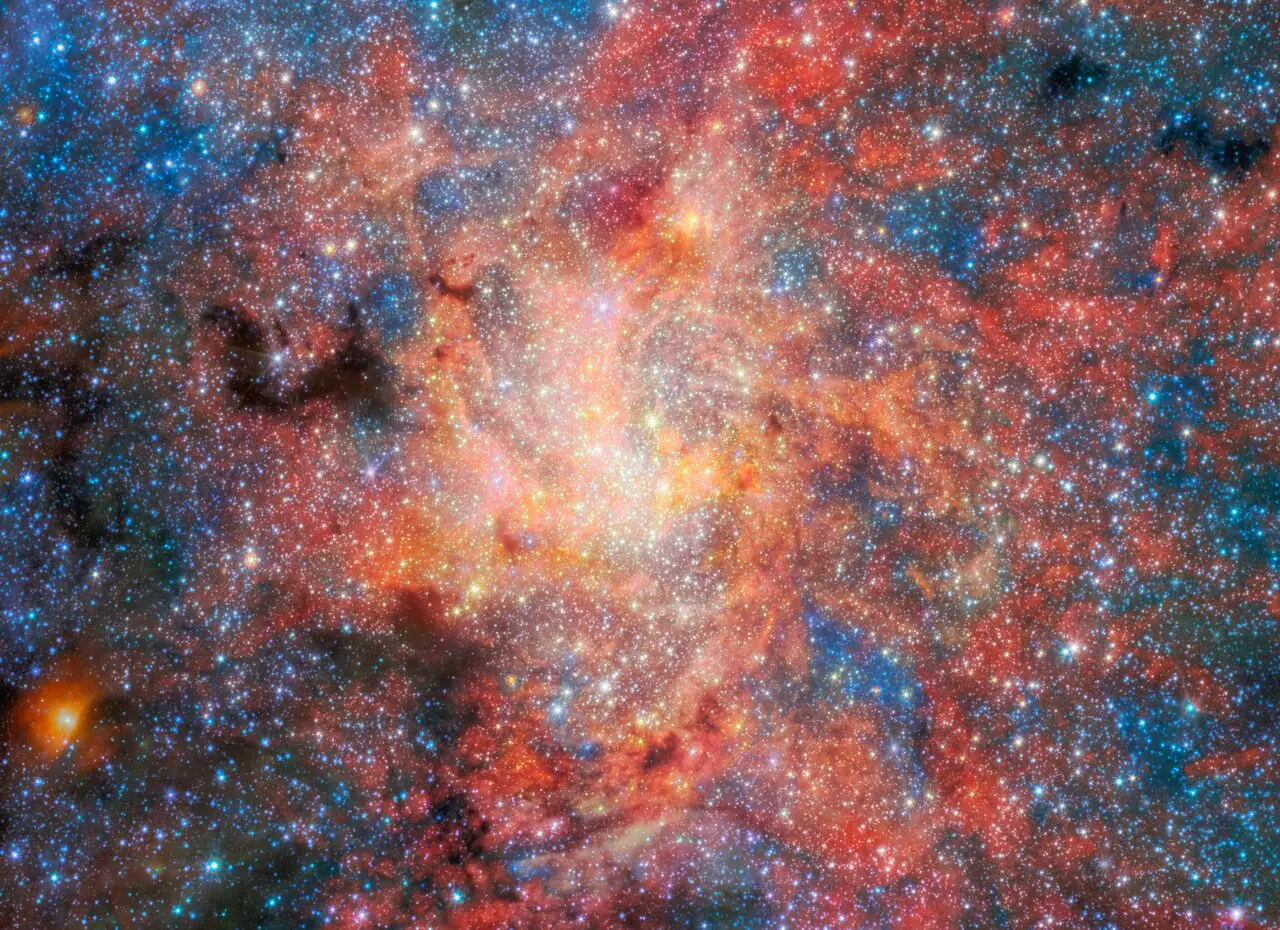
Webb reveals dust and water surviving in the extreme environment around the Milky Way’s central black hole
Using the NASA/ESA/CSA James Webb Space Telescope, an international team of astronomers have discovered that dust and water can form and survive surprisingly close to the supermassive black hole at the centre of our Milky Way galaxy.
astrophysicsblack holes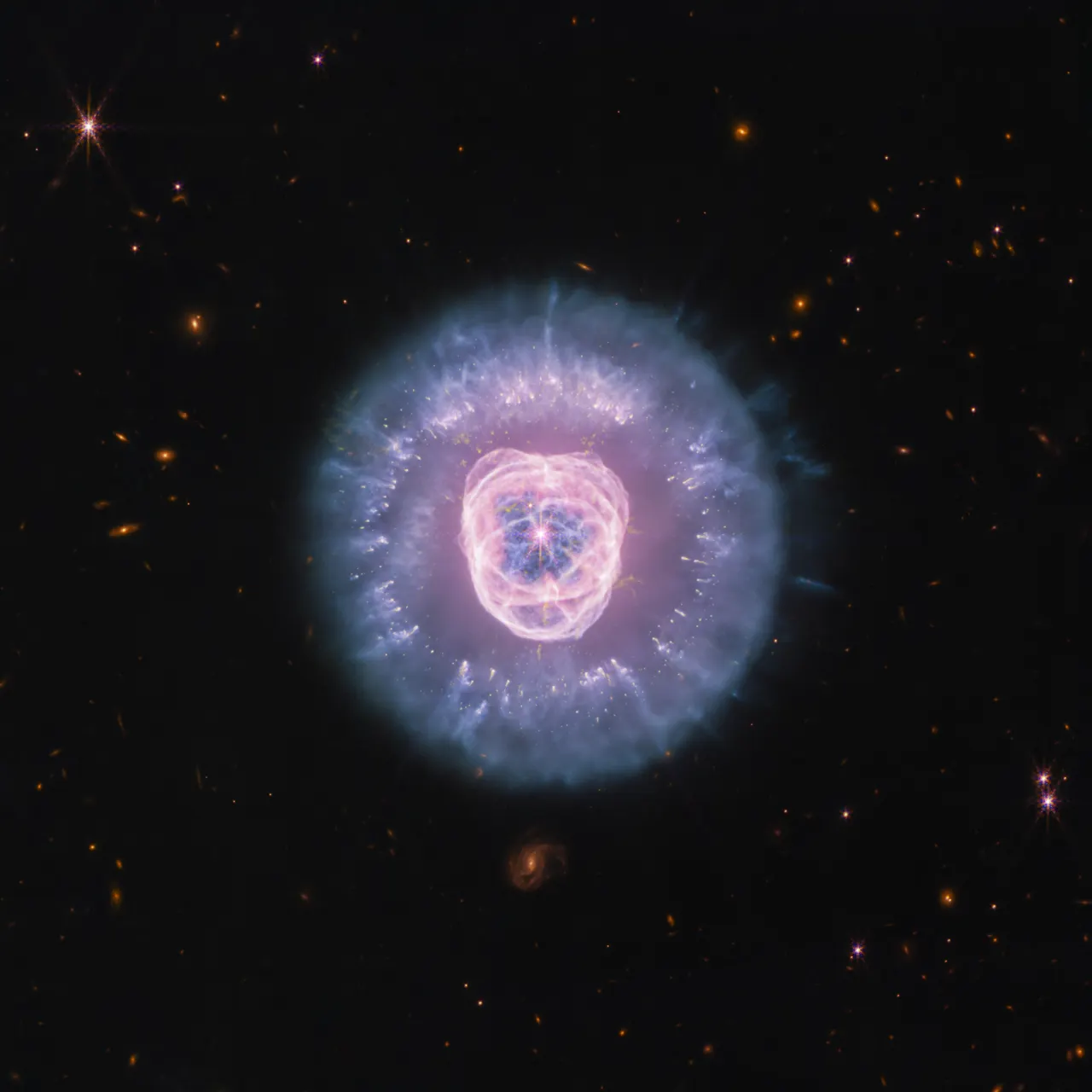
Lion Nebula Roars to Life With NASA’s Webb
Observing across the starry “plains” of space, NASA’s James Webb Space Telescope has taken new images of NGC 2392, nicknamed the Lion Nebula.
astrophysicsgoddard space flight centerplanetary nebulaescience & researchthe universeScientists Release Biggest 2D Map of the Universe
The newest DESI Legacy Imaging Surveys map, 13 years in the making, covers three-quarters of the sky and catalogs nearly four billion objects.
astrophysicsgalaxiesNIST Researchers Correct Common Error Confounding Nanotech Measurements
The scientists offer a practical solution that relies on accounting for measurement errors before testing materials or developing products.
nanotechnologyAstronomers Catch Massive Star’s Death From the First Explosive Moment
A rare cosmic explosion has given astronomers an unprecedented view of a massive star in its final moments, revealing a previously missing link between ordinary supernovae and the most energetic explosions in the Universe.
astrophysicsstars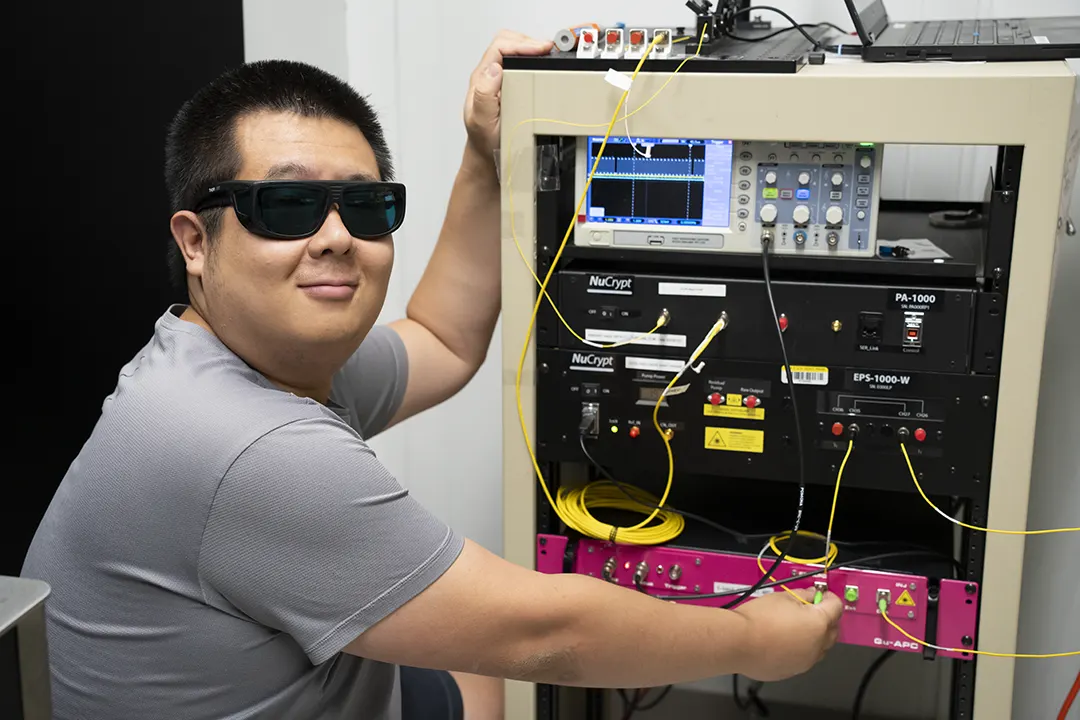
‘Spooky’ Particles Transit DC Suburbs, a Step Toward a Quantum Network
The achievement shows that fragile quantum entanglement can survive even in tough, real-world conditions.
physicsNSF–DOE Rubin Observatory Opens Deep Window on Famous Cosmic Field
A new image from NSF–DOE Vera C. Rubin Observatory offers a spectacularly deep view into a famous region of sky known as the COSMOS field.
astrophysics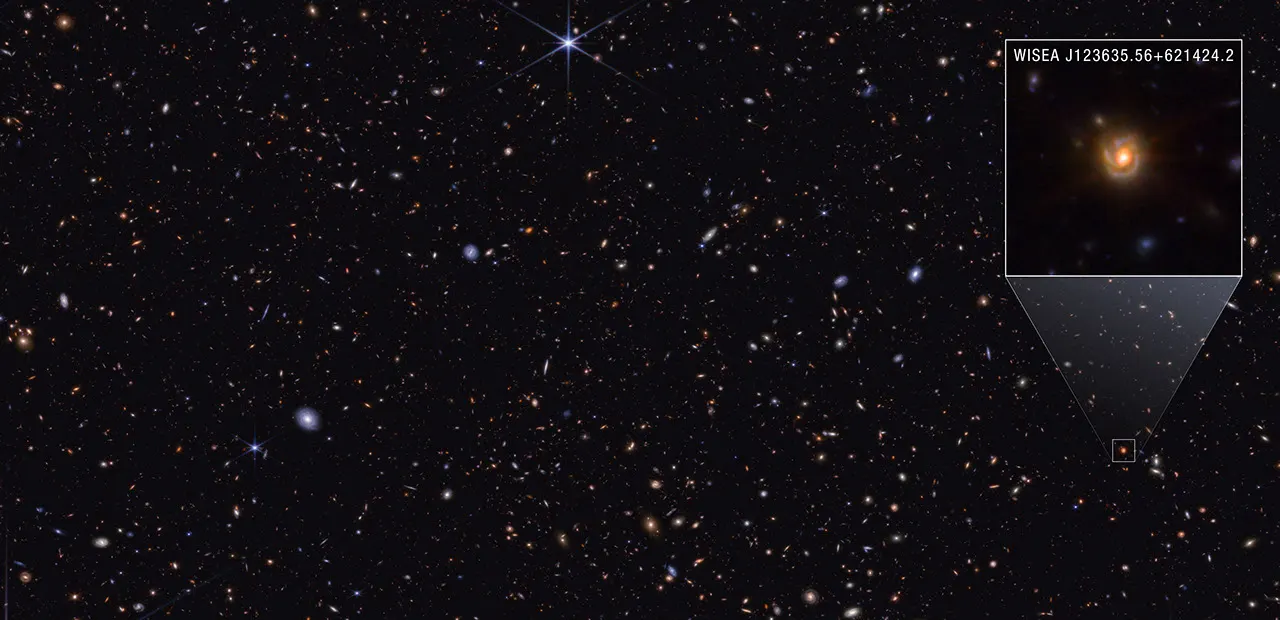
NASA Webb Explores Family Tree of Newly Discovered Distant Objects
Since their discovery by NASA’s James Webb Space Telescope in 2022, little red dots (LRDs) have been the subject of great interest to astronomers. Understanding the nature of these extremely distant, compact red sources has been a puzzling scientific endeavor.
astrophysicsgalaxiesgoddard space flight centerhubble space telescopescience & researchthe universe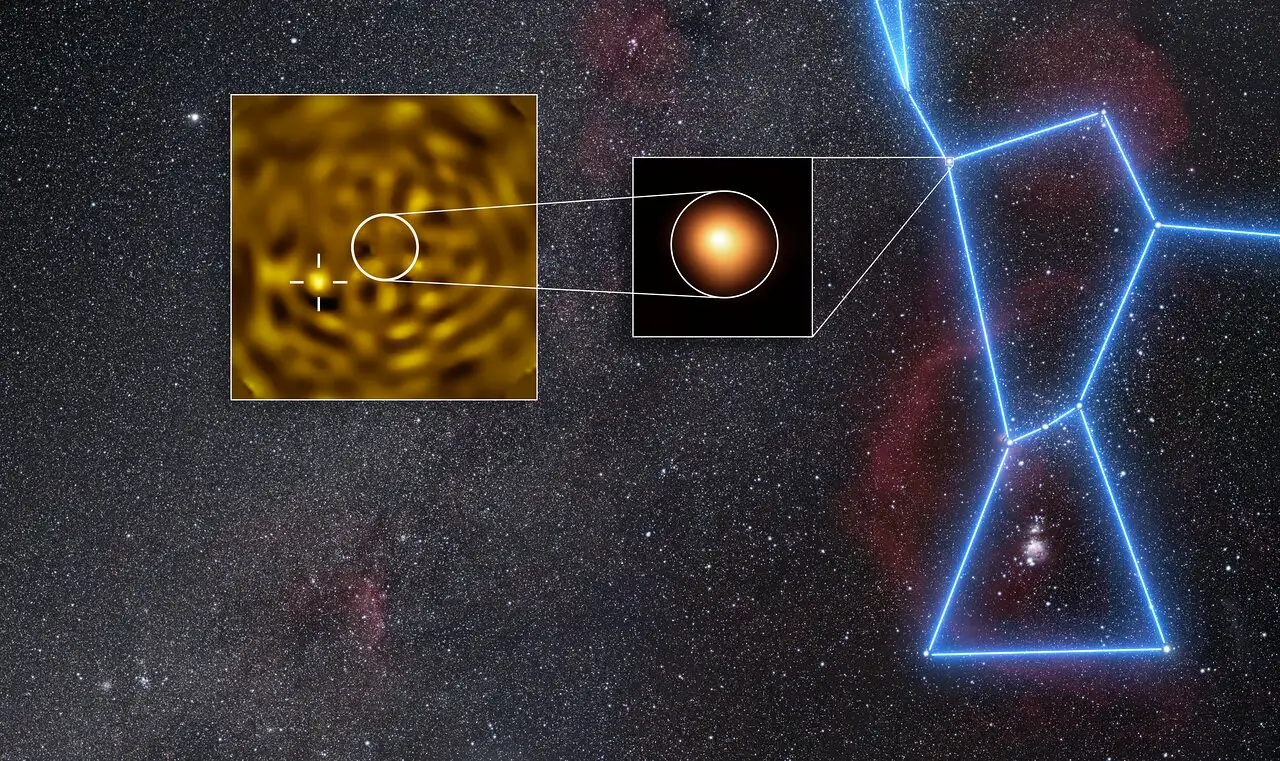
Astronomers find strongest evidence yet that Betelgeuse has a companion
“The conclusion of a century-long quest”
astrophysics