Frontier science, explained
Space, physics and materials news from NASA, NIST, ESA/Hubble, ESA/Webb, ESO, NOIRLab and ALMA.
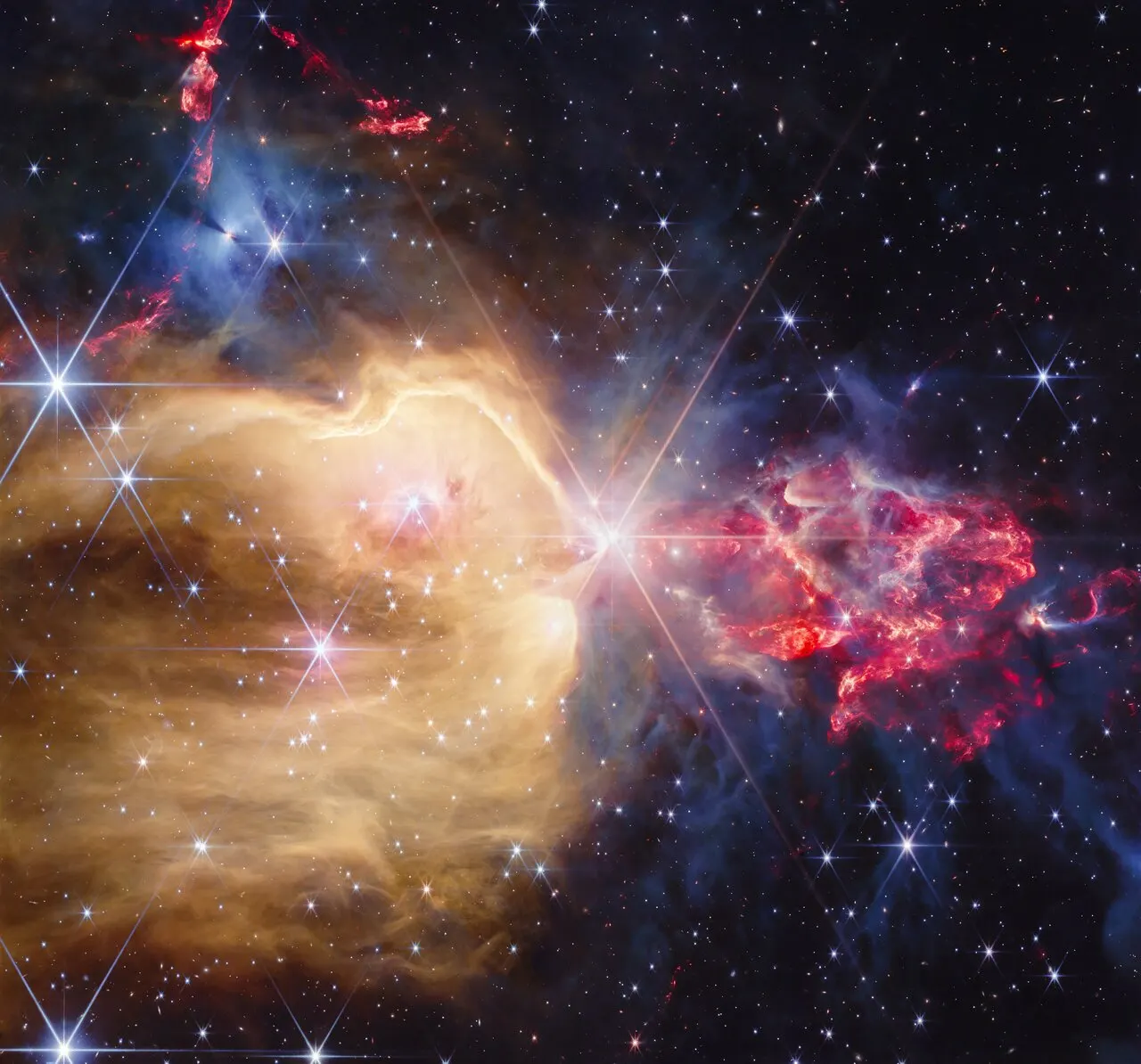
Webb captures commotion from nebula’s stellar jets
A technicolor dreamscape is revealed in this new image from the NASA/ESA/CSA James Webb Space Telescope. It portrays a stellar nursery known as NGC 7129, a nebula that holds numerous protostars and stars within its fields of gas and dust.
astrophysicsnebulae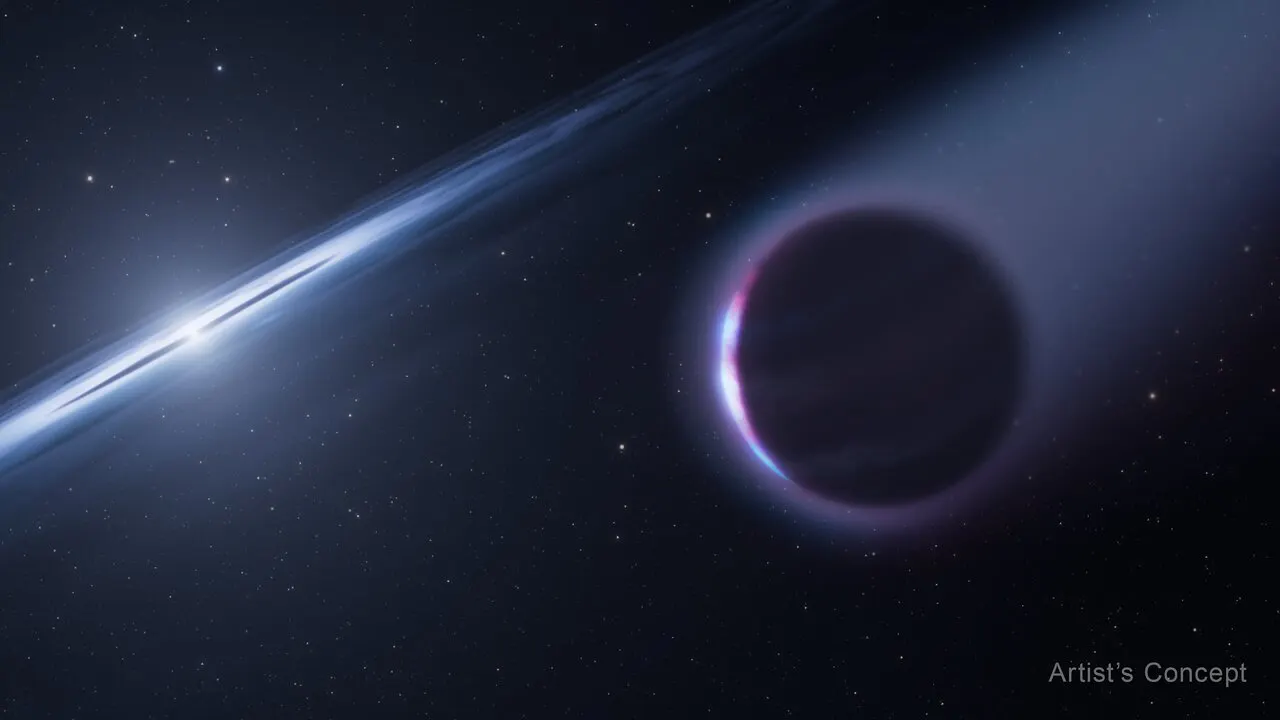
Suspected second-generation planet solves Hubble cold case
For more than a quarter century, unidentified chemical signatures from a white dwarf star have laid dormant in the archive of the NASA/ESA Hubble Space Telescope, until diligent sleuthing by a young astronomer revealed something extraordinary: high amounts of the element niobium, and other unusual chemical abundances, indicating a potential second-generation planet orbiting the white dwarf.
astrophysicsPhysicist Jun Ye Wins Wolf Prize in Physics
The award cites Ye’s achievement in “transformative, widely applicable advances in the control of ultracold atomic systems.”
metrologyphysics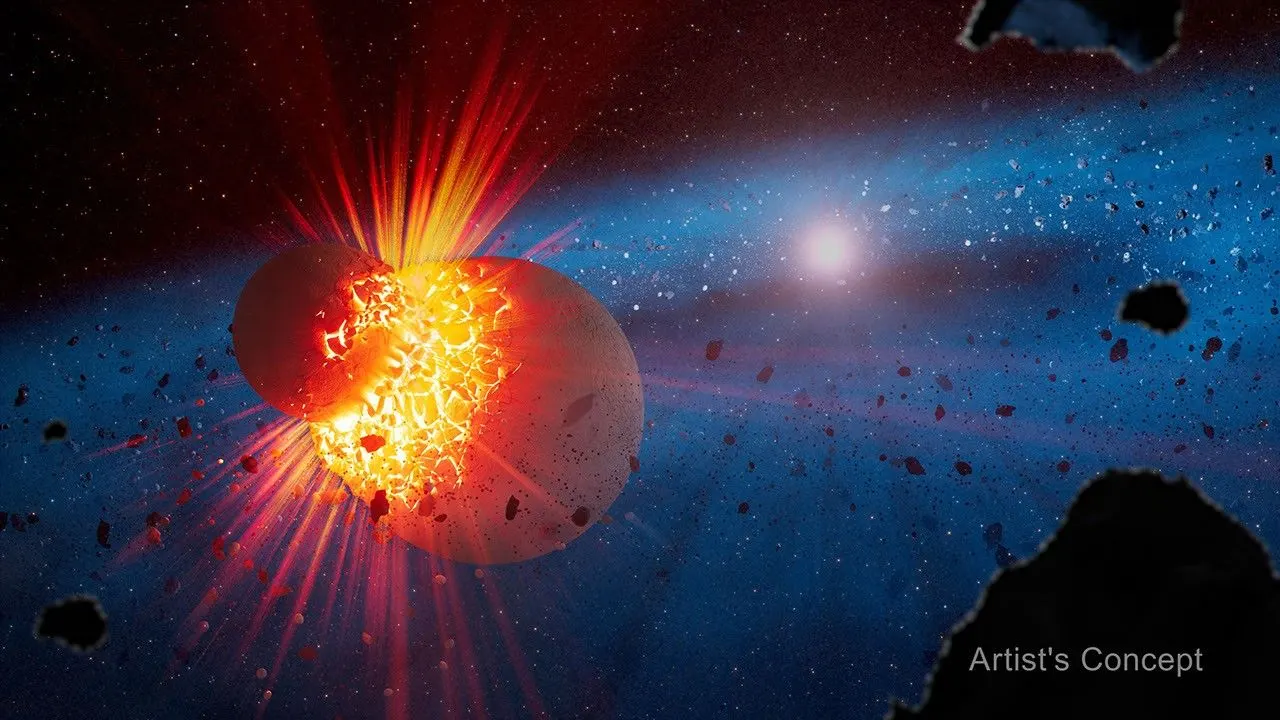
NASA’s Webb Provides Crash Course on Planet-Shattering Collisions
In the early history of our solar system, scientists theorize that a Mars-sized object called Theia smashed into the infant Earth, vaporizing massive amounts of rock and blasting it into space.
astrophysicsastrophysics divisiongoddard space flight centerscience & researchthe universe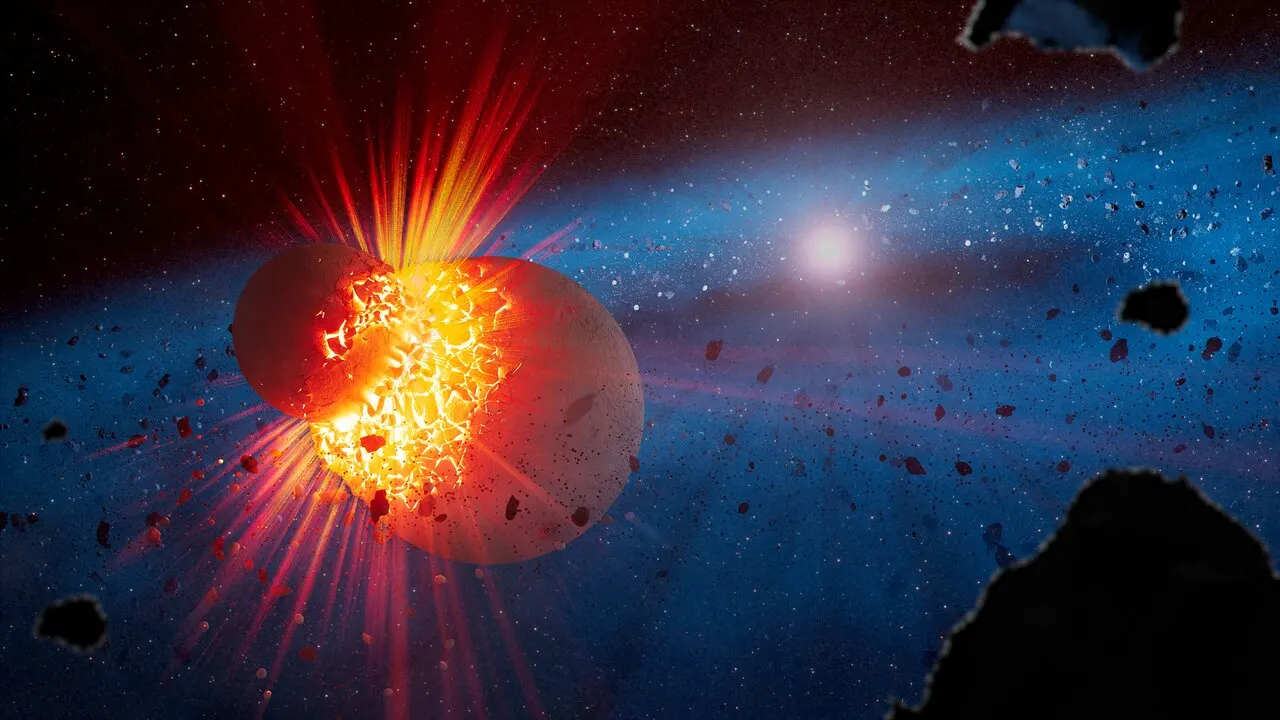
Webb provides crash course on planet-shattering collisions
In the early history of our Solar System, a Mars-sized object called Theia smashed into the infant Earth, vapourising massive amounts of rock and blasting it into space. Some of that material coalesced into the Moon.
astrophysicsWhat’s Up: October 2026 Skywatching Tips from NASA
A Meteor Shower and the Moon Near the Pleiades See Saturn at opposition, catch the Orionid meteor shower, and watch the Moon pass close to the Pleiades, also known as the Seven Sisters. Skywatching Highlights Transcript Saturn takes center stage, a meteor shower lights up the sky, and the Moon visits the Seven Sisters.
earth's moonmeteor showersorionidssaturnskywatchingskywatching tips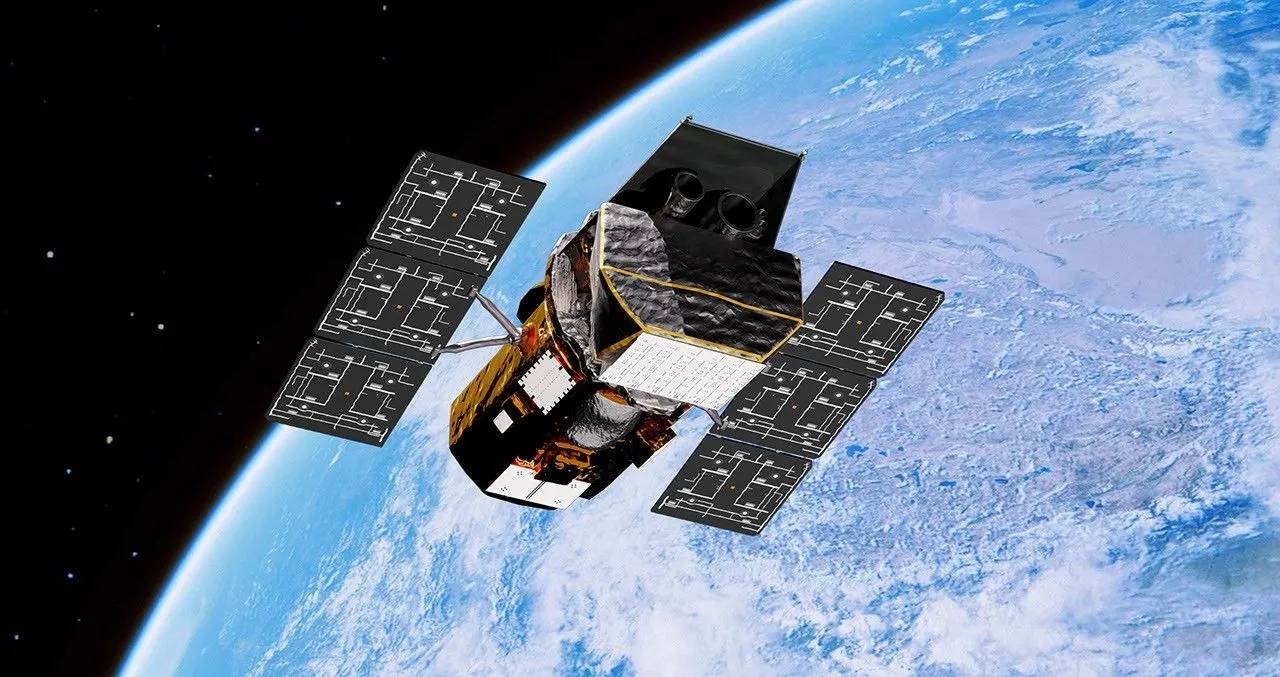
NASA Highlights Lessons Learned From Swift Boost Mission
A commercial mission to boost NASA’s Swift observatory concluded without raising the spacecraft’s orbit, but the agency and industry vendor gained valuable experience that will benefit future in-space servicing programs.
astrophysicsblack holesgalaxiesgamma raysgamma-ray burstsgoddard space flight center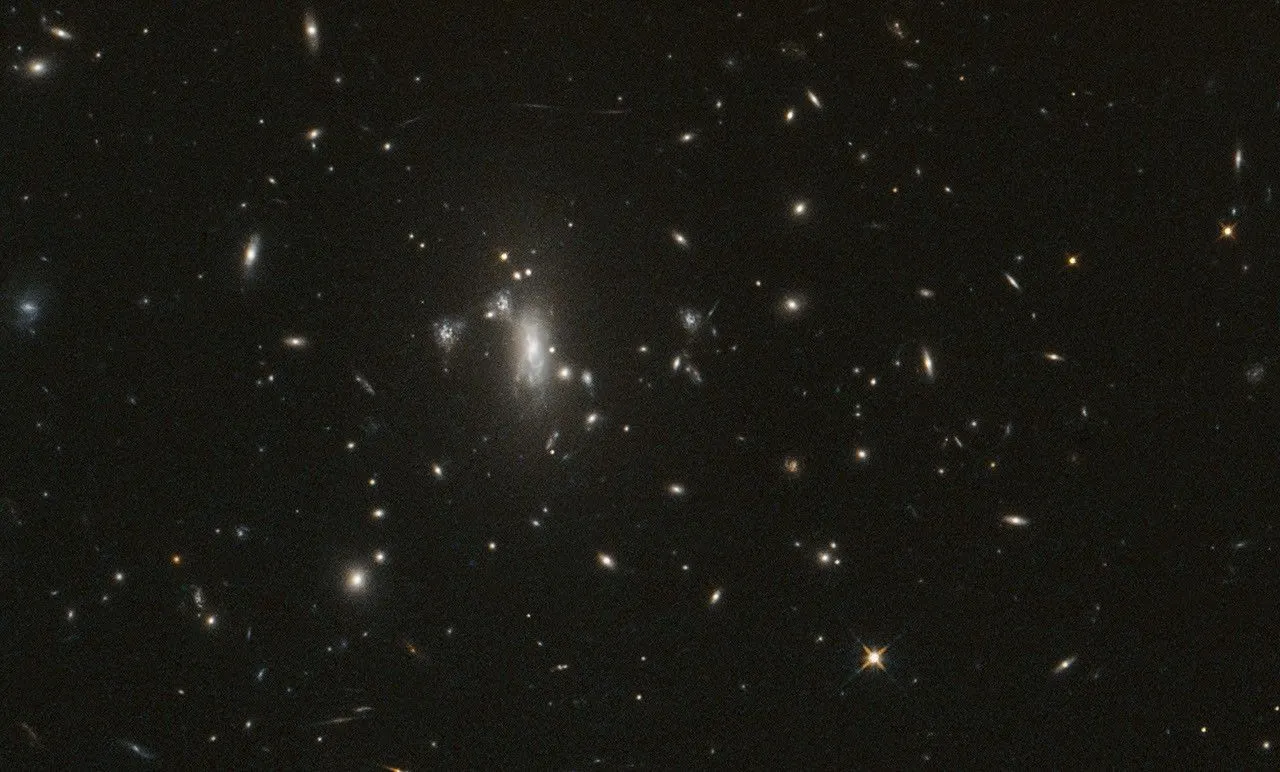
NASA’s Hubble Seeks Lensed Supernova, Marks 200,000 Orbits
NASA’s Hubble Space Telescope completed its 200,000th orbit around Earth on Sept. 19, marking another new milestone for an observatory that continues to transform our understanding of the universe.
astrophysicsastrophysics divisiongalaxiesgoddard space flight centerhubble space telescopethe universe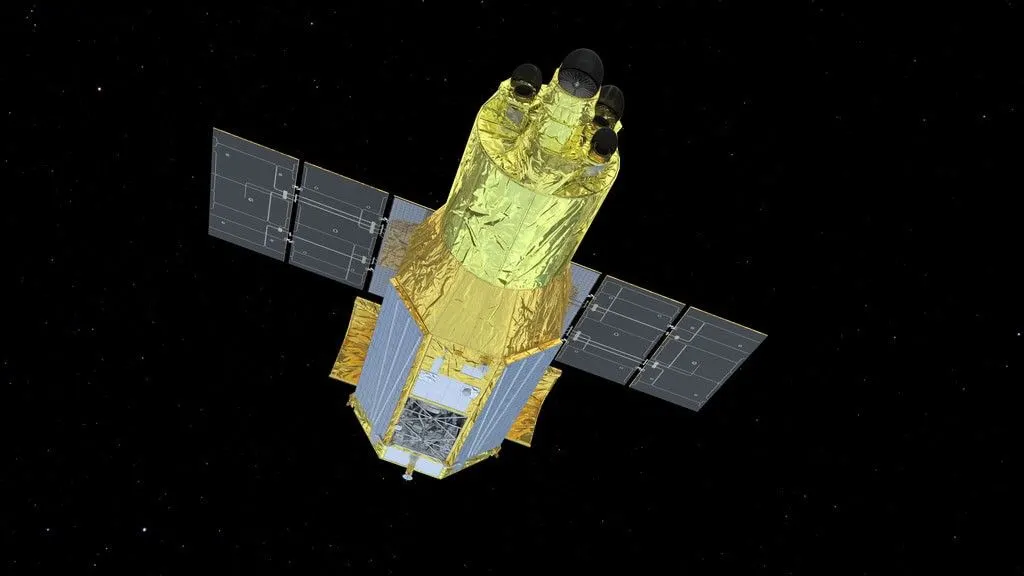
NASA-JAXA XRISM Mission Sees Pulsar Gathering Companion’s ‘Wind’
Using data from the Japan-led XRISM (X-ray Imaging and Spectroscopy Mission) observatory, astronomers have directly observed a giant star’s outflow, called a stellar wind, being captured by its compact companion and providing the power source for strong X-ray flares.
astrophysicselectromagnetic spectrumgoddard space flight centerneutron starspulsarsstars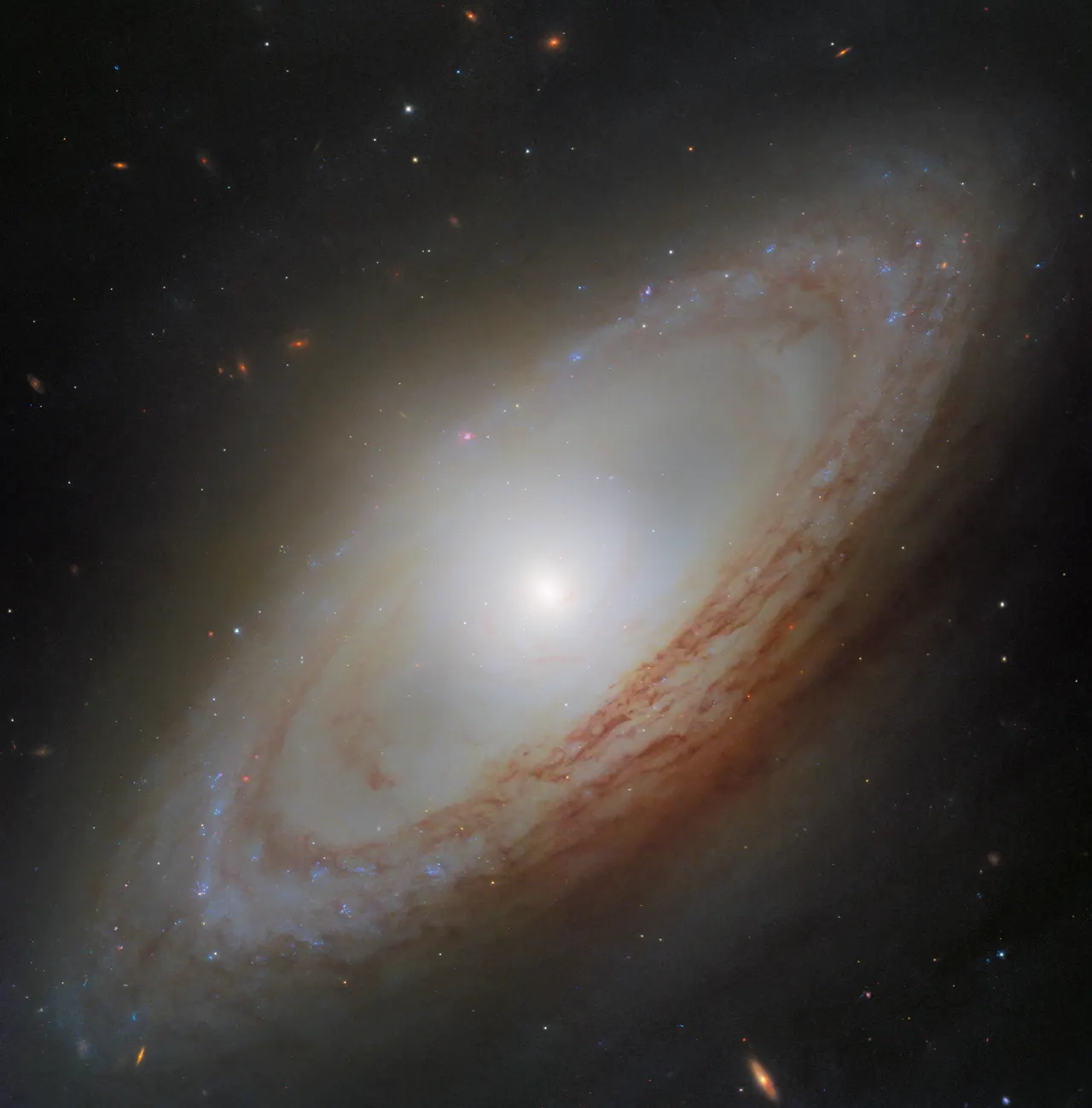
NASA’s Hubble Spots an Out-of-Sync Galaxy
Though the spiral galaxy in this new image from the NASA/ESA Hubble Space Telescope seems serene, it hides a chaotic secret. This galaxy is NGC 4698, and it lies about 55 million light-years away in the constellation Virgo.
astrophysicsastrophysics divisiongalaxiesgoddard space flight centerhubble space telescopespiral galaxies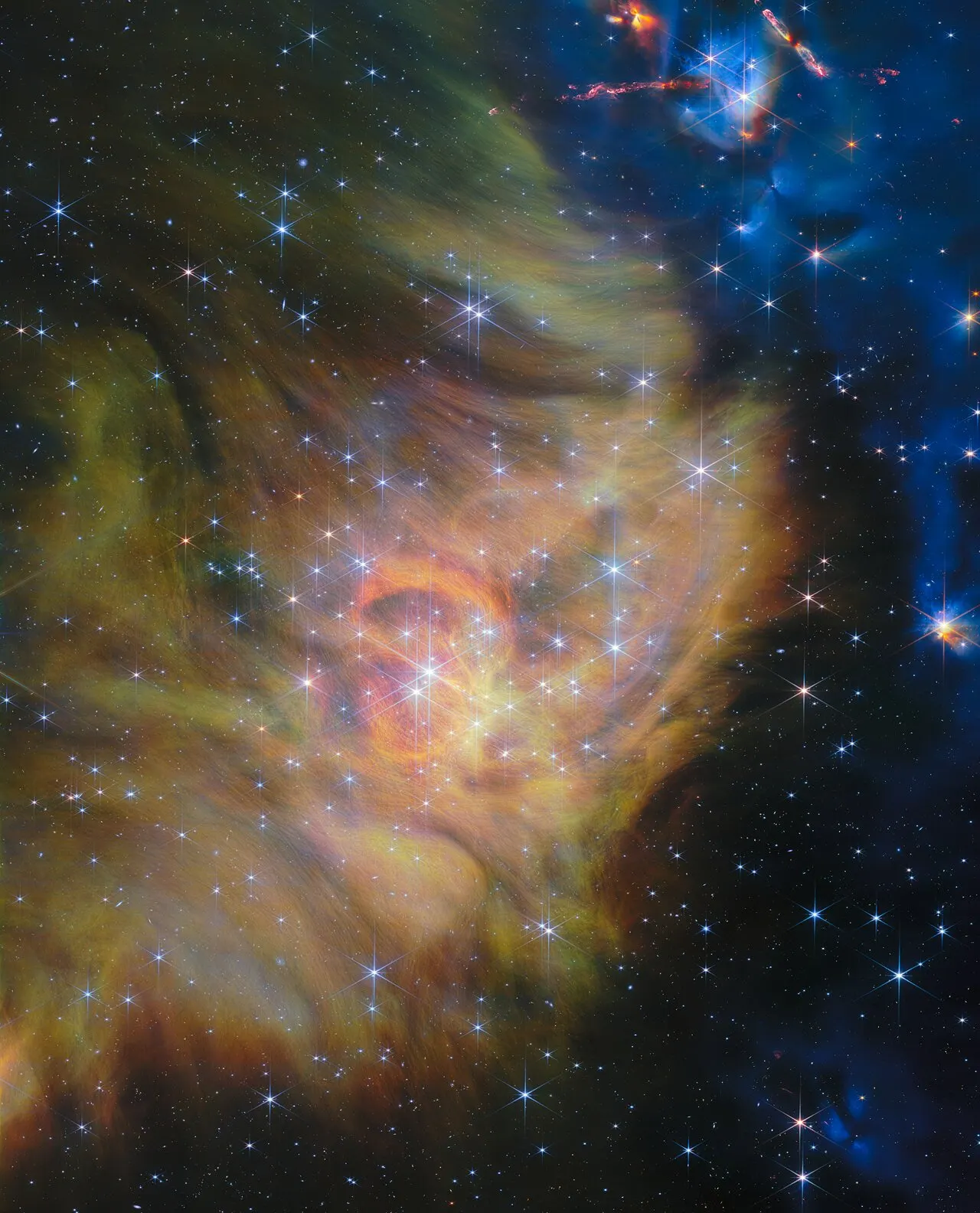
Webb reveals stunning panorama of star formation
This starry view of the nearby star-forming region IC 348 is one of the largest images from the NASA/ESA/CSA James Webb Space Telescope released to the public so far. Using Webb, astronomers searched IC 348 for brown dwarfs, which are less massive than the smallest stars.
astrophysics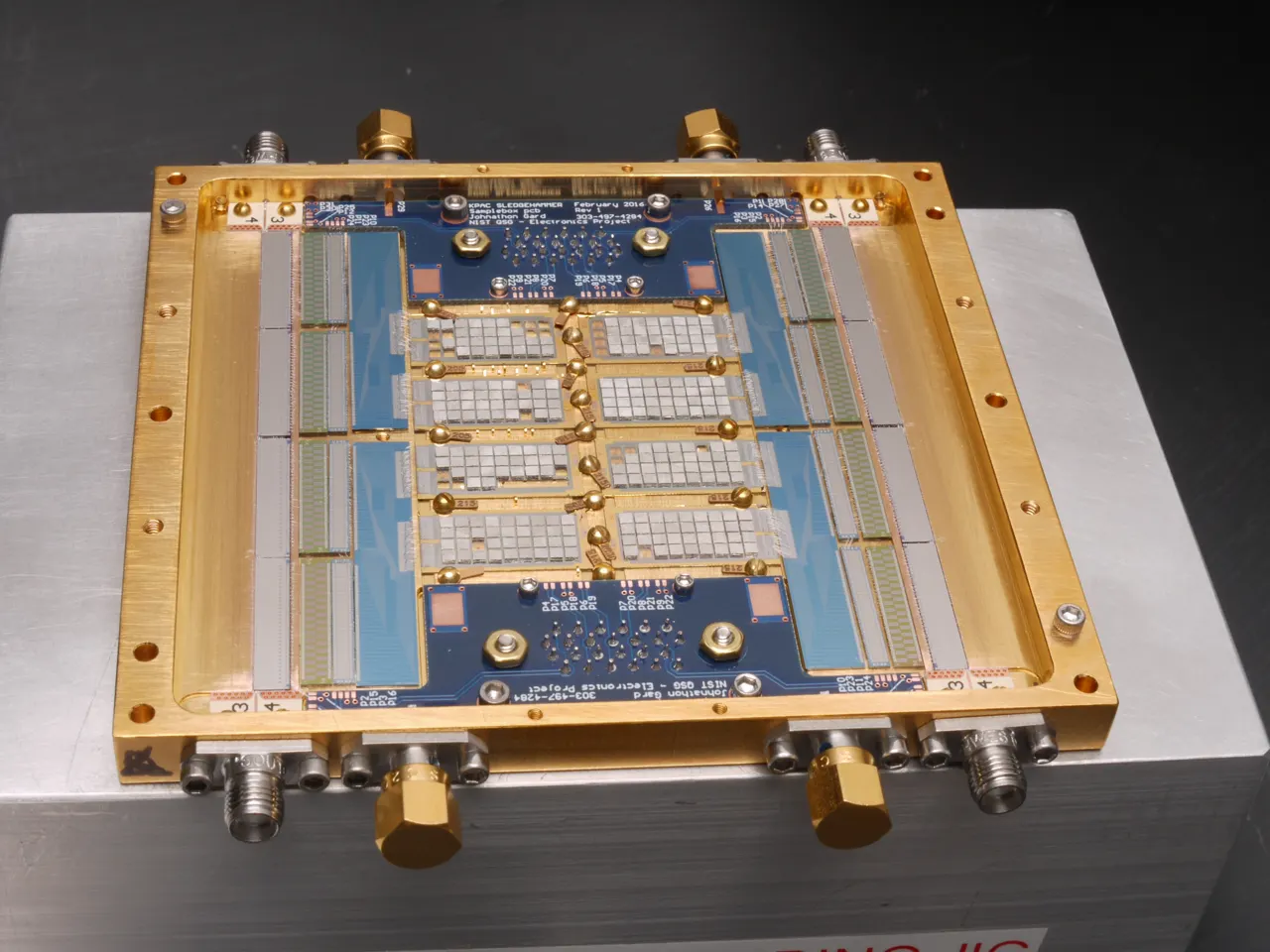
NIST-Developed Quantum Sensors Improve Nuclear Monitoring
New X-ray measurements will allow scientists to more accurately monitor nuclear material at power plants and weapons facilities.
physics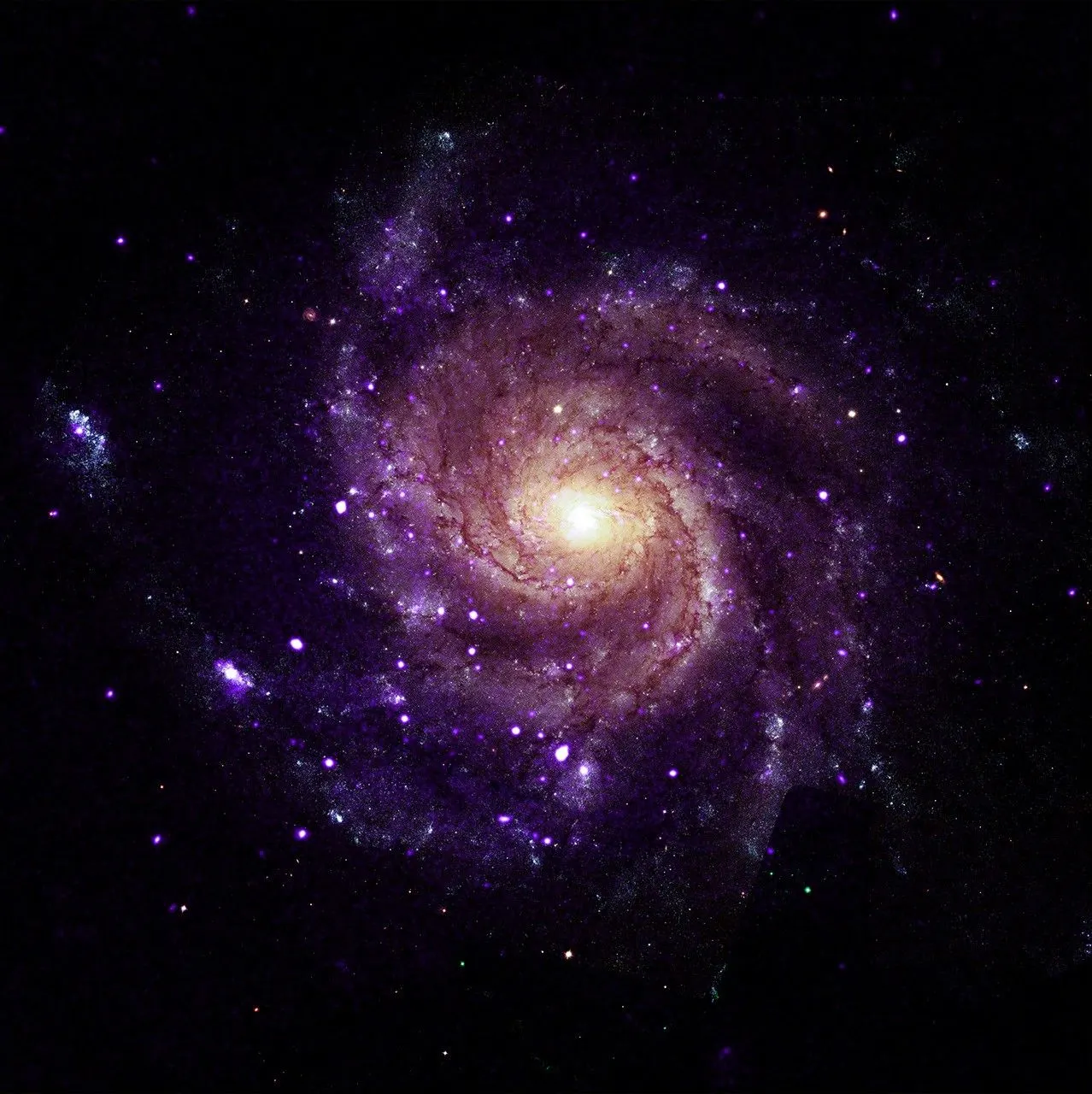
NASA’s Chandra Unveils Mysterious X-Ray Objects
Using NASA’s Chandra X-ray Observatory, scientists have discovered a new class of objects behaving unlike any they have seen before. Astronomers suggest these newly spotted objects in other galaxies may help solve not one, but two long-standing questions in astrophysics.
astrophysicschandra x-ray observatorygalaxiesmarshall astrophysicsmarshall space flight centerALMA Watches a Massive Binary Assemble in Real Time
Using the Atacama Large Millimeter/submillimeter Array (ALMA), astronomers have captured one of the most detailed three-dimensional views yet of a massive binary star system while it is still being born.
astrophysicsstars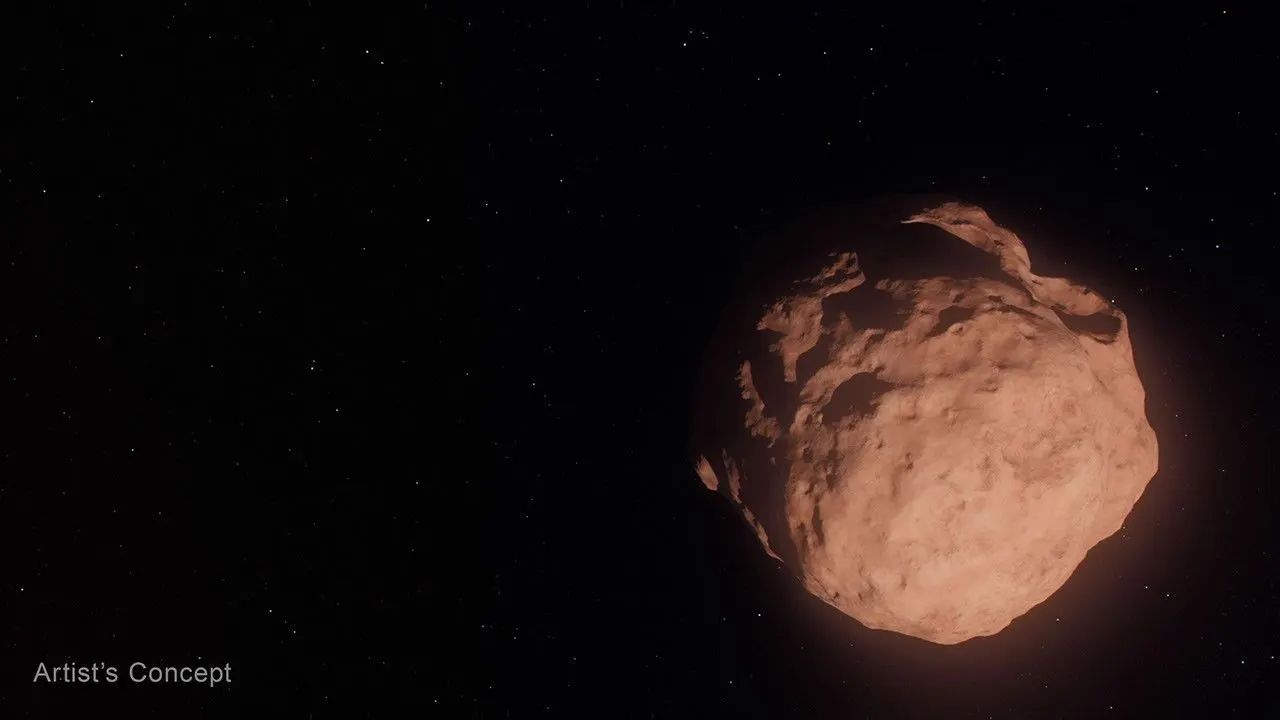
NASA’s Hubble, Webb Find Far-out Solar System Objects ‘Remember’ Past
For the first time, scientists used the joint power of NASA’s Hubble and James Webb Space Telescopes to study some of the most far-flung bodies in our solar system, Trans-Neptunian Objects (TNOs). Some of these are the smallest and faintest ever directly seen.
astrophysicsastrophysics divisiongoddard space flight centerhubble space telescopethe solar system