Frontier science, explained
Space, physics and materials news from NASA, NIST, ESA/Hubble, ESA/Webb, ESO, NOIRLab and ALMA.
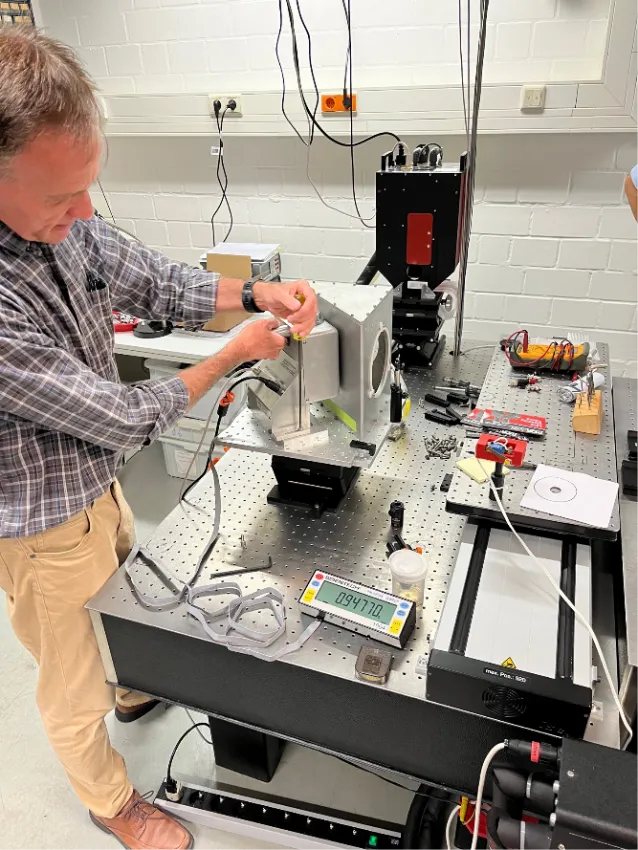
A first-ever comparison between National Metrology Institutes in the kW-power regime
NIST's Sources and Detectors group compared its portable Radiation Pressure Power Meter against Germany's PTB standard, the first comparison between national metrology institutes in the kilowatt laser-power range.
metrology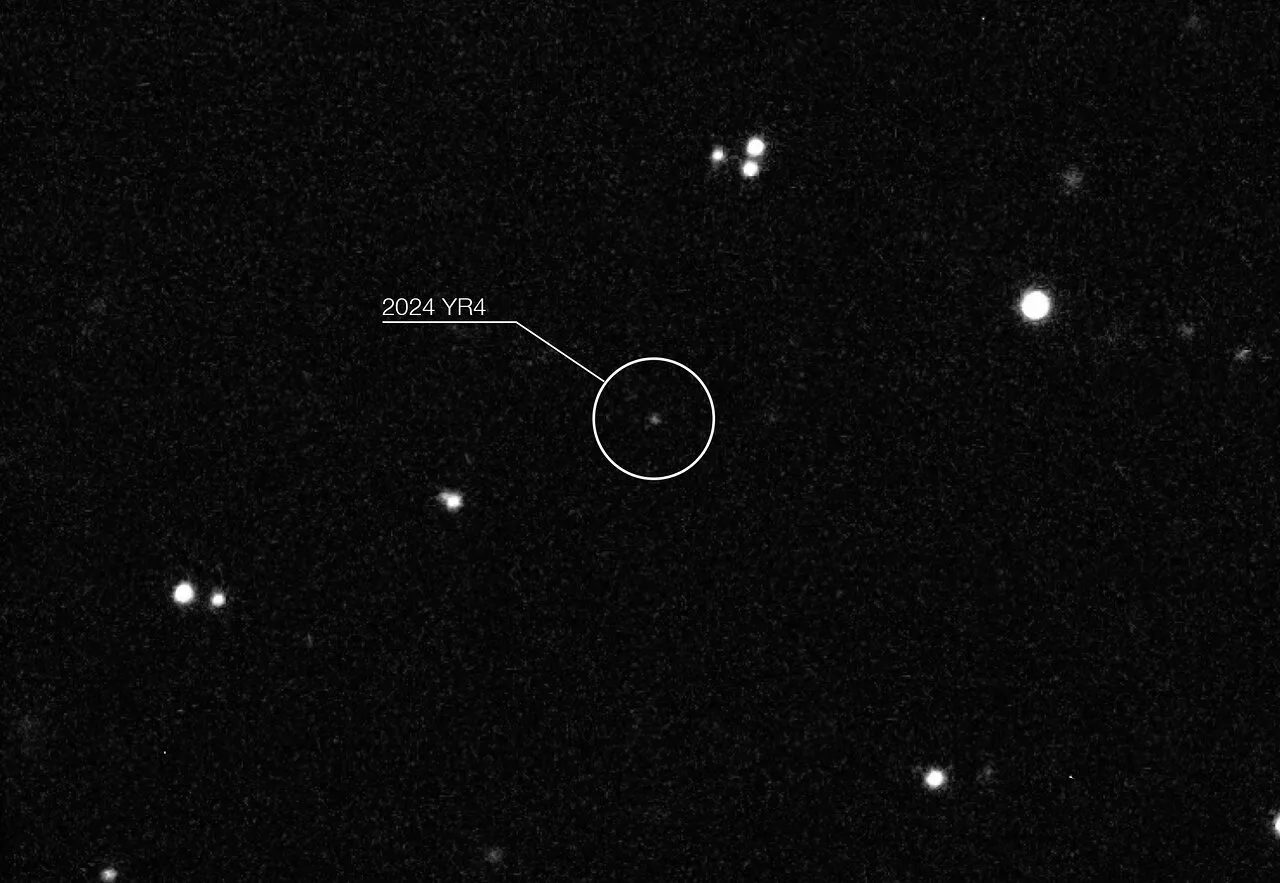
ESO observations help almost fully rule out 2024 YR4 asteroid impact
New observations of 2024 YR4 conducted with the European Southern Observatory’s Very Large Telescope (ESO’s VLT) and facilities around the world have all but ruled out an impact of the asteroid with our planet.
astrophysicsthe solar system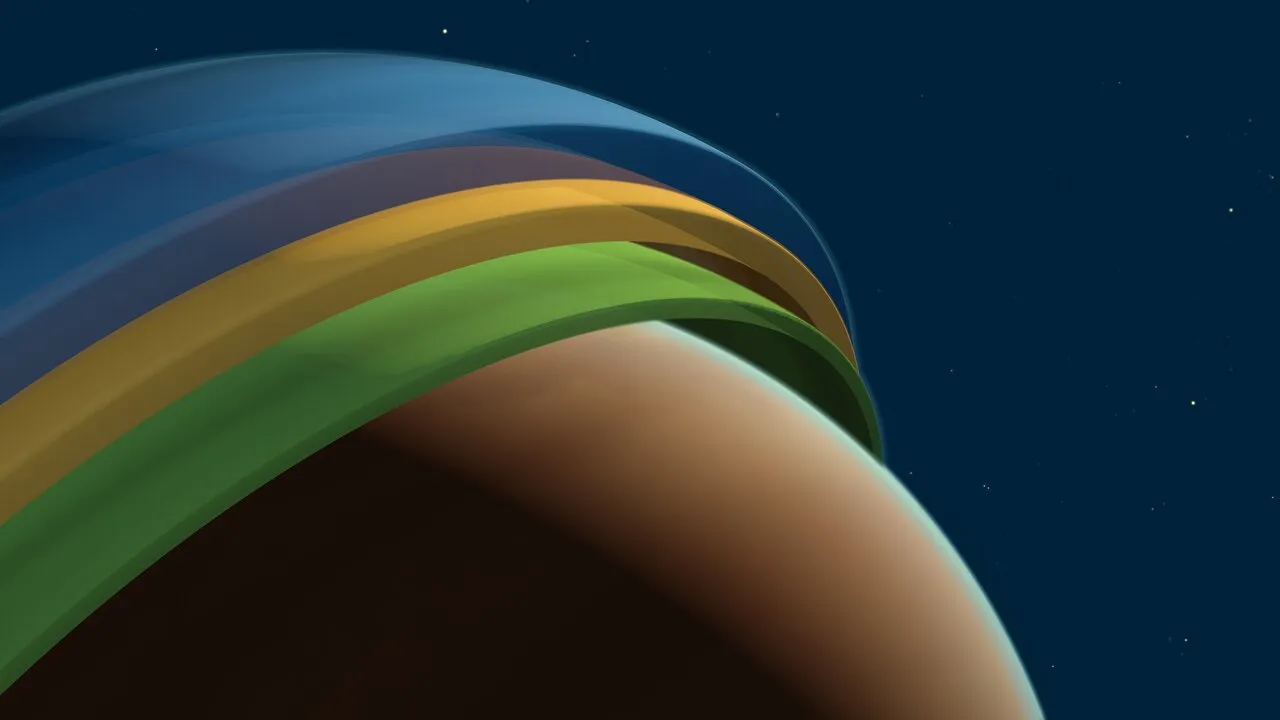
“Out of science fiction”: First 3D observations of an exoplanet’s atmosphere reveal a unique climate
Astronomers have peered through the atmosphere of a planet beyond the Solar System, mapping its 3D structure for the first time.
astrophysicsexoplanetsStar cluster reveals its colours in stunning 80-million-pixel ESO image
The European Southern Observatory (ESO) has released a stunning 80 million-pixel image of the star cluster RCW 38, as captured by ESO’s Visible and Infrared Survey Telescope for Astronomy (VISTA), operating in Chile’s Atacama Desert.
astrophysicsstar clustersAnyone for Anyons?
Researchers have demonstrated that a strange type of quantum particle called the anyon, believed to exist in only two dimensions, can also be created in one dimension.
physics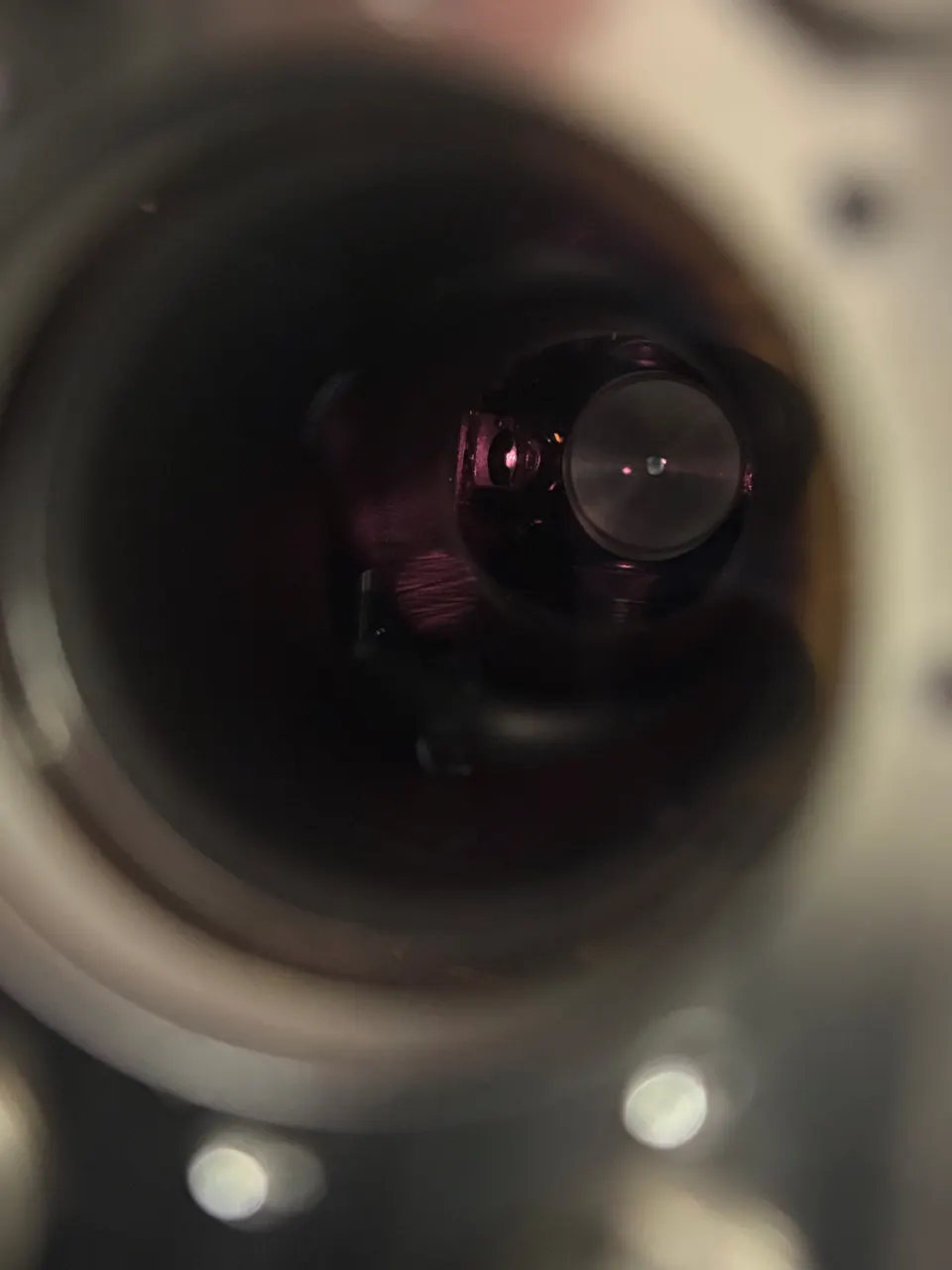
New Atom-Based Thermometer Measures Temperature More Accurately
This atomic thermometer provides accurate measurements “out of the box” because it relies on the basic principles of quantum physics.
metrology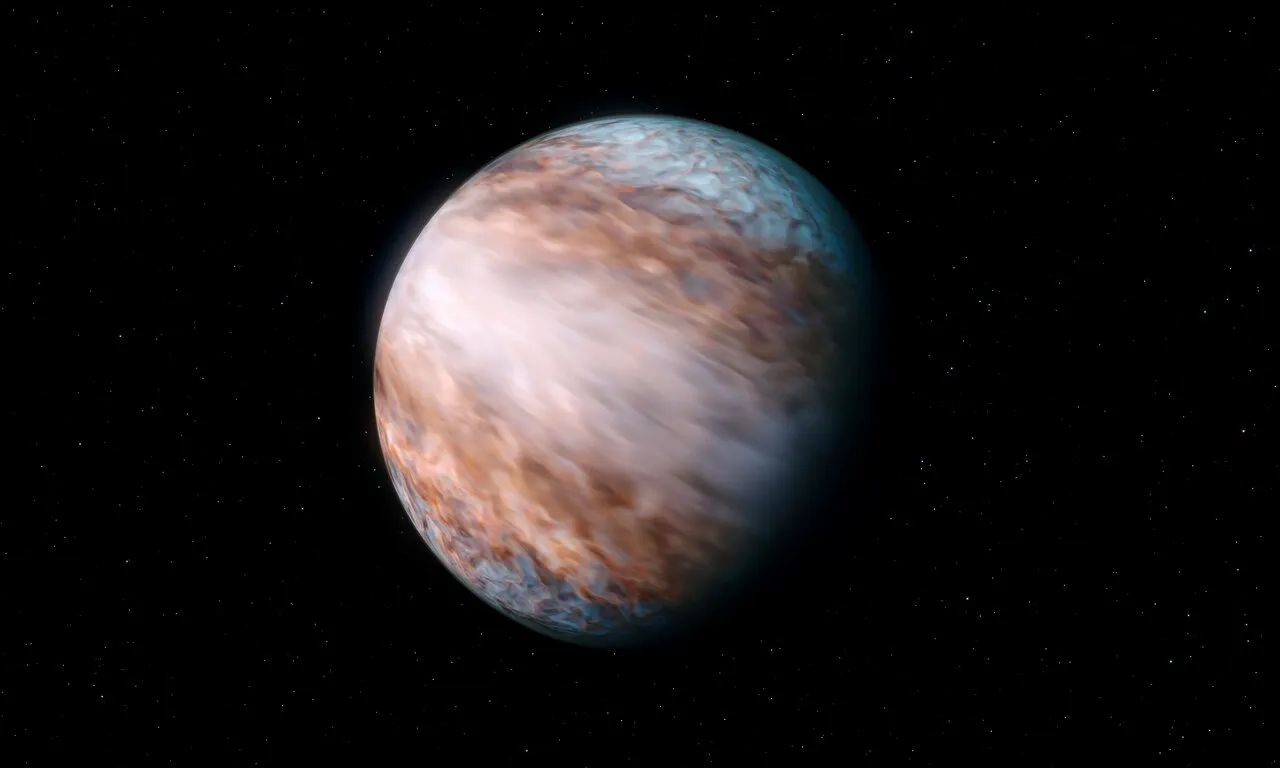
Extreme supersonic winds measured on planet outside our Solar System
Astronomers have discovered extremely powerful winds pummeling the equator of WASP-127b, a giant exoplanet.
astrophysicsexoplanets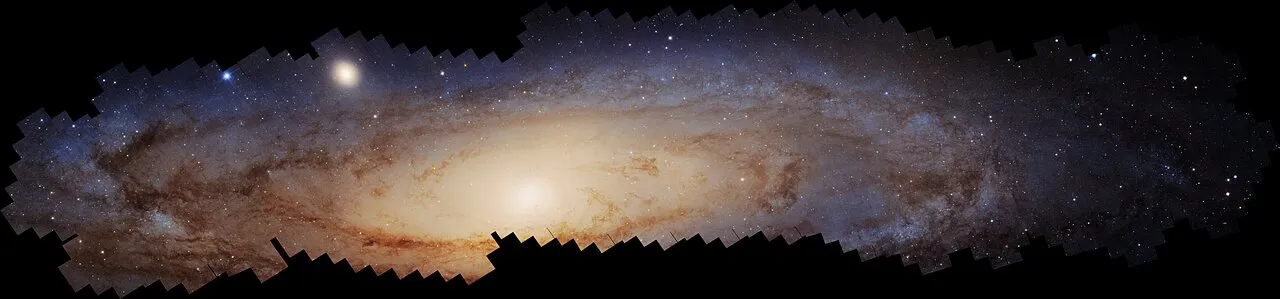
Hubble traces hidden history of the Andromeda Galaxy
The largest photomosaic of the Andromeda galaxy, assembled from NASA/ESA Hubble Space Telescope observations, has been unveiled.
astrophysicsgalaxies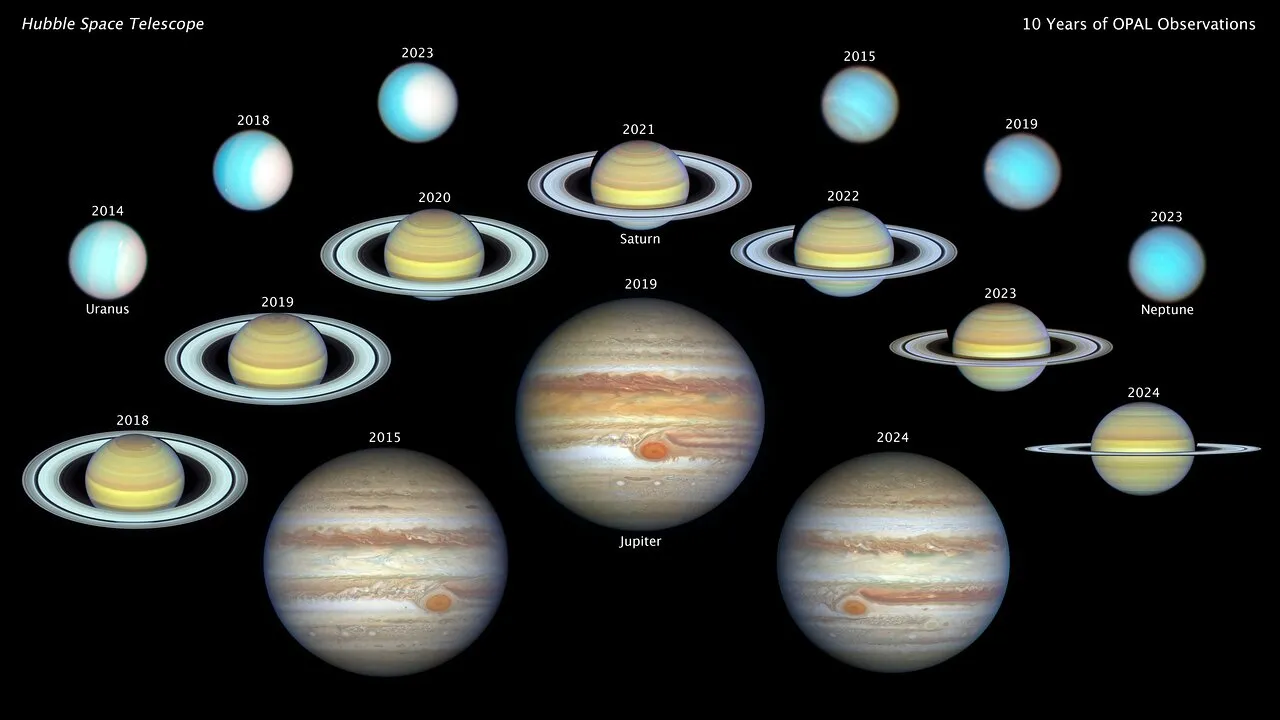
Hubble celebrates a decade of tracking the outer planets
From 2014 to 2024, the NASA/ESA Hubble Space Telescope has been studying the outer planets under a program called OPAL (Outer Planet Atmospheres Legacy) to obtain long-time baseline observations of Jupiter, Saturn, Uranus, and Neptune in order to understand their atmospheric dynamics and evolution.
astrophysicsthe solar system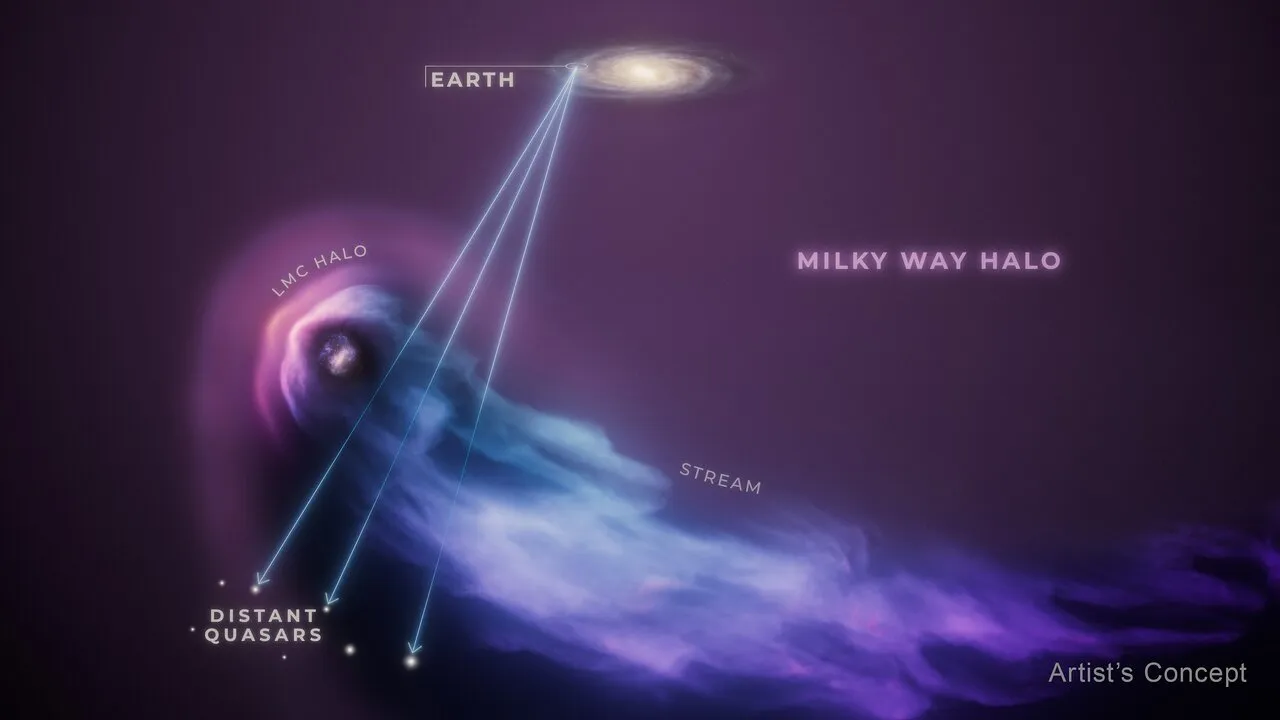
Hubble sees aftermath of galaxy’s scrape with Milky Way
Encounter blew away most of smaller galaxy’s gaseous halo
astrophysicsgalaxies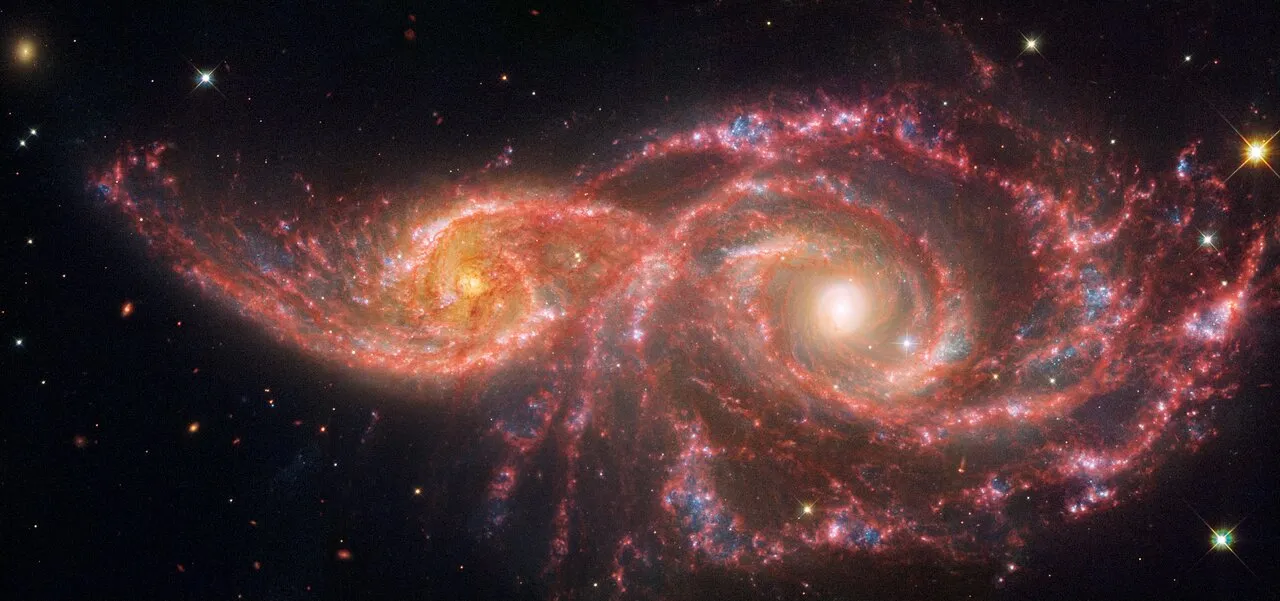
Webb and Hubble examine spooky galaxy pair
Stare deeply at these galaxies.
astrophysicsgalaxies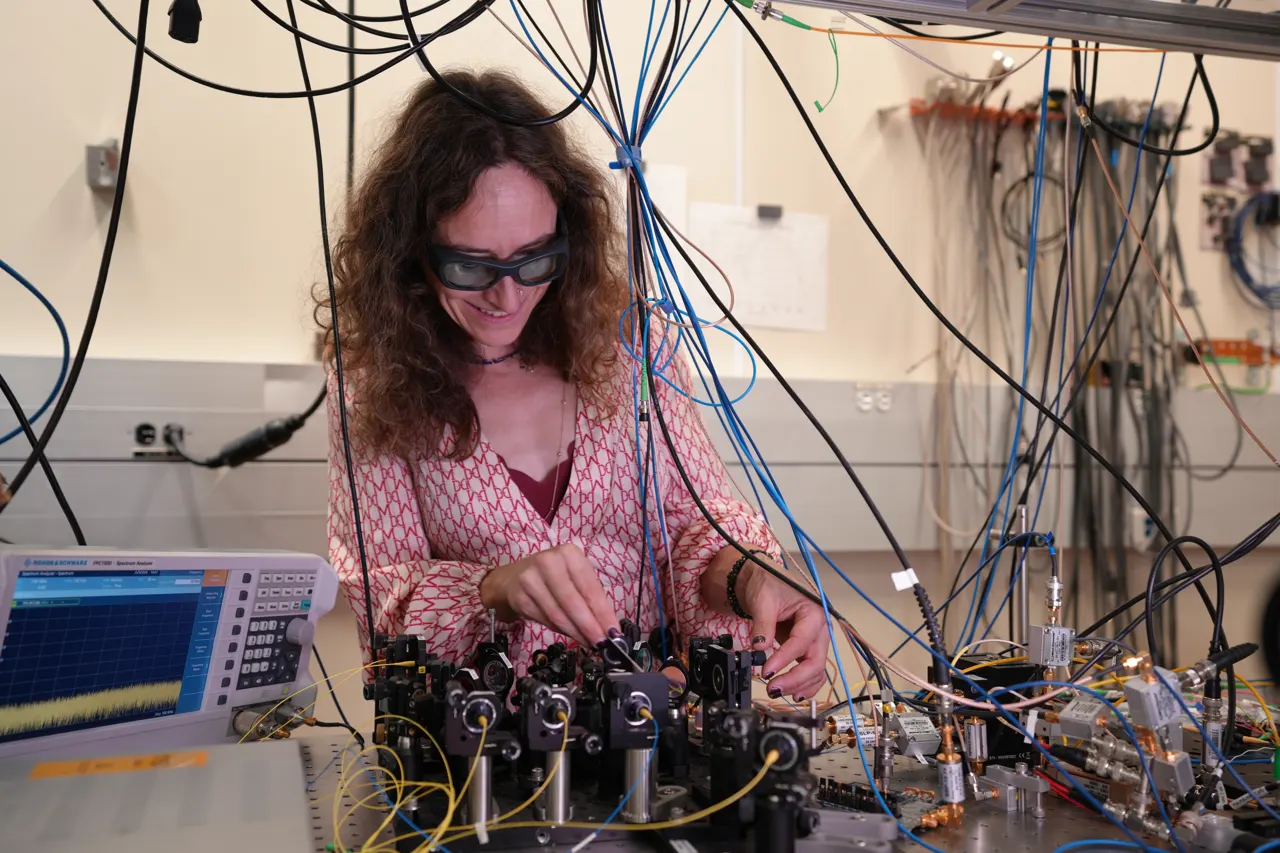
Smart New Laser Technology Can Monitor Greenhouse Gases Faster, More Sensitively
New laser technology, known as free-form dual-comb spectroscopy, quickly measures gases of interest by homing in on the most information-rich parts of a sample.
metrologyoptical frequency comb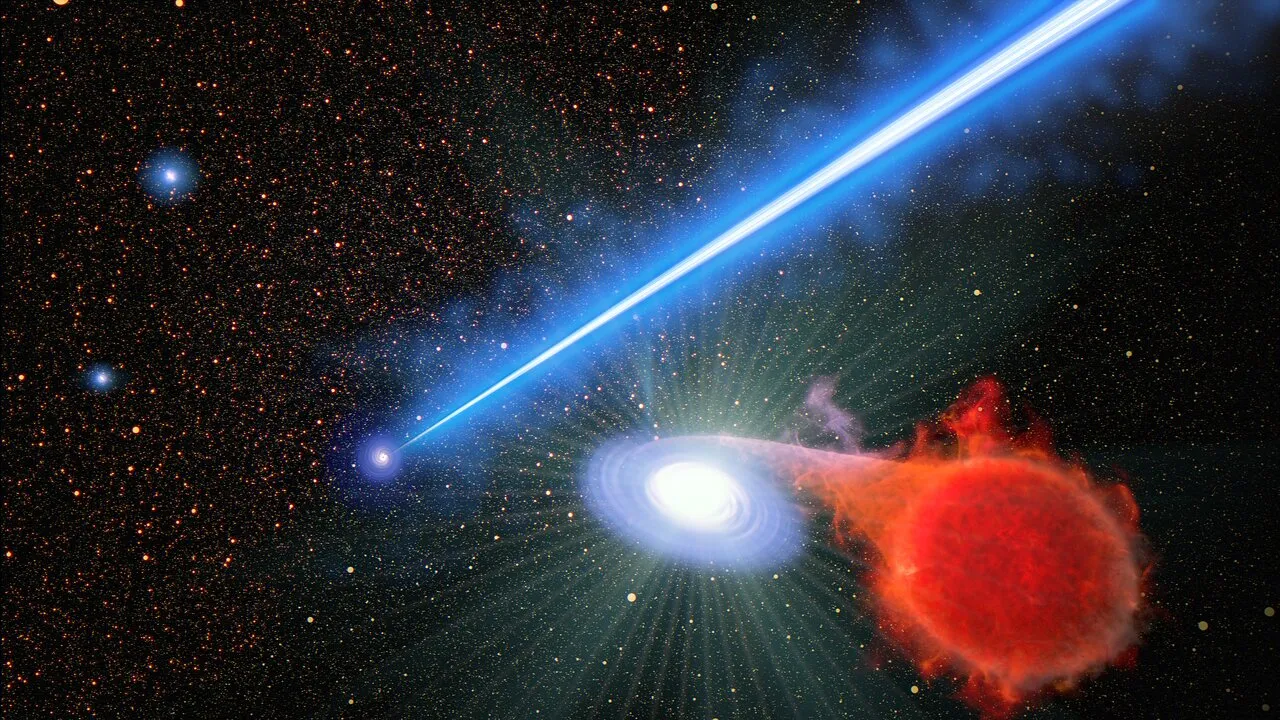
Hubble finds that a black hole beam promotes stellar eruptions
In a surprise finding, astronomers using the NASA/ESA Hubble Space Telescope have discovered that the blowtorch-like jet from a supermassive black hole at the core of a huge galaxy seems to cause stars to erupt along its trajectory.
astrophysicsblack holes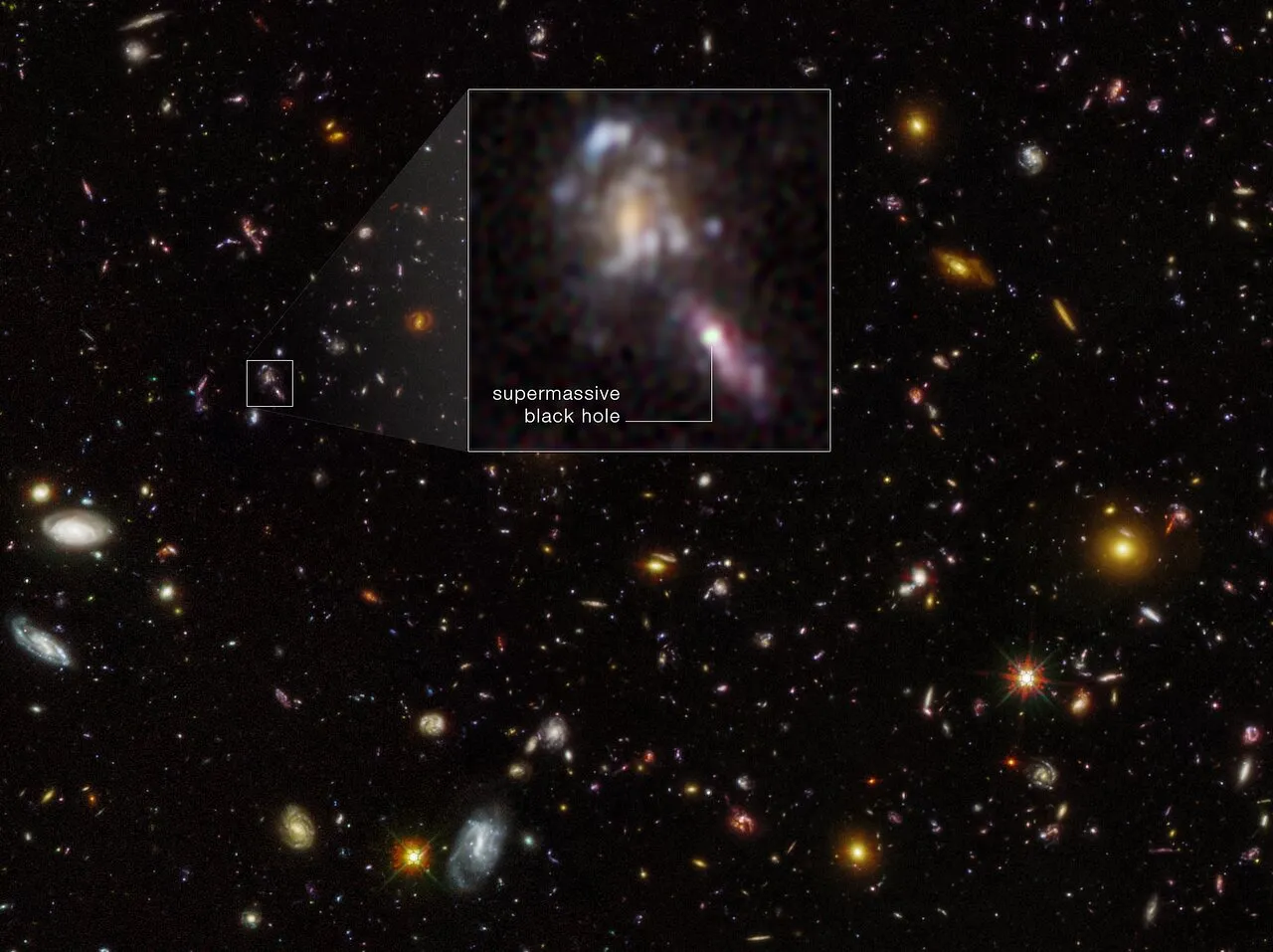
Hubble finds more black holes than expected in the early Universe
With the help of the NASA/ESA Hubble Space Telescope, an international team of researchers led by scientists in the Department of Astronomy at Stockholm University has found more black holes in the early Universe than has previously been reported.
astrophysicsblack holesNow Live: Living Cells Can Be Seen With Infrared Light
NIST researchers use new method to measure biomolecules in live cells.
chemistry