Frontier science, explained
Space, physics and materials news from NASA, NIST, ESA/Hubble, ESA/Webb, ESO, NOIRLab and ALMA.
Major Leap for Nuclear Clock Paves Way for Ultraprecise Timekeeping
An international team led by JILA scientists has demonstrated key elements of a nuclear clock, a novel type of timekeeping device that would use signals from the nucleus of an atom.
metrology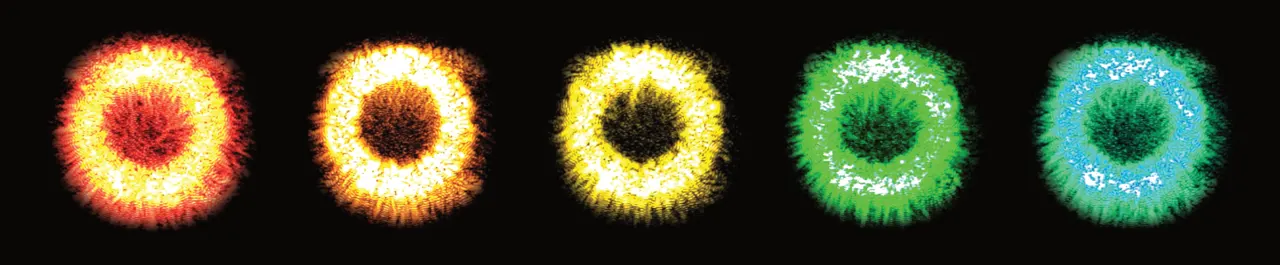
Tiny New Lasers Fill a Long-Standing Gap in the Rainbow of Visible-Light Colors, Opening New Applications
Researchers have created orange, yellow and green lasers tiny enough to fit on a chip.
materials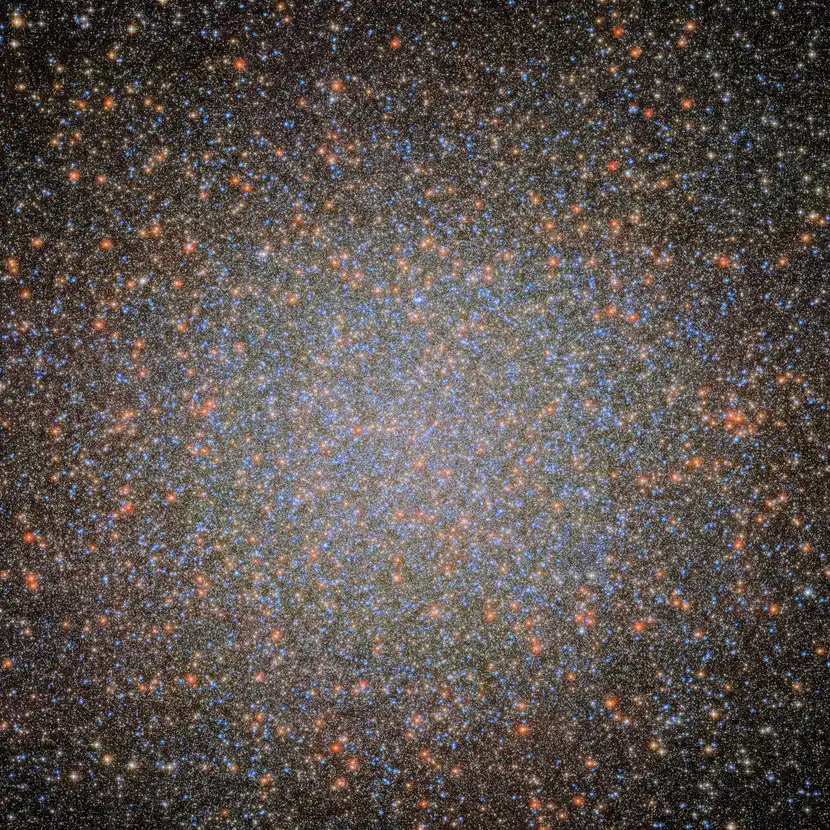
Hubble finds strong evidence for intermediate-mass black hole in Omega Centauri
An international team of astronomers has used more than 500 images from the NASA/ESA Hubble Space Telescope spanning two decades to detect seven fast-moving stars in the innermost region of Omega Centauri, the largest and brightest globular cluster in the sky.
astrophysicsblack holes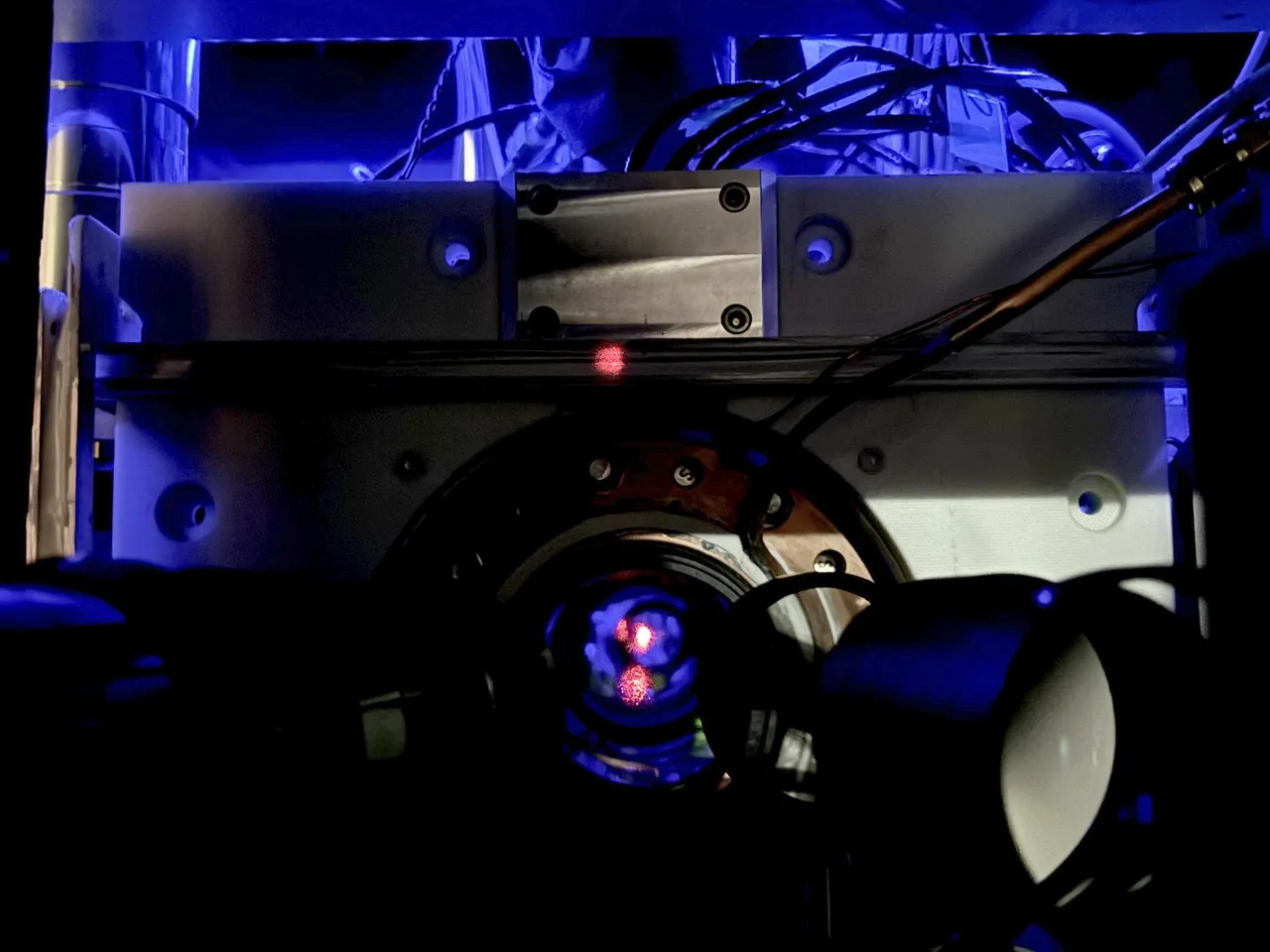
World's Most Accurate and Precise Atomic Clock Pushes New Frontiers in Physics
Researchers at JILA, a joint institute of NIST and the University of Colorado Boulder, have built an atomic clock more precise and accurate than any clock previously created.
metrology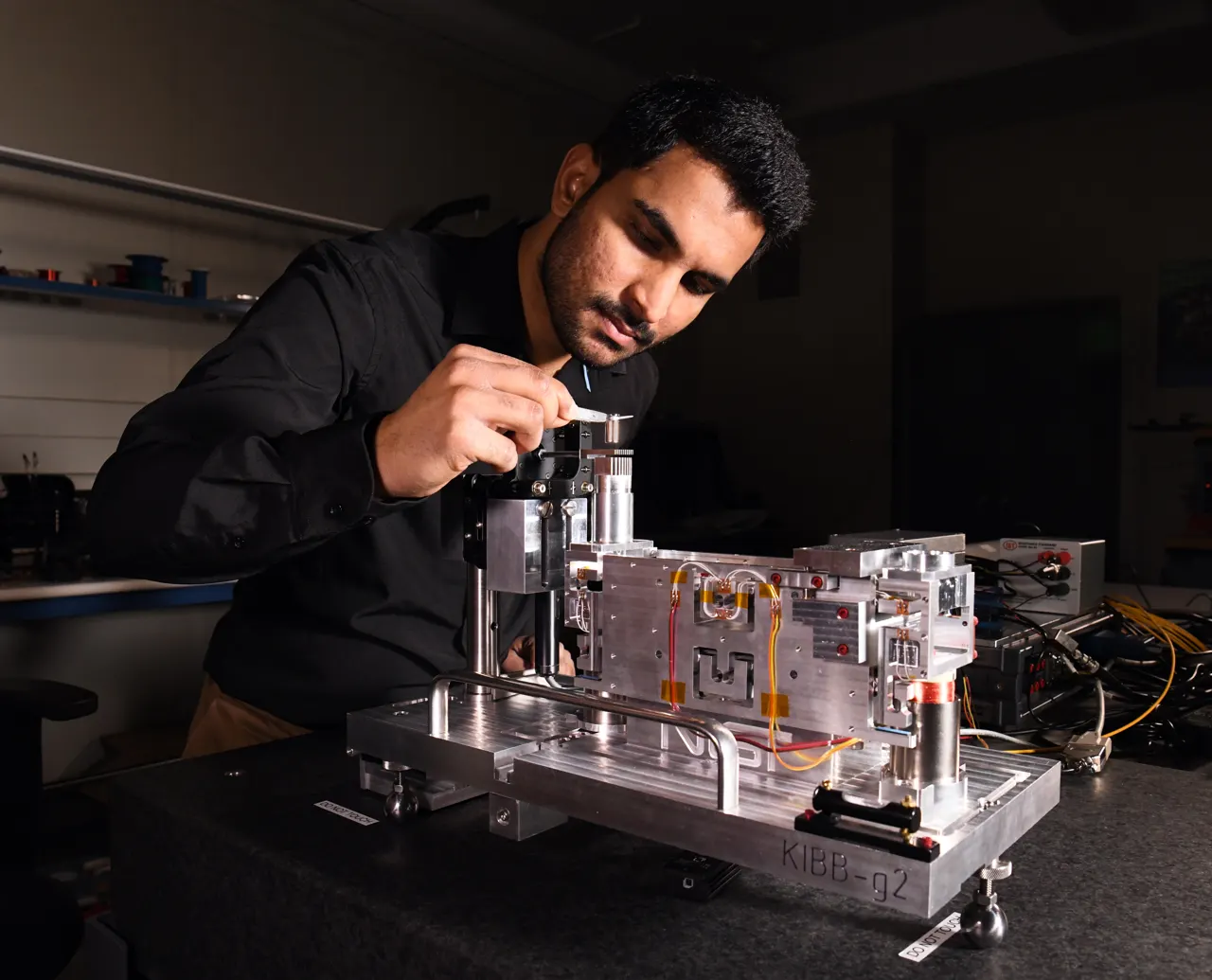
NIST Brings Mass Measurement to the Masses
NIST has delivered a portable and highly accurate instrument for measuring mass to the U.S. Army, marking the first time in the U.S. that this technology is available outside of NIST.
metrology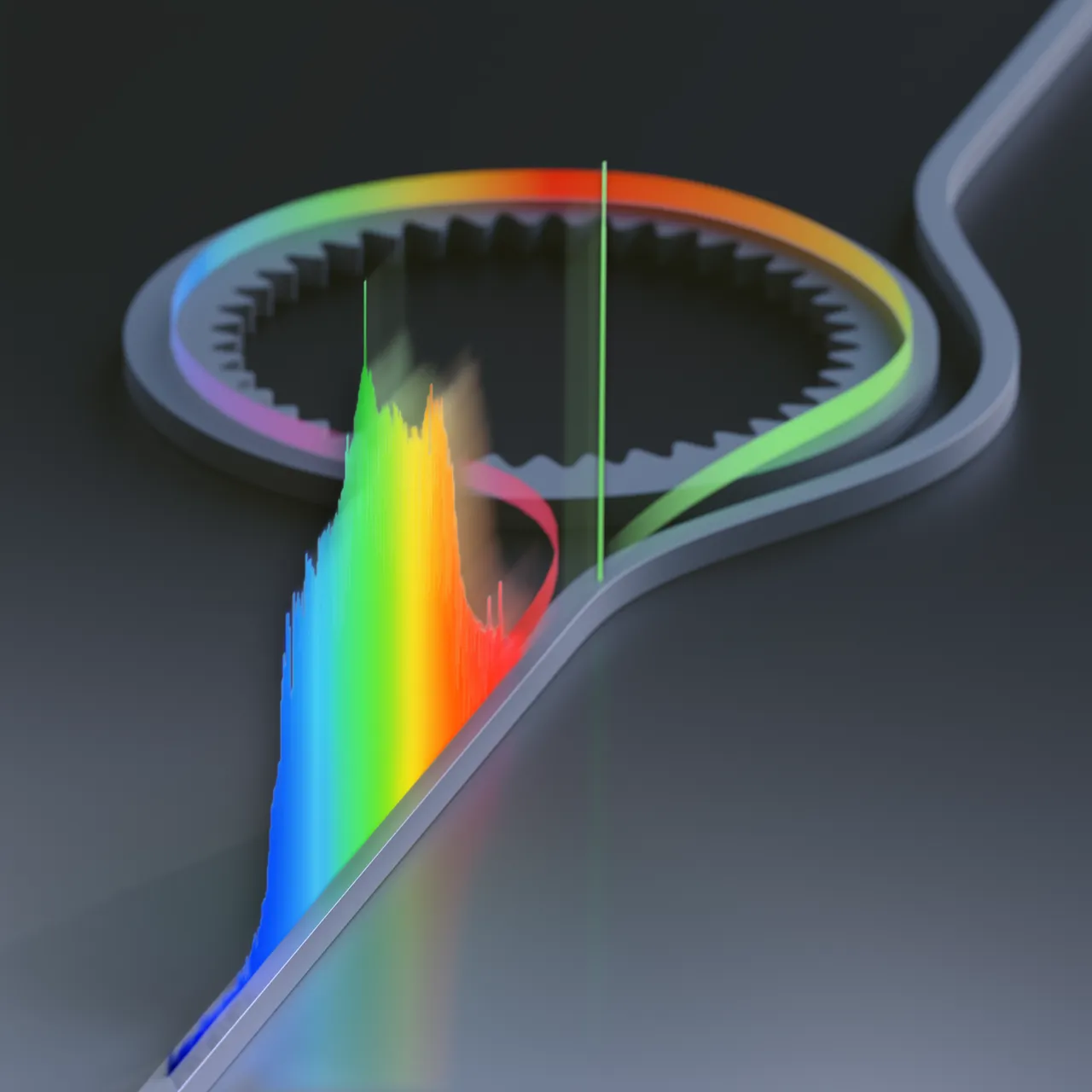
With Some Bumps, NIST Scientists Devise a Novel Way to Extend the Wavelength Range of Microcombs
NIST researchers and collaborators have devised a novel way to extend the operating range of microcombs to shorter near-infrared wavelengths, a boon for probing biological samples.
physics
A New Way of Designing Auxetic Materials
Auxetics defy common sense, widening when they’re stretched and narrowing when they’re compressed.
materials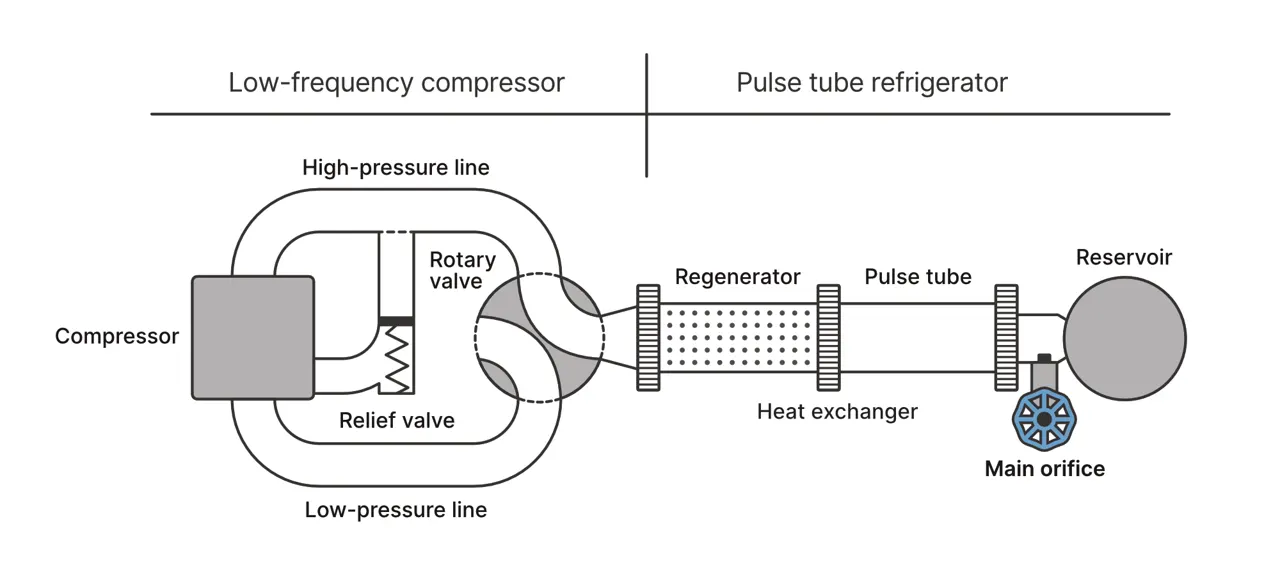
The Big Quantum Chill: NIST Scientists Modify Common Lab Refrigerator to Cool Faster With Less Energy
By modifying a refrigerator commonly used in both research and industry, researchers at the National Institute of Standards and Technology NIST have drastically reduced the time and energy required to cool materials to within a few degrees above absolute zero.
materials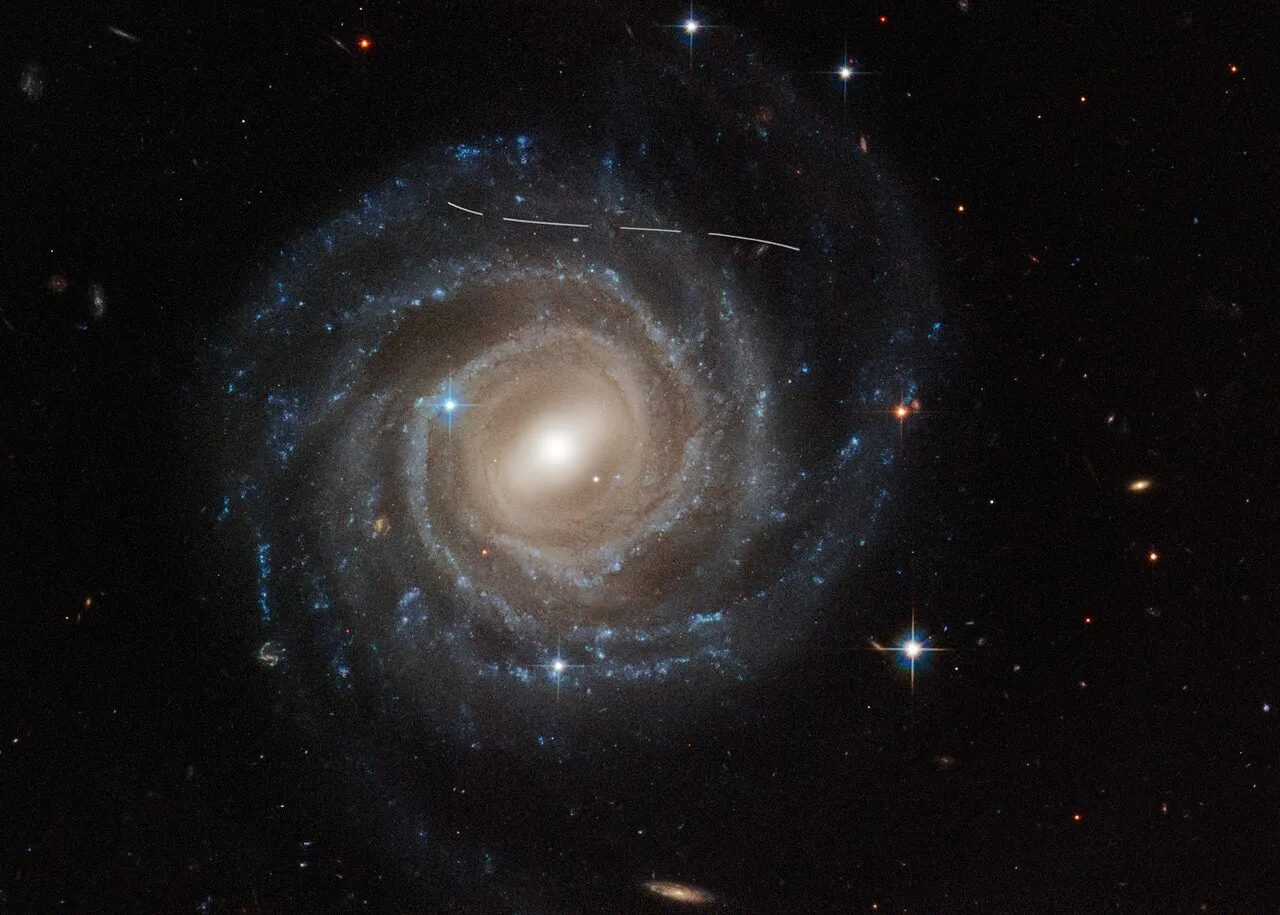
Hubble goes hunting for small main-belt asteroids
Astronomers recently used a trove of archived images taken by the NASA/ESA Hubble Space Telescope to visually snag a largely unseen population of smaller asteroids in their tracks.
astrophysicsthe solar system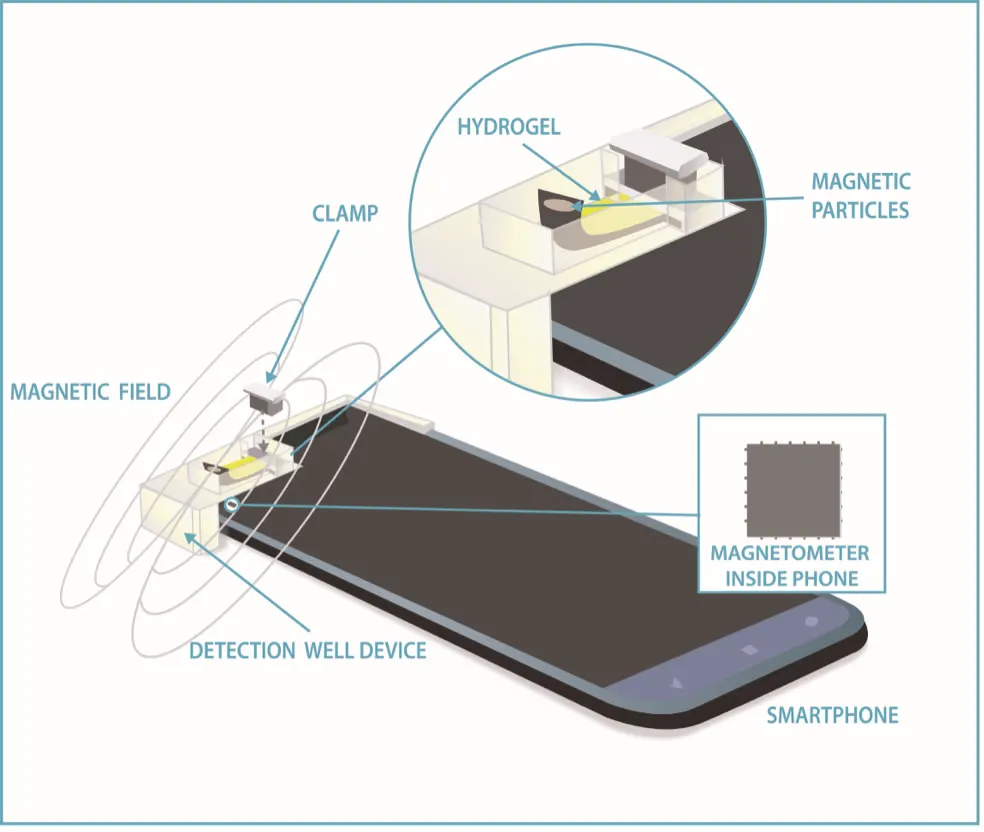
NIST Researchers Use Cellphone Compass to Measure Tiny Concentrations of Compounds Important for Human Health
Nearly every modern cellphone has a built-in compass, or magnetometer, that detects the direction of Earth’s magnetic field, providing critical information f
nanotechnology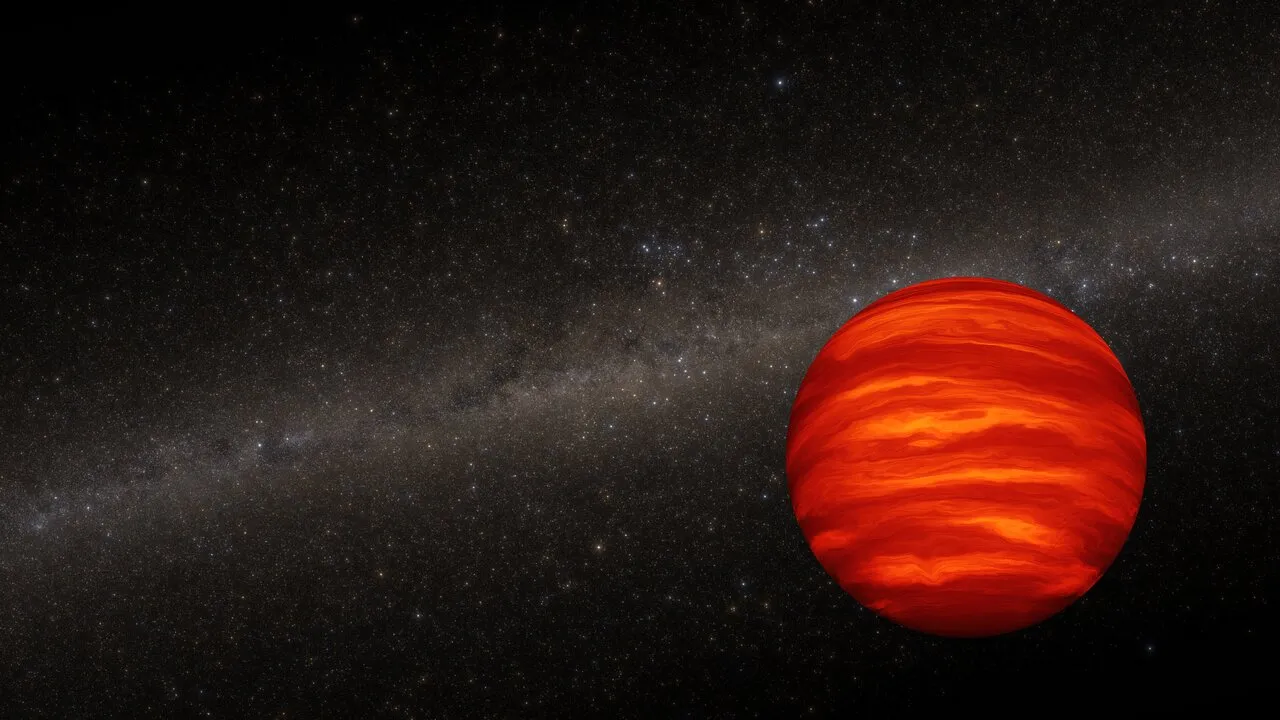
Hubble finds that ageing brown dwarfs grow lonely
It takes two to tango, but in the case of brown dwarfs that were once paired as binary systems, that relationship doesn’t last for very long, according to a recent survey using the NASA/ESA Hubble Space Telescope.
astrophysicsScientists Observe Long-Predicted Superconductor Property Using a Quantum Simulator
New insights can help scientists make superconducting materials more robust and useful.
materials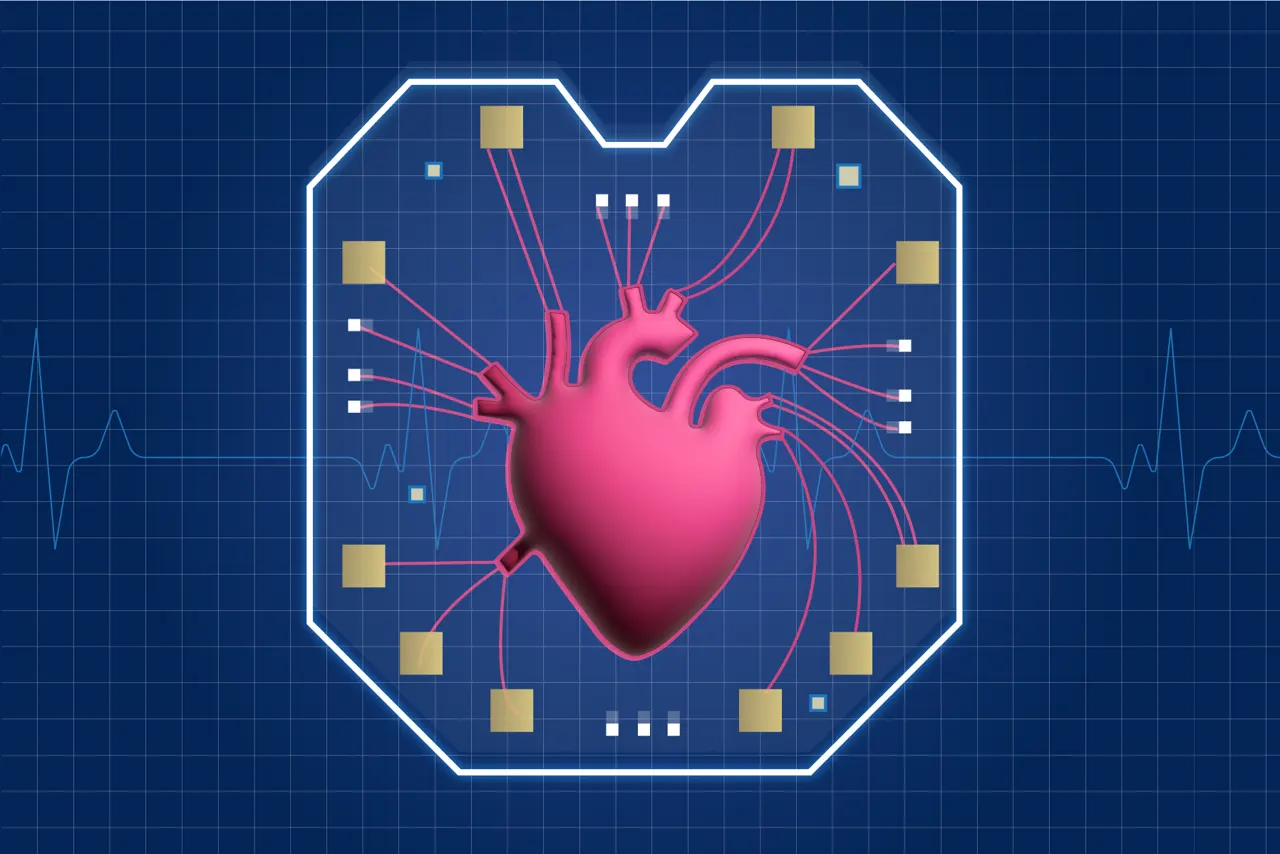
Heart-on-a-Chip: A Microfluidic Marvel Shaping the Future of Cardiovascular Research
Researchers at NIST have developed bioelectronic devices capable of real-time measurements of cell behavior.
nanotechnology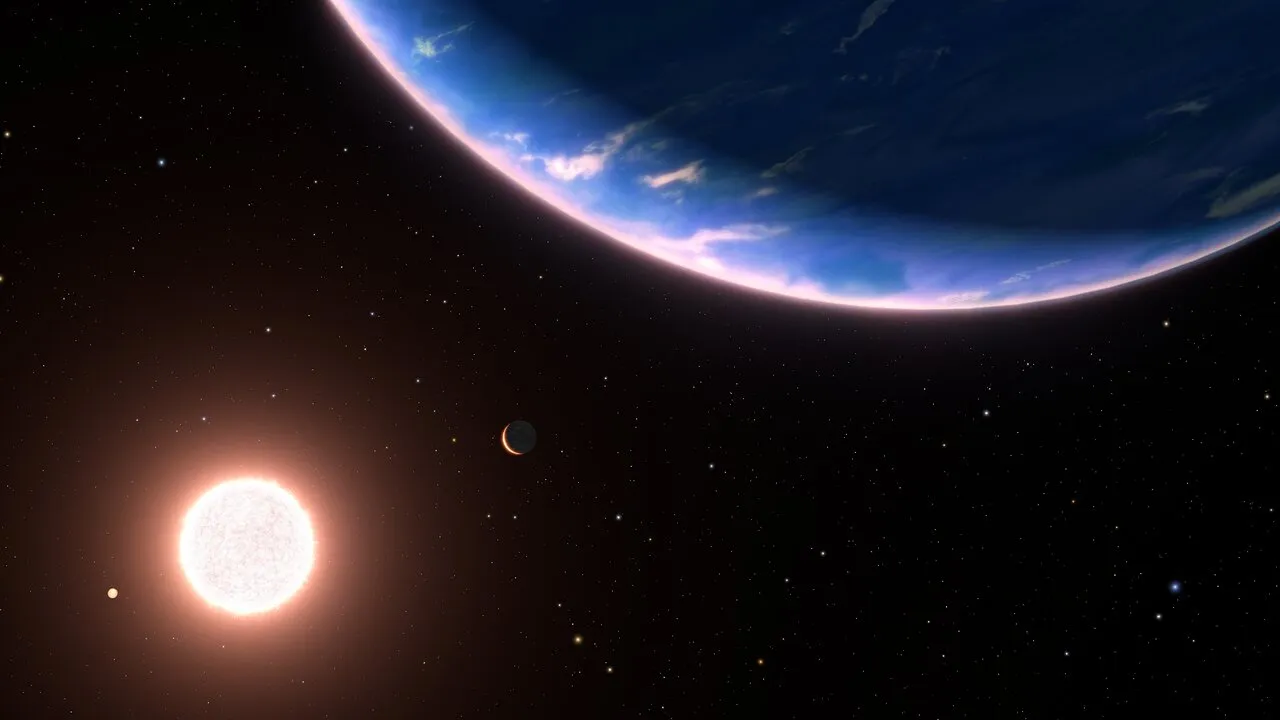
Hubble finds water vapour in small exoplanet’s atmosphere
Astronomers using the NASA/ESA Hubble Space Telescope observed the smallest exoplanet where water vapour has been detected in its atmosphere.
astrophysicsexoplanets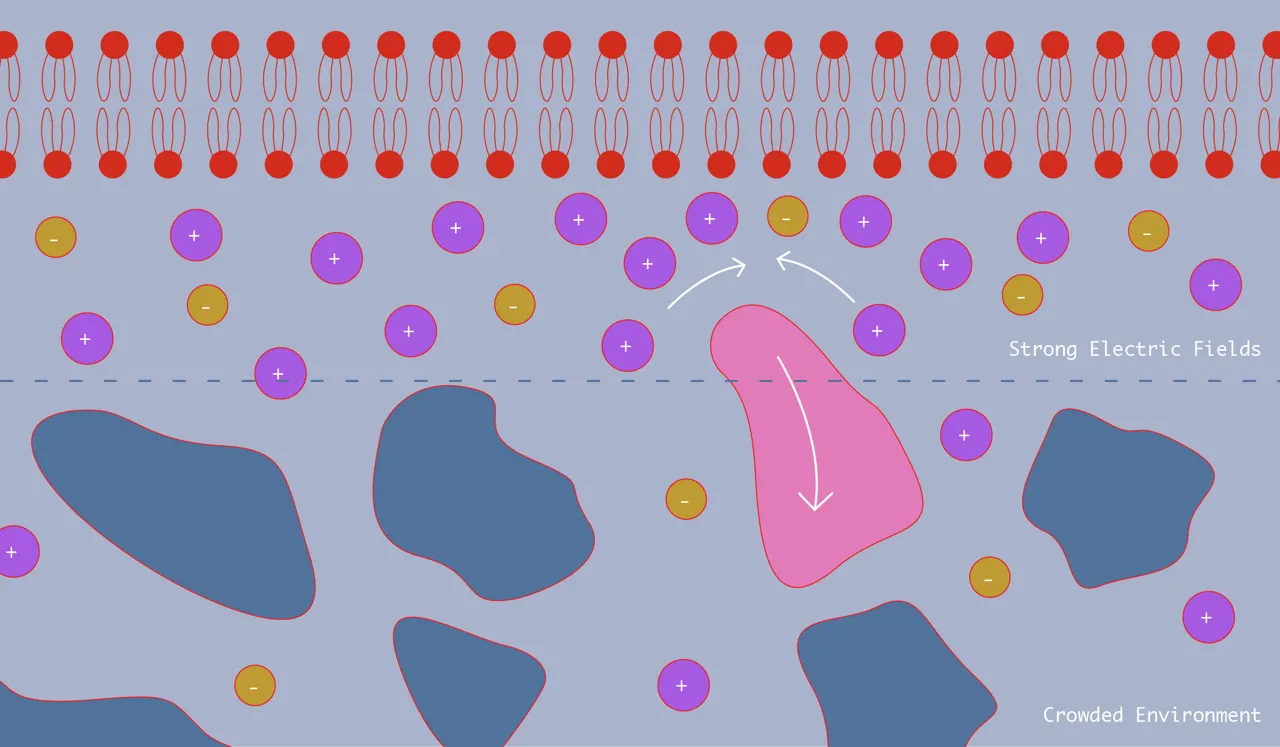
Cells’ Electric Fields Keep Nanoparticles at Bay, Scientists Confirm
The surprisingly strong effect could have implications for drug design and delivery.
nanotechnology