Frontier science, explained
Space, physics and materials news from NASA, NIST, ESA/Hubble, ESA/Webb, ESO, NOIRLab and ALMA.
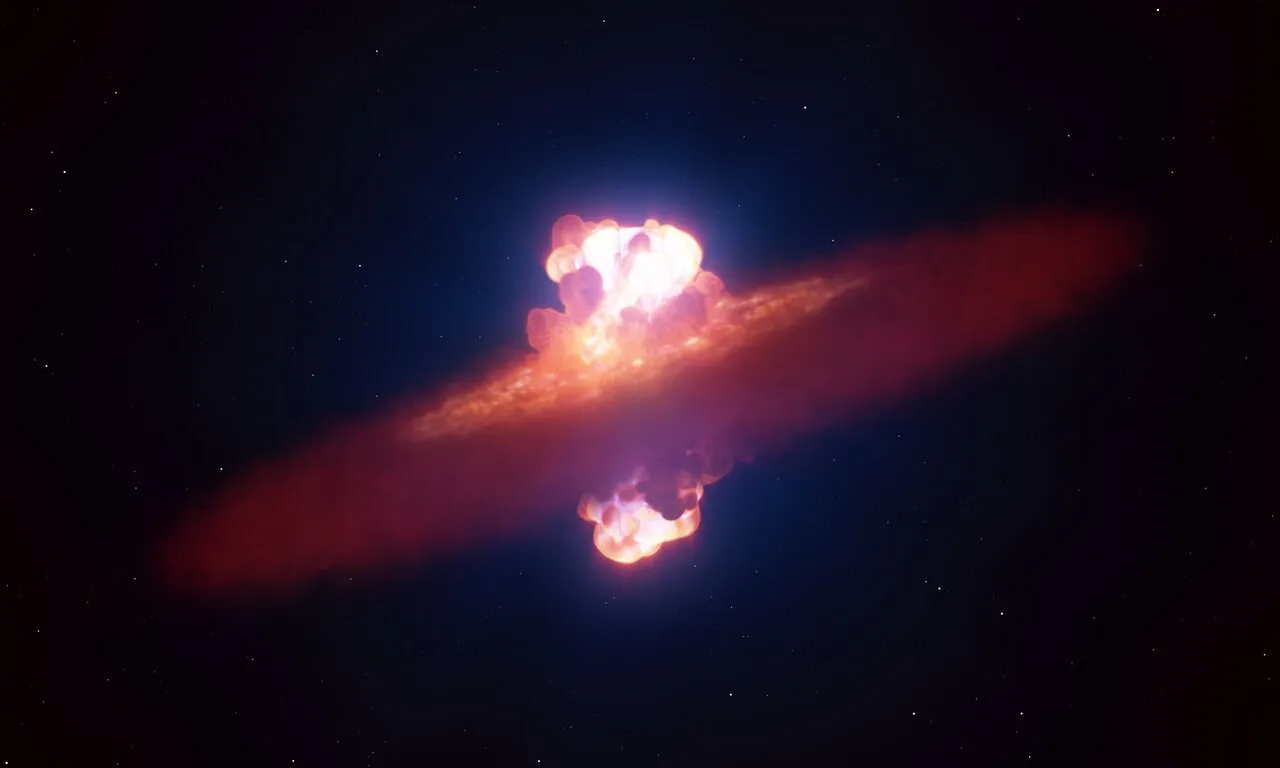
Unique shape of star’s explosion revealed just a day after detection
Swift observations with the European Southern Observatory’s Very Large Telescope (ESO’s VLT) have revealed the explosive death of a star just as the blast was breaking through the star’s surface.
astrophysicsLaser trial run kickstarts new era of interferometry
Last week, four lasers were projected into the skies above the European Southern Observatory’s (ESO’s) Paranal site in Chile.
astrophysics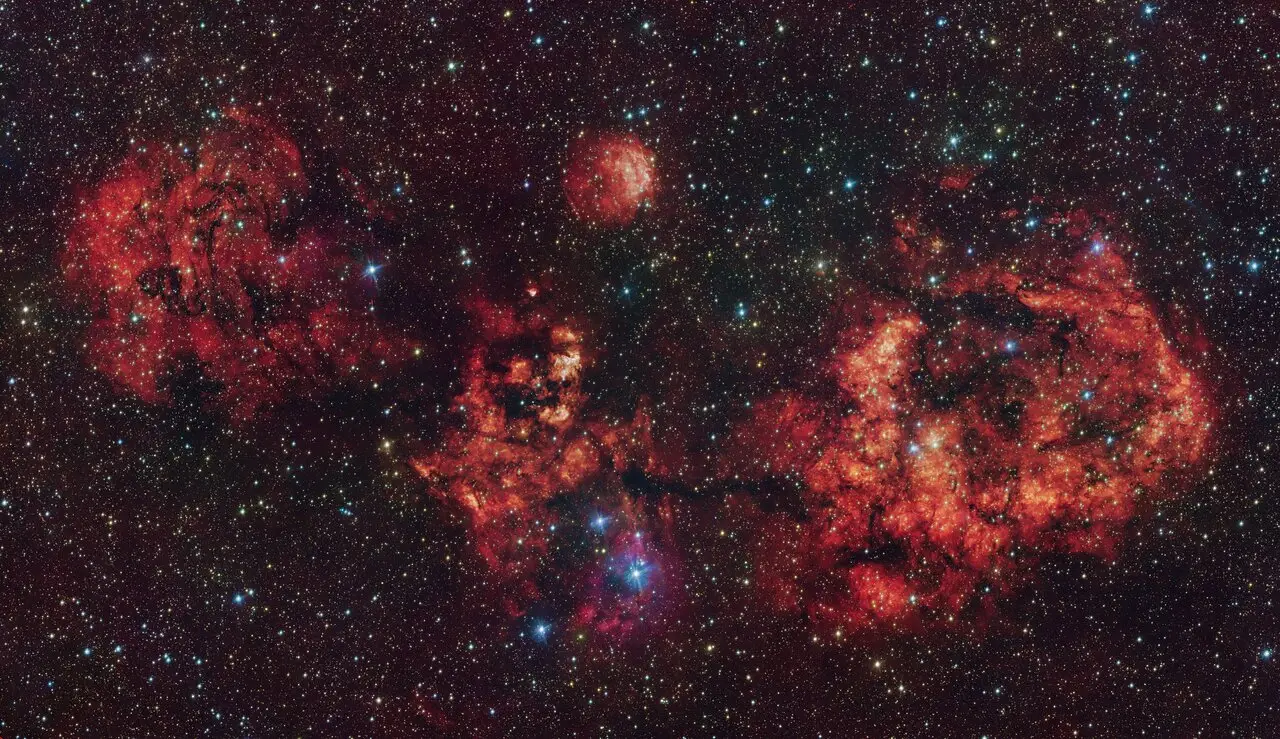
New image captures spooky bat signal in the sky
A spooky bat has been spotted flying over the European Southern Observatory’s (ESO’s) Paranal site in Chile, right in time for Halloween.
astrophysicsnebulaeAstronomers Spot Magnetically-Guided Streamer Funneling Star-Building Material into Newborn System in Perseus
New ALMA observations reveal spiral-shaped gas streamer guided by magnetic fields in a star-forming nursery
astrophysicsstarsAstronomers Discover Fastest-Evolving Radio Signals Ever Observed from Black Hole Tearing Apart Star
An international team of astronomers has discovered the first radio-bright tidal disruption event (TDE) occurring outside a galaxy's center, combining data from the Atacama Large Millimeter/submillimeter Array (ALMA) and from the Very Large Array (VLA) of the U.S. National Science Foundation National Radio Astronomy Observatory (NSF NRAO), along with several partner telescopes.
astrophysicsblack holesFirst-ever Detection of “Heavy Water” in a Planet-forming Disk
New ALMA data traces water found in comets, and planet formation, back to the dawn of the cosmos
astrophysicsexoplanetsCosmic Tug-of-War: Gravity Reshapes Magnetic Fields in Star Clusters
A record-breaking ALMA survey delivers the first statistical evidence that collapsing gas clouds realign their magnetic fields, tipping the cosmic balance in favor of gravity
astrophysicsstar clusters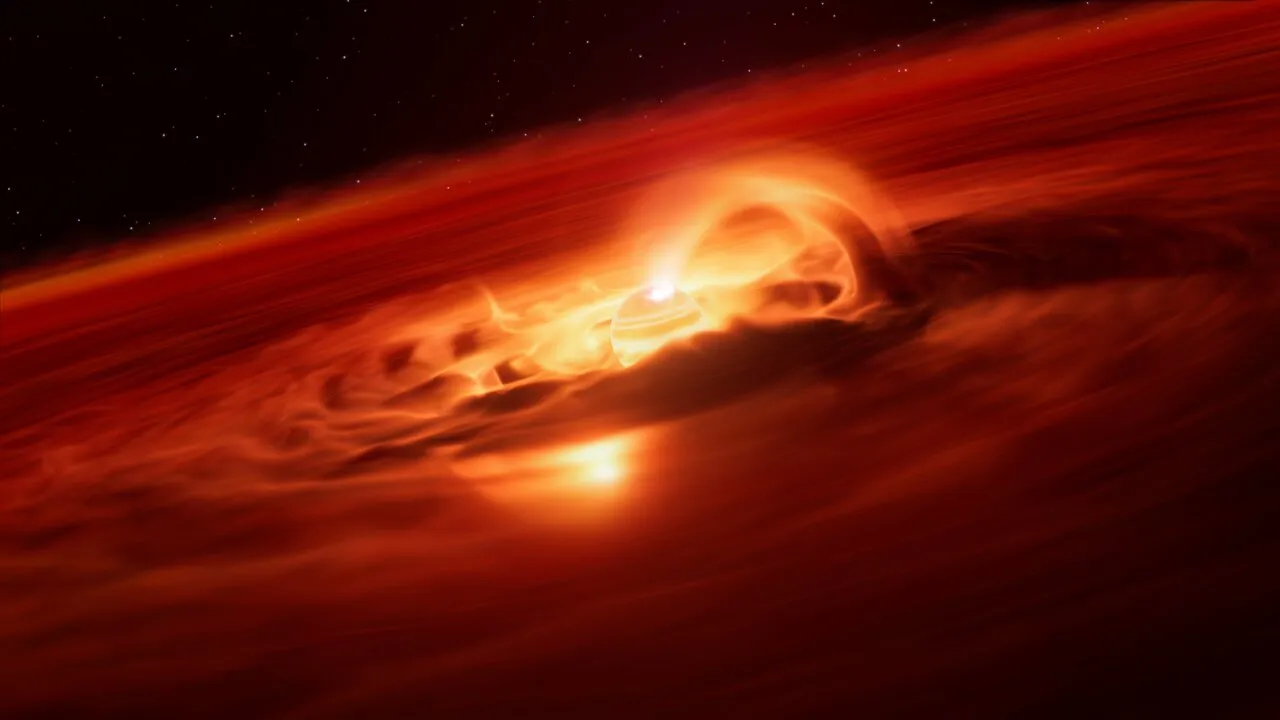
Six billion tonnes a second: Rogue planet found growing at record rate
Astronomers have identified an enormous ‘growth spurt’ in a so-called rogue planet.
astrophysicsexoplanetsALMA pinpoints the radio signature of planetary growth
New multi-frequency observations reveal that the growing giant planet PDS 70c shines in radio waves not from dust, but from ionized gas in its environment.
astrophysicsexoplanetsNIST Engineers Design 5 New Ways to Connect Concrete Pieces for More Resilient Buildings
One of the biggest challenges with precast concrete is connecting the concrete pieces at a job site.
materials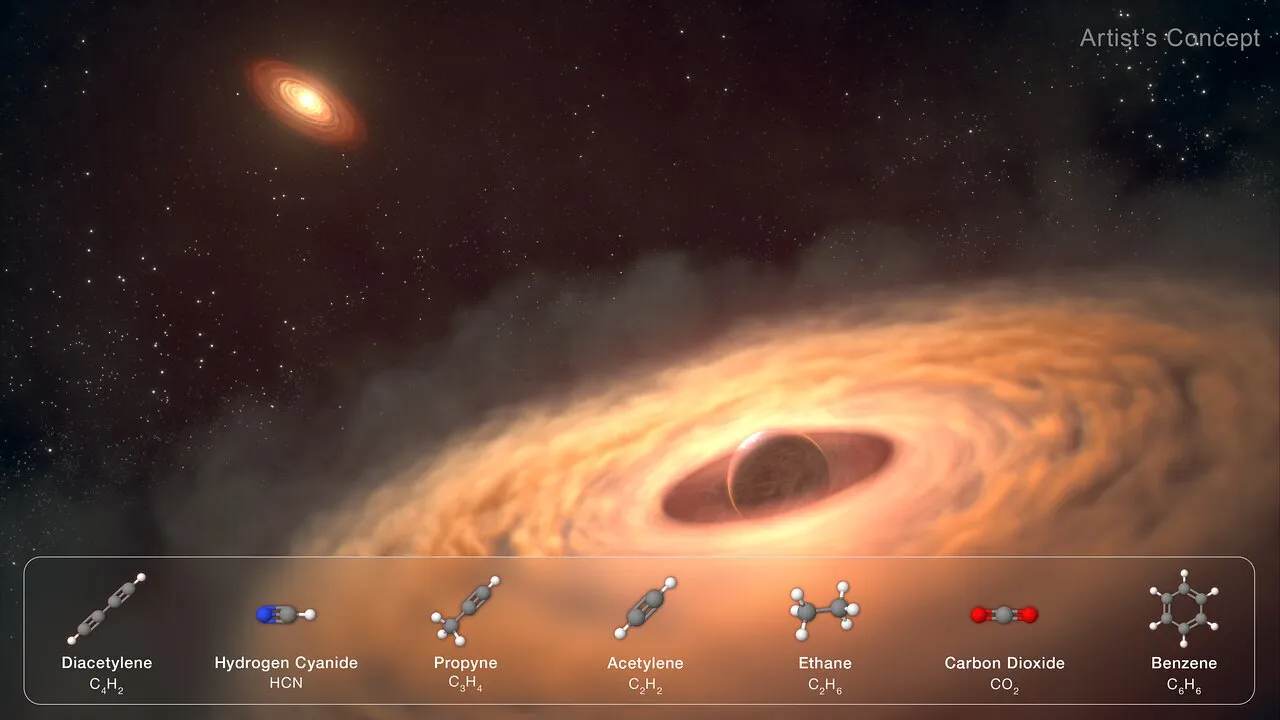
Webb studies moon-forming disc around massive planet
The disc offers insight into how the moons of solar system gas giants like Jupiter might have formed.
astrophysicsexoplanetsSpirals in Planet-Forming Disk Caught Twisting for the First Time with ALMA
Astronomers using the Atacama Large Millimeter/submillimeter Array (ALMA) have, for the first time, captured on video the winding motion of spiral structures in a planet-forming disk.
astrophysicsexoplanets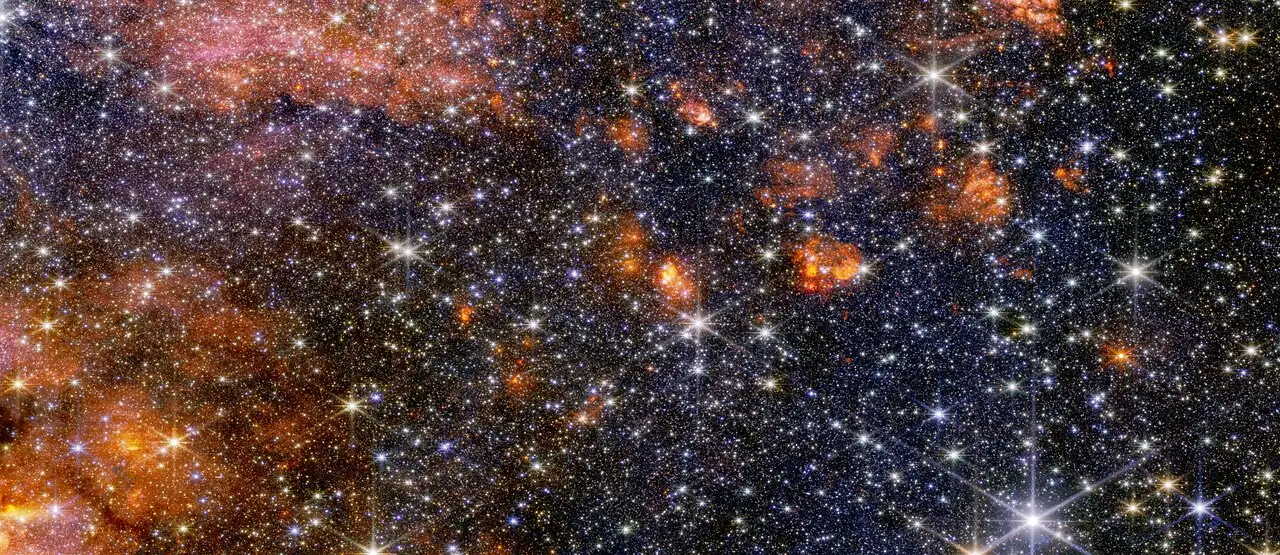
Webb explores largest star-forming cloud in the Milky Way
The NASA/ESA/CSA James Webb Space Telescope has revealed a colourful array of massive stars and glowing cosmic dust in the Sagittarius B2 (Sgr B2) molecular cloud, the most massive and active star-forming region in our Milky Way galaxy.
astrophysicsthe milky way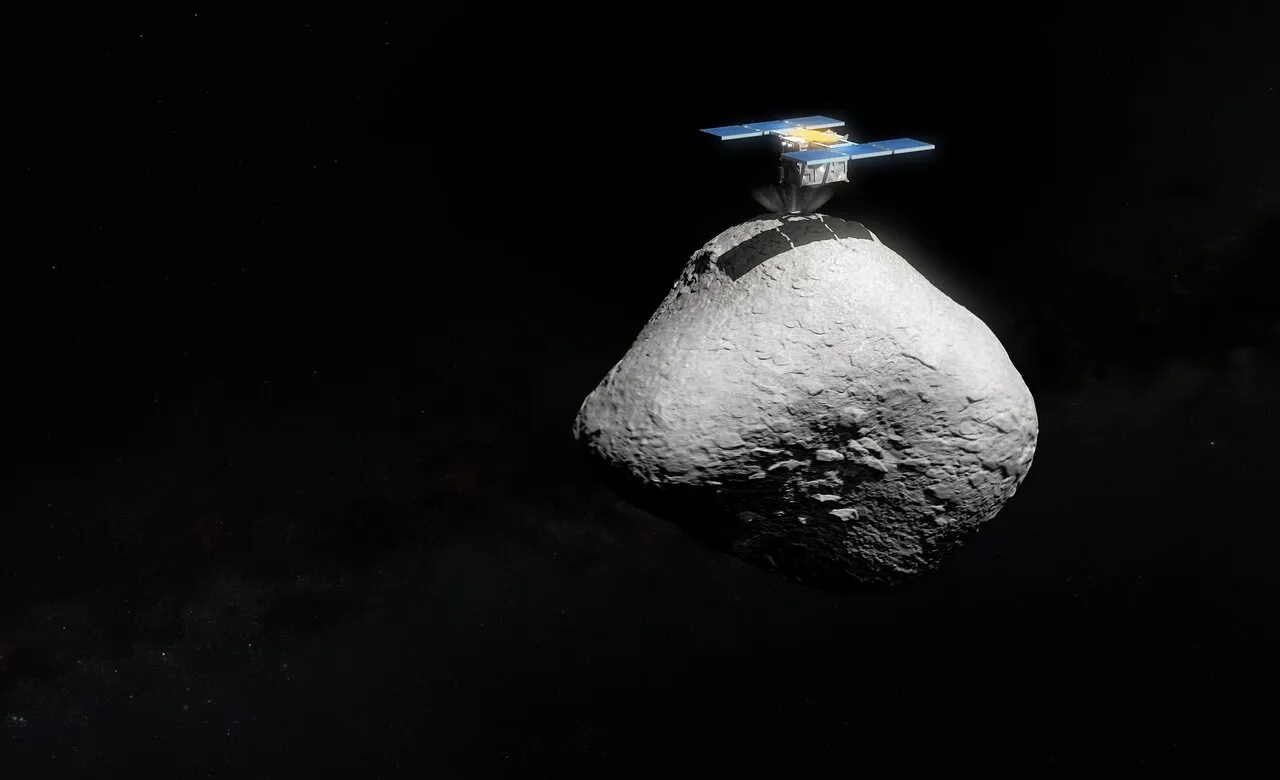
Can Hayabusa2 touchdown? New study reveals space mission’s target asteroid is tinier and faster than thought
Astronomers have used observatories around the world, including the European Southern Observatory’s Very Large Telescope (ESO’s VLT), to study the asteroid 1998 KY26, revealing it to be almost three times smaller and spinning much faster than previously thought.
astrophysicsthe solar system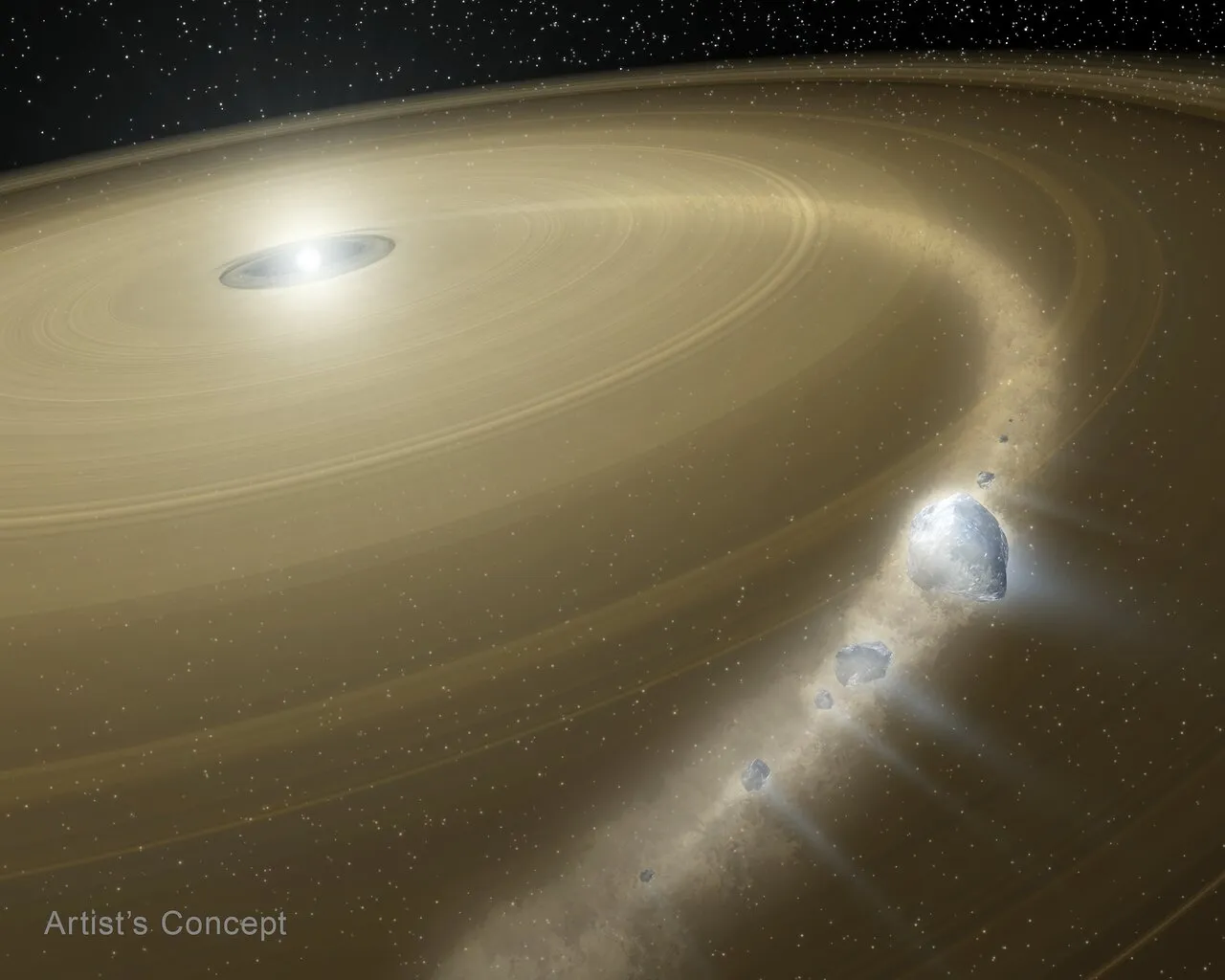
Hubble sees white dwarf eating piece of Pluto-like object
In our nearby stellar neighbourhood, a burned-out star is snacking on a fragment of a Pluto-like object.
astrophysicsthe solar system