Frontier science, explained
Space, physics and materials news from NASA, NIST, ESA/Hubble, ESA/Webb, ESO, NOIRLab and ALMA.
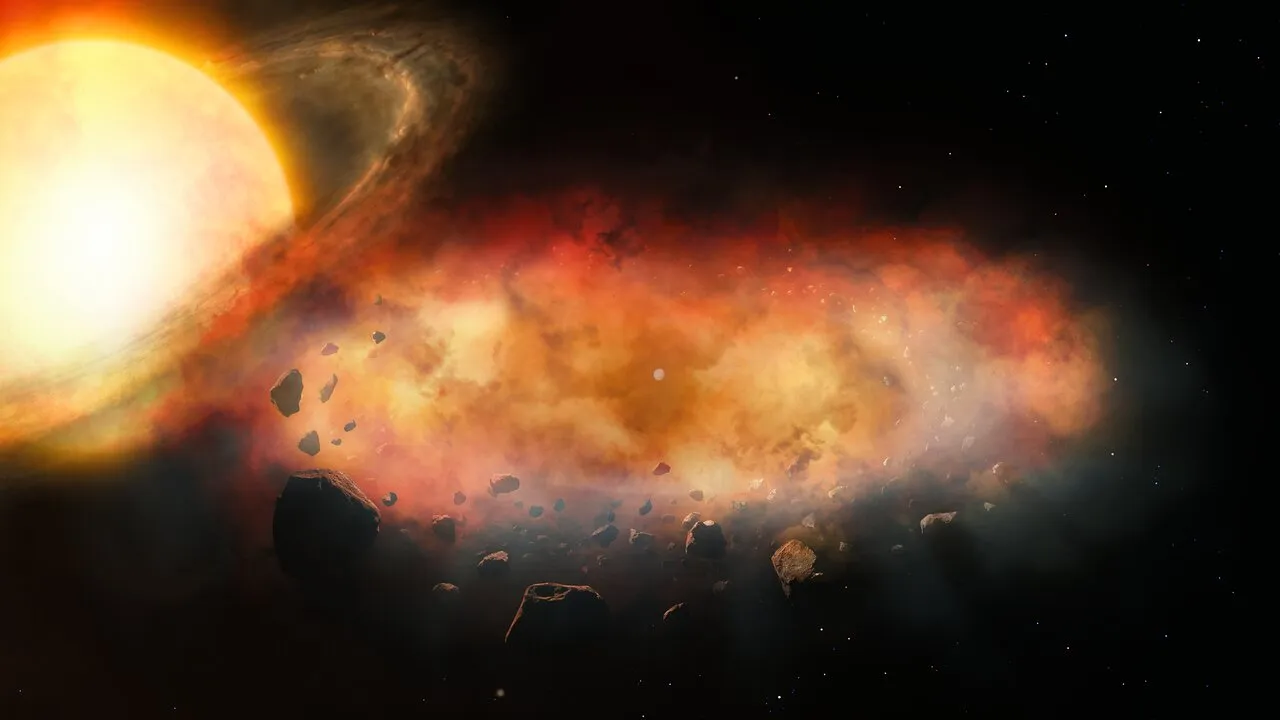
Massive Cloud With Metallic Winds Discovered Orbiting Mystery Object
Sweeping winds of vaporized metals have been found in a massive cloud that dimmed the light of a star for nearly nine months.
astrophysicsstars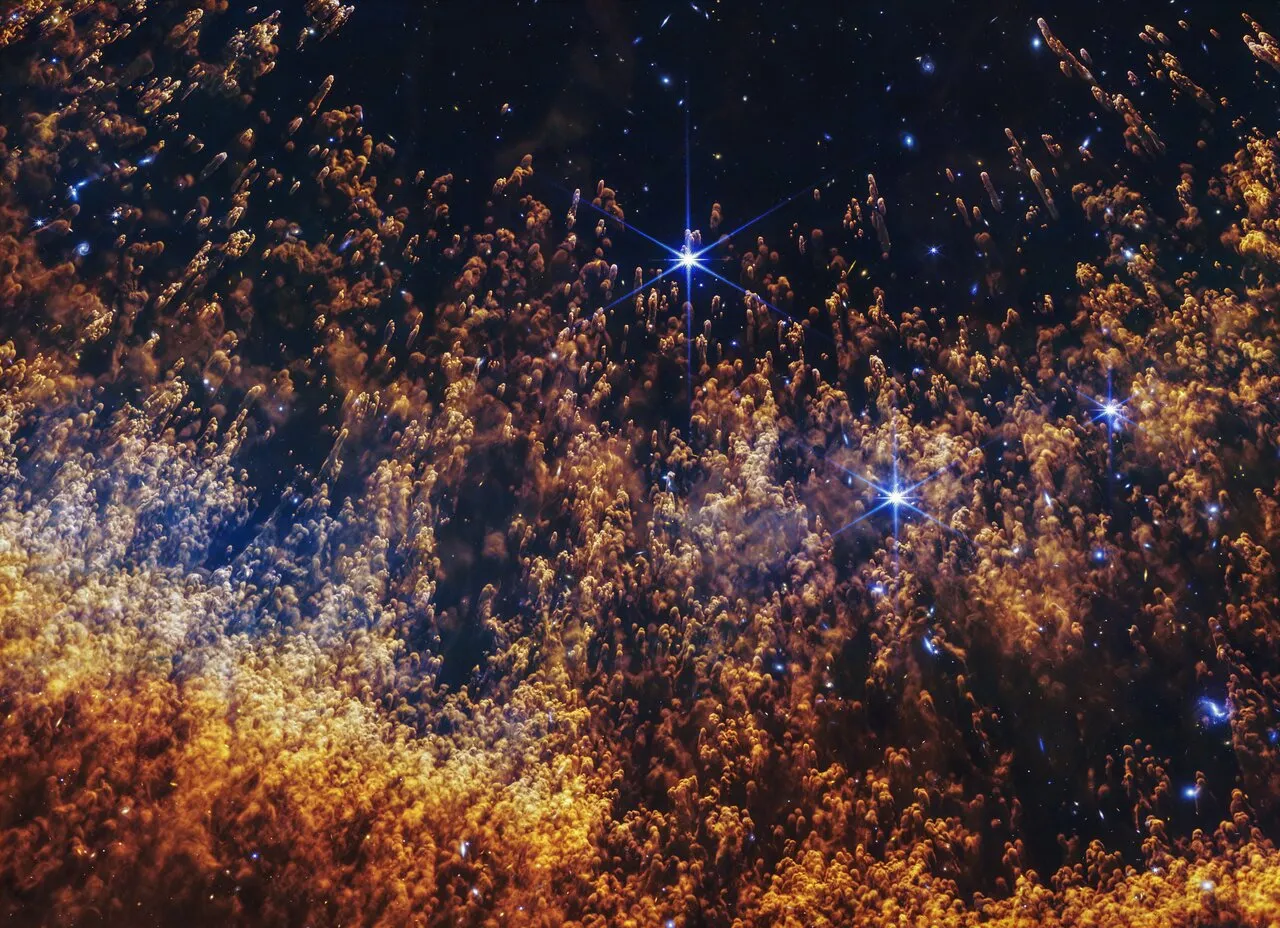
Intricacies of the Helix Nebula revealed by Webb
First spotted in the early 1800s, the Helix Nebula has become one of the most iconic planetary nebulas in the sky as it’s recognised for its striking, ring-like shape.
astrophysicsnebulaeALMA and the NSF VLA Use a Cosmic Lens to Reveal a Hyperactive Cradle of a Future Galaxy Cluster
ALMA observations, together with NSF VLA, uncover the first strongly lensed protocluster core, revealing an intense burst of galaxy growth in the early universe
astrophysicsgalaxiesNew Discovery Challenges Evolution of Galaxy Clusters
ALMA detects the earliest hot intracluster atmosphere ever seen, revealing a huge thermal reservoir, and forcing astronomers to reconsider how galaxy clusters grew in the early universe
astrophysicsgalaxiesRadio Telescopes Reveal “Invisible” Gas Around Record-Shattering Cosmic Explosion
Astronomers using the Atacama Large Millimeter/submillimeter Array (ALMA) and other radio observatories have detected dense gas surrounding one of the most energetic cosmic explosions ever observed.
astrophysics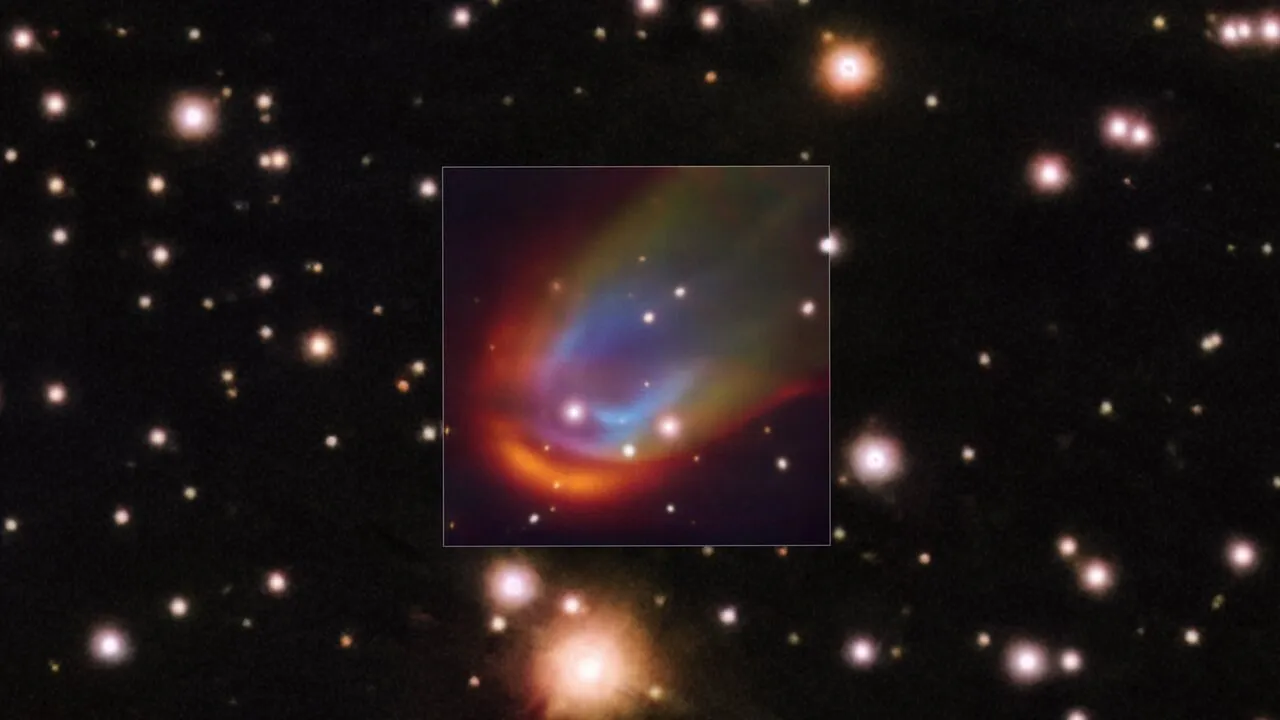
Astronomers surprised by mysterious shock wave around dead star
Gas and dust flowing from stars can, under the right conditions, clash with a star’s surroundings and create a shock wave.
astrophysicsA "Cosmic Hamburger" Offers New Clues to Giant Planet Formation
ALMA Studies Supersized Protoplanetary Disk
astrophysicsexoplanetsNSF–DOE Vera C. Rubin Observatory Spots Record-Breaking Asteroid in Pre-Survey Observations
Astronomers analyzing data from NSF–DOE Vera C. Rubin Observatory, jointly funded by the U.S. National Science Foundation and the U.S. Department of Energy's Office of Science, have discovered the fastest-ever spinning asteroid with a diameter over half a kilometer — a feat uniquely enabled by Rubin.
astrophysicsthe solar system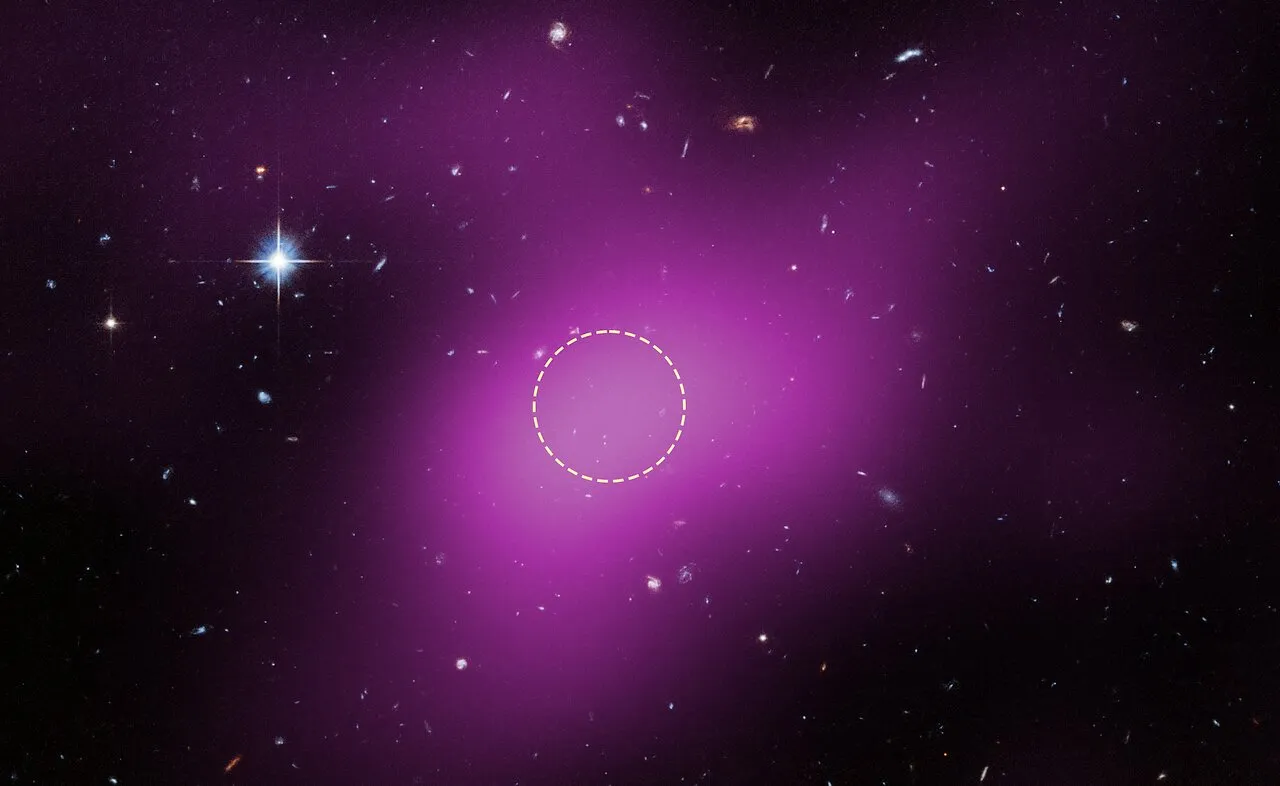
Hubble examines Cloud-9, first of new type of object
A team using the NASA/ESA Hubble Space Telescope has uncovered a new type of astronomical object —a starless, gas-rich, dark-matter cloud that is considered a “relic” or remnant of early galaxy formation.
astrophysicsSuper Massive Black Holes May Be Picky Eaters
New ALMA research reveals galaxy mergers that feed black holes may not be the buffet astronomers previously thought
astrophysicsblack holesConstruction begins on the first and largest gamma-ray observatory in Chile
Yesterday, a groundbreaking ceremony for the CTAO’s southern array facility took place at the European Southern Observatory’s (ESO’s) Paranal site in Chile, marking the beginning of construction of the telescope foundations.
astrophysics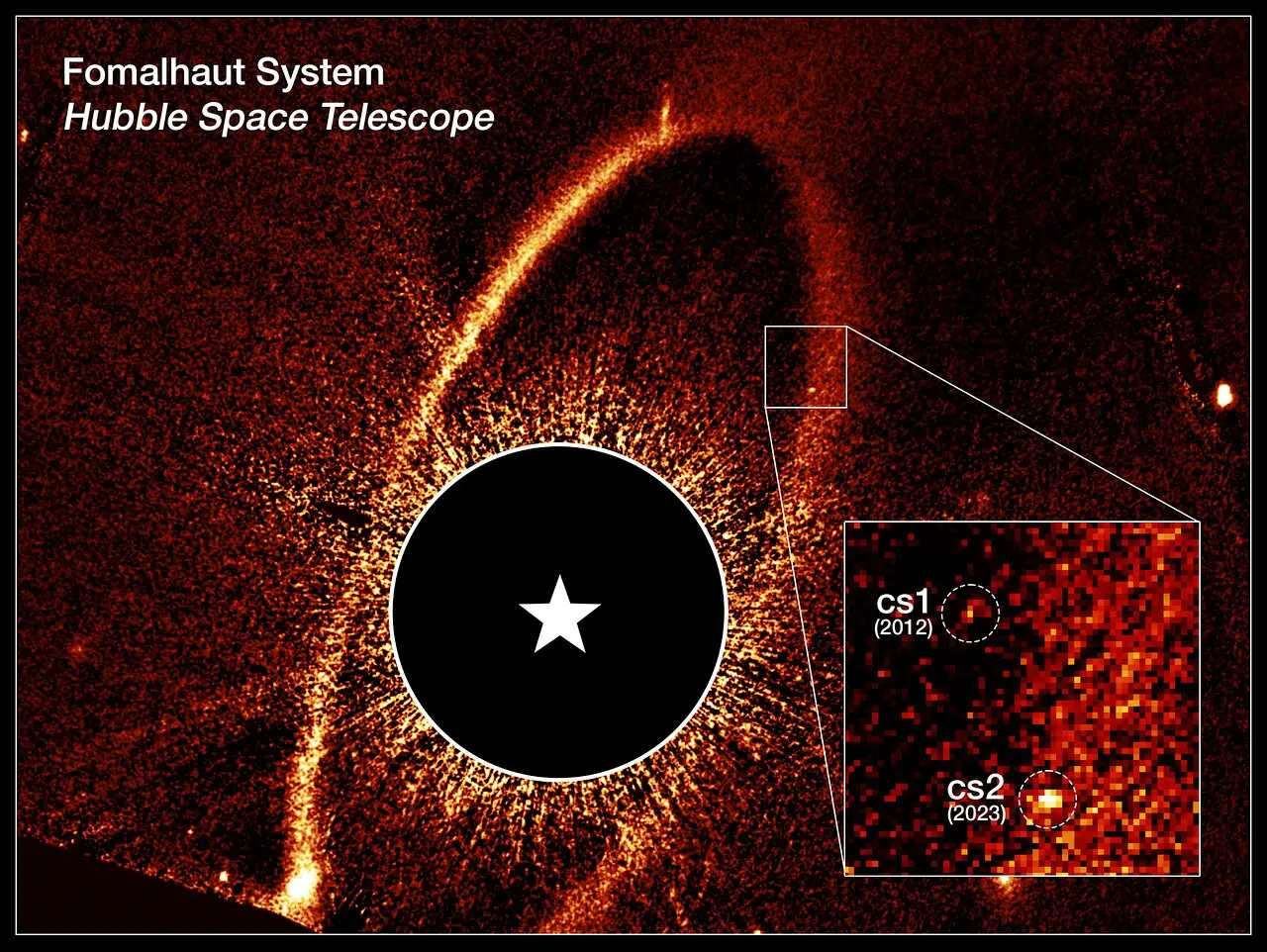
Hubble sees asteroids colliding at nearby star for first time
In a historical milestone, catastrophic collisions in a nearby planetary system were witnessed for the first time by astronomers using the NASA/ESA Hubble Space Telescope.
astrophysicsthe solar systemNASA’s Fermi Spots Young Star Cluster Blowing Gamma-Ray Bubbles
For the first time, astronomers using NASA’s Fermi Gamma-ray Space Telescope have traced a budding outflow of gas from a cluster of young stars in our galaxy — insights that help us understand how the universe has evolved as NASA explores the secrets of the cosmos for the benefit of all.
astrophysicsstar clusters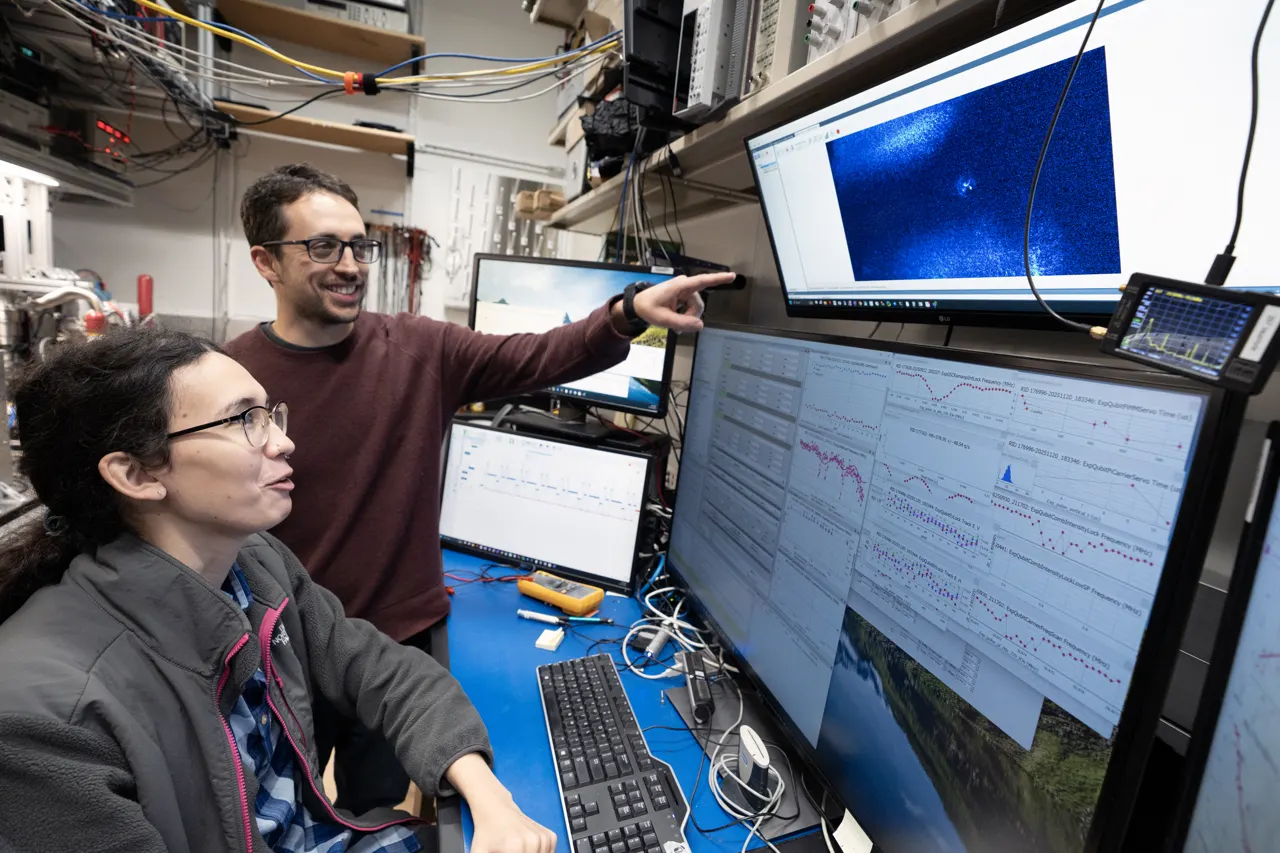
NIST Physicists Bring Unruly Molecules to the Quantum Party
Molecules can serve as versatile building blocks for quantum technologies, but they are much harder to control than atoms.
physicsNew Public Science Center Opens at Kitt Peak National Observatory
Windows on the Universe Center for Astronomy Outreach is a new science education and astronomy outreach center that has just opened at U.S. National Science Foundation Kitt Peak National Observatory, a Program of NSF NOIRLab.
astrophysics