Frontier science, explained
Space, physics and materials news from NASA, NIST, ESA/Hubble, ESA/Webb, ESO, NOIRLab and ALMA.
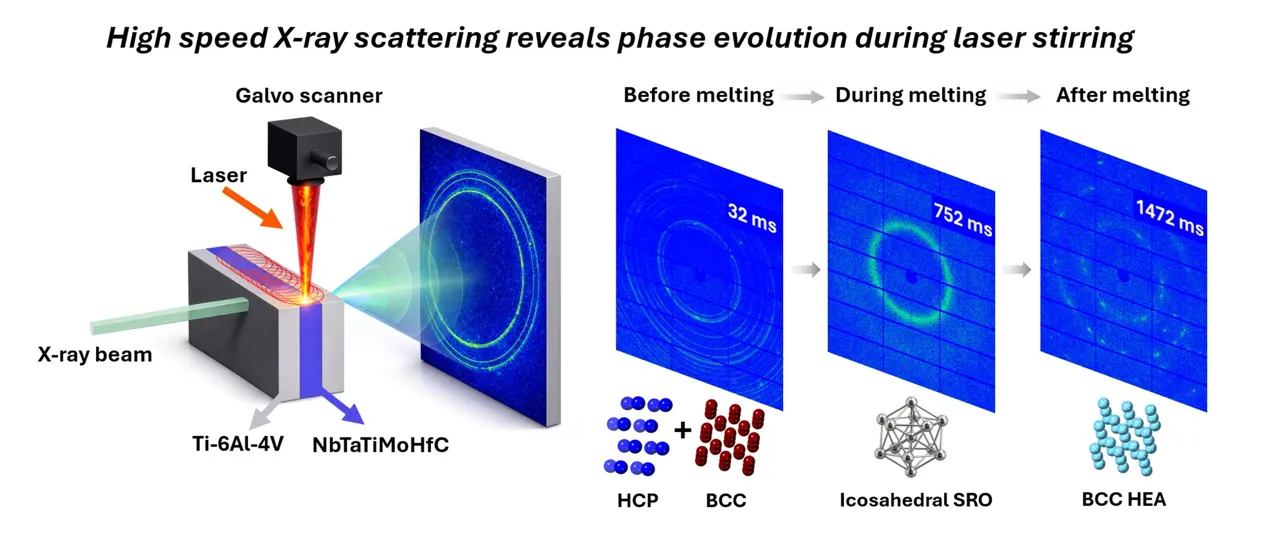
NIST Researchers Discover a New Way to Whisk Alloys Together With Lasers
NIST also improved how X-rays are used to study the atomic structure of metals in real time during 3D printing, allowing researchers to observe how materials change under extreme conditions.
materials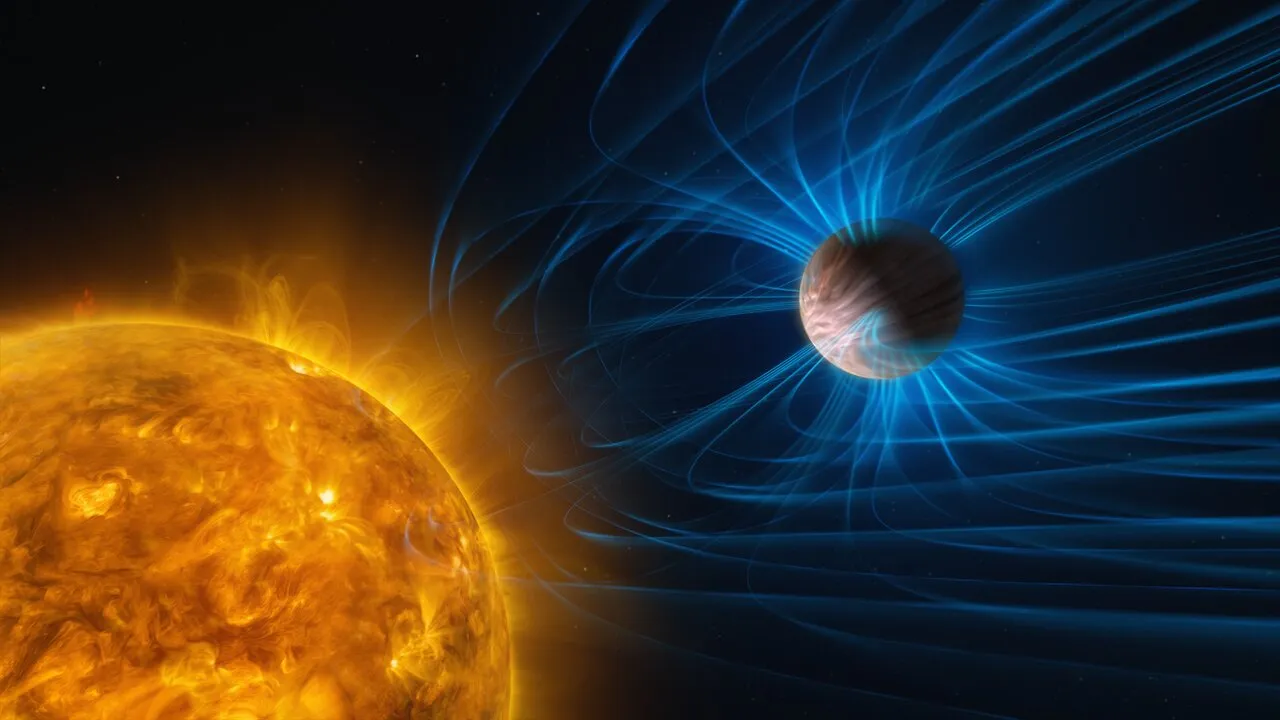
Strange winds reveal strongest hints yet of magnetic activity in exoplanets
A team of astronomers has found the strongest evidence yet that some planets outside our Solar System may be magnetic.
astrophysicsexoplanets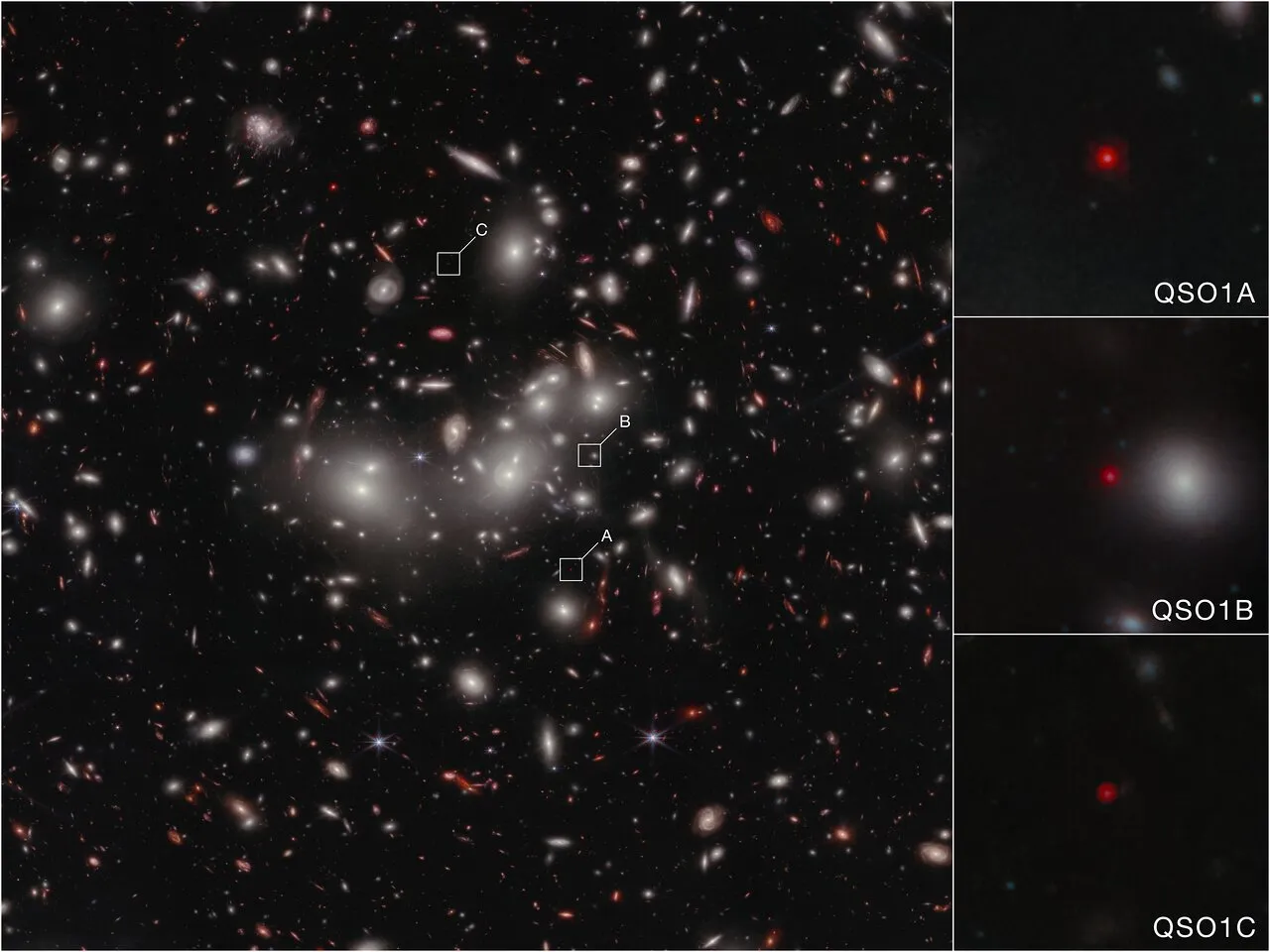
Webb reveals black hole that formed before its galaxy
The first direct mass measurement from the early Universe weighs in on the debate over the origins of supermassive black holes.
astrophysicsblack holes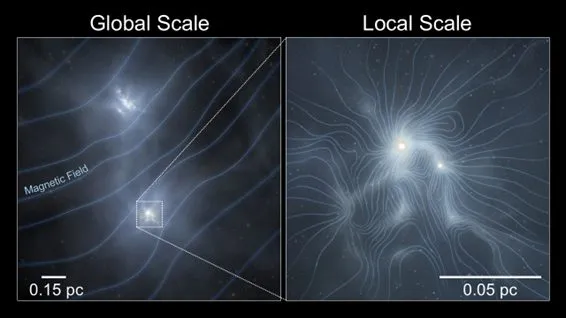
ALMA Reveals Turbulence May Dominate Magnetic Fields in the Seeds of Massive Star Clusters
Massive stars profoundly influence their surroundings.
astrophysicsstar clustersGaze into the Crystal Ball Nebula and See the Light Emitted by a Dying Star 1500 Years Ago
The 8.1-meter Gemini North telescope, located on the summit of Maunakea in Hawai‘i, has captured NGC 1514, nicknamed the Crystal Ball Nebula, in awe-inspiring detail.
astrophysicsnebulae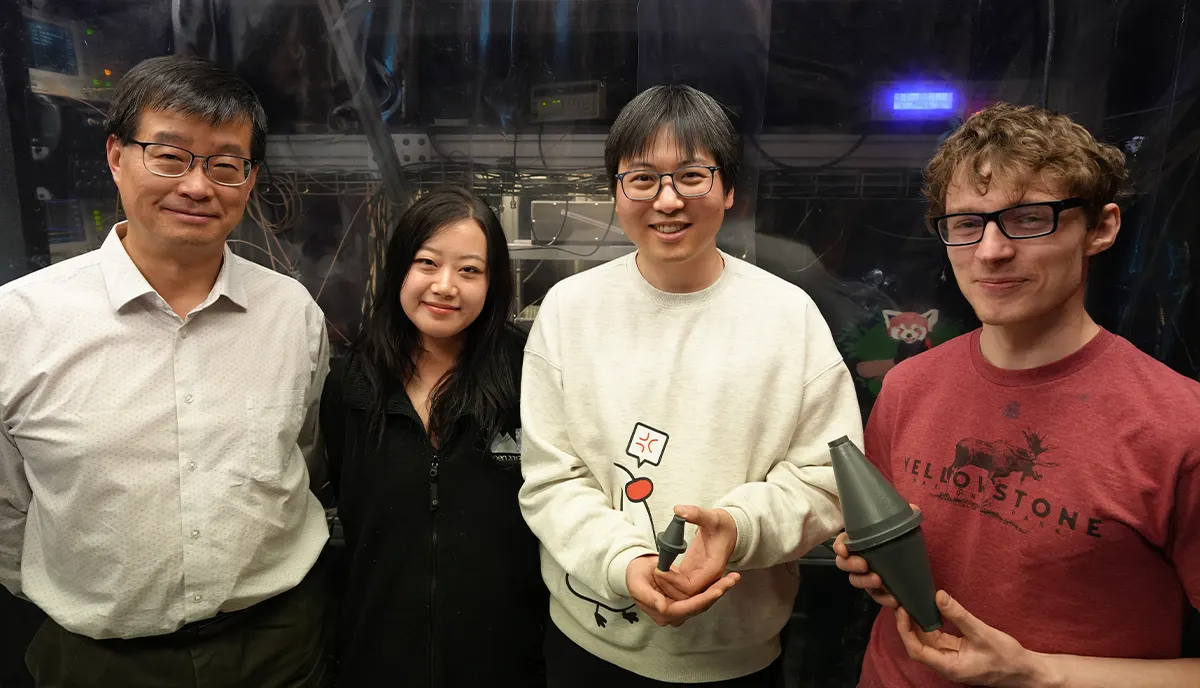
Shooting for the Moon: Ultrastable Lasers in Dark Craters Could Enable Lunar Navigation, Precision Timekeeping, New Science
Lunar craters in permanent shadow could be ideal locations for building the most stable optical lasers ever made.
physics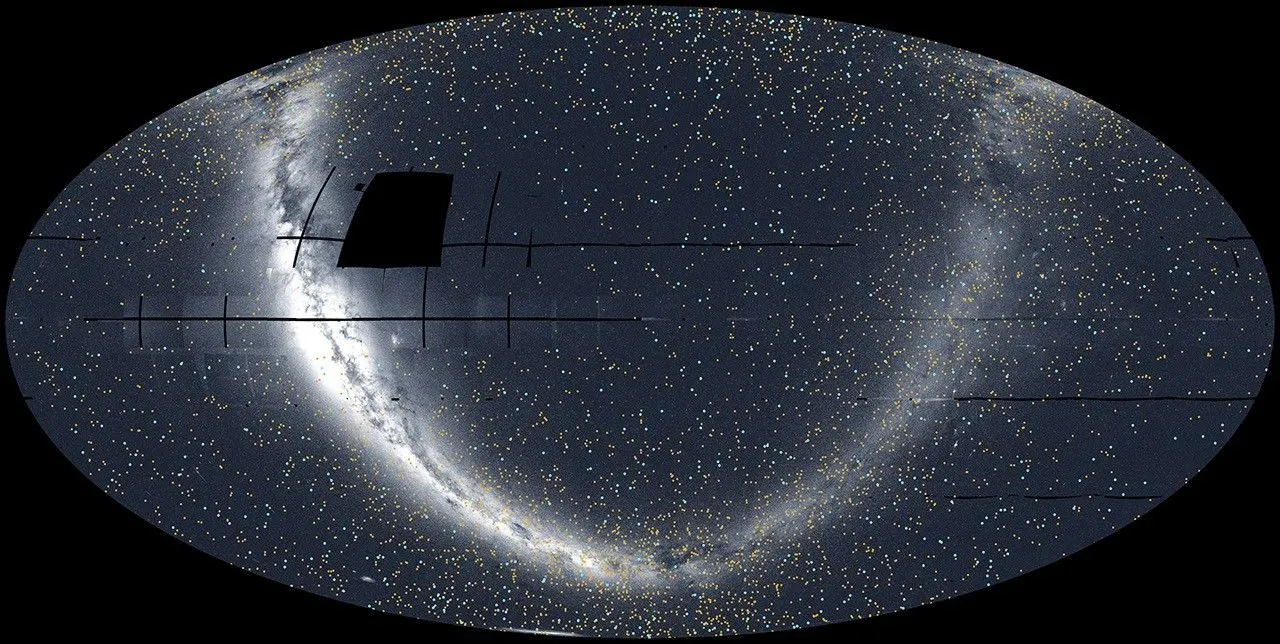
NASA’s Planet-Hunting TESS Reveals Dazzling Night Sky
NASA’s TESS has released its most complete view of the starry sky to date
astrophysicsexoplanet scienceexoplanet transitsexoplanetsgoddard space flight centerscience & researchWear and Tear Changes Measurable PFAS Levels in Firefighter Hoods, Gloves and Wildland Gear
In the fourth of an ongoing series of reports, NIST shows that wear and tear increased the levels of PFAS found in hoods and gloves.
chemistryNew Ultra-Black Coating Could Enable the Search for Life on Exoplanets
A recently developed ultra-black coating not only efficiently absorbs light, but is also extremely thin and durable, enabling its potential use on starshades that could someday support the imaging of exoplanets and potentially facilitate the detection of life beyond our solar sys
astrophysics divisionexoplanet scienceexoplanetstechnology highlights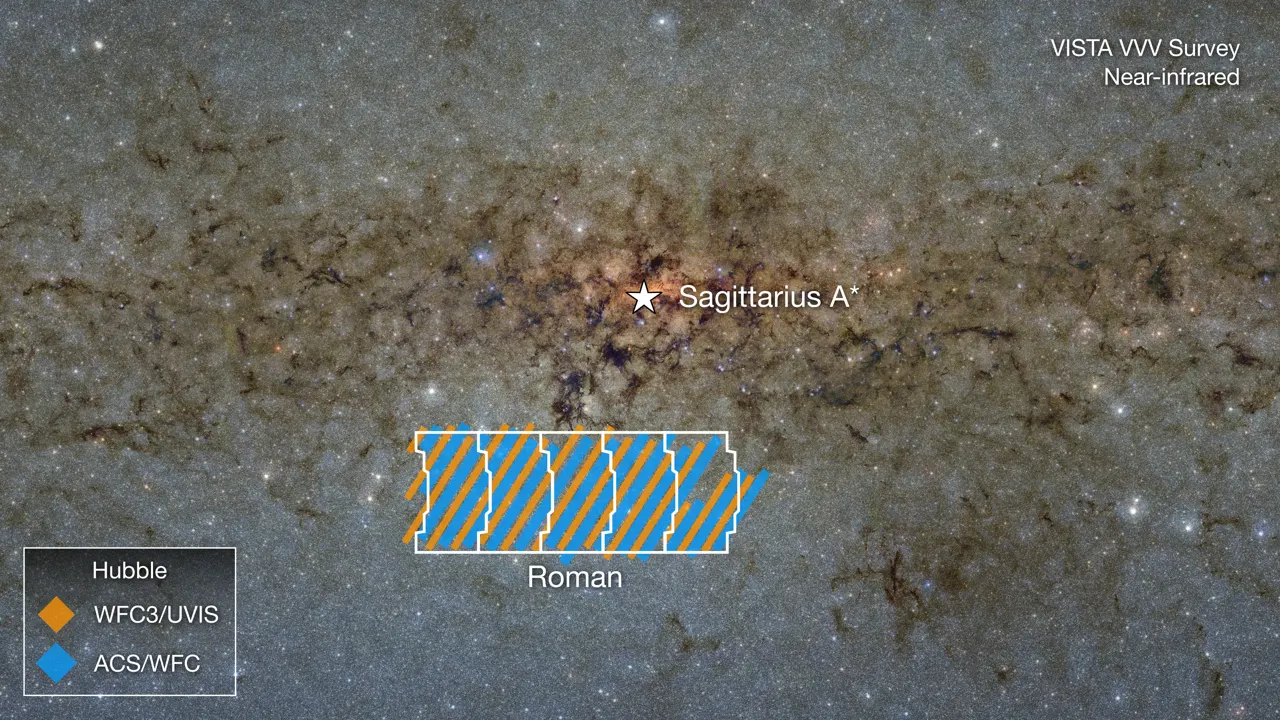
Hubble Survey Sets Up Roman’s Future Look Near Milky Way’s Center
The Milky Way’s galactic bulge, the bulbous region that surrounds the galactic center, contains a dense collection of stars, planets, and other free-floating objects.
astrophysicsastrophysics divisionexoplanetsgoddard space flight centergravitational lensinghubble space telescope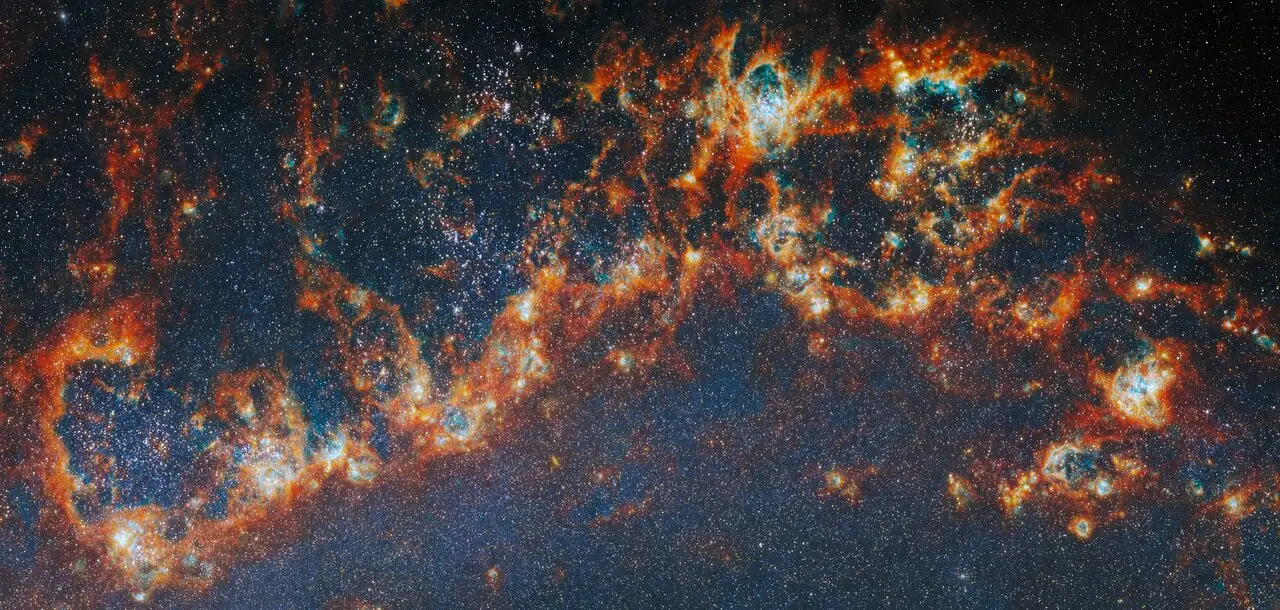
Webb looks into the cradles of star clusters, finds massive clusters emerge faster
Astronomers using the NASA/ESA/CSA James Webb Space Telescope together with the NASA/ESA Hubble Space Telescope have looked deeply at thousands of young star clusters in four nearby galaxies, studying clusters at different stages of evolution.
astrophysicsstar clustersALMA Reveals How Planet-Forming Disks Take Shape
New study identifies a long-sought transition zone where infalling gas becomes a rotating disk.
astrophysicsexoplanetsNASA Connects Little Red Dots with Chandra, Webb
A newly discovered object may be a key to unlocking the true nature of a mysterious class of sources that astronomers have found in the early universe in recent years.
astrophysicsALMA Witnesses Star Birth Beyond the Milky Way
Highlights
astrophysicsstars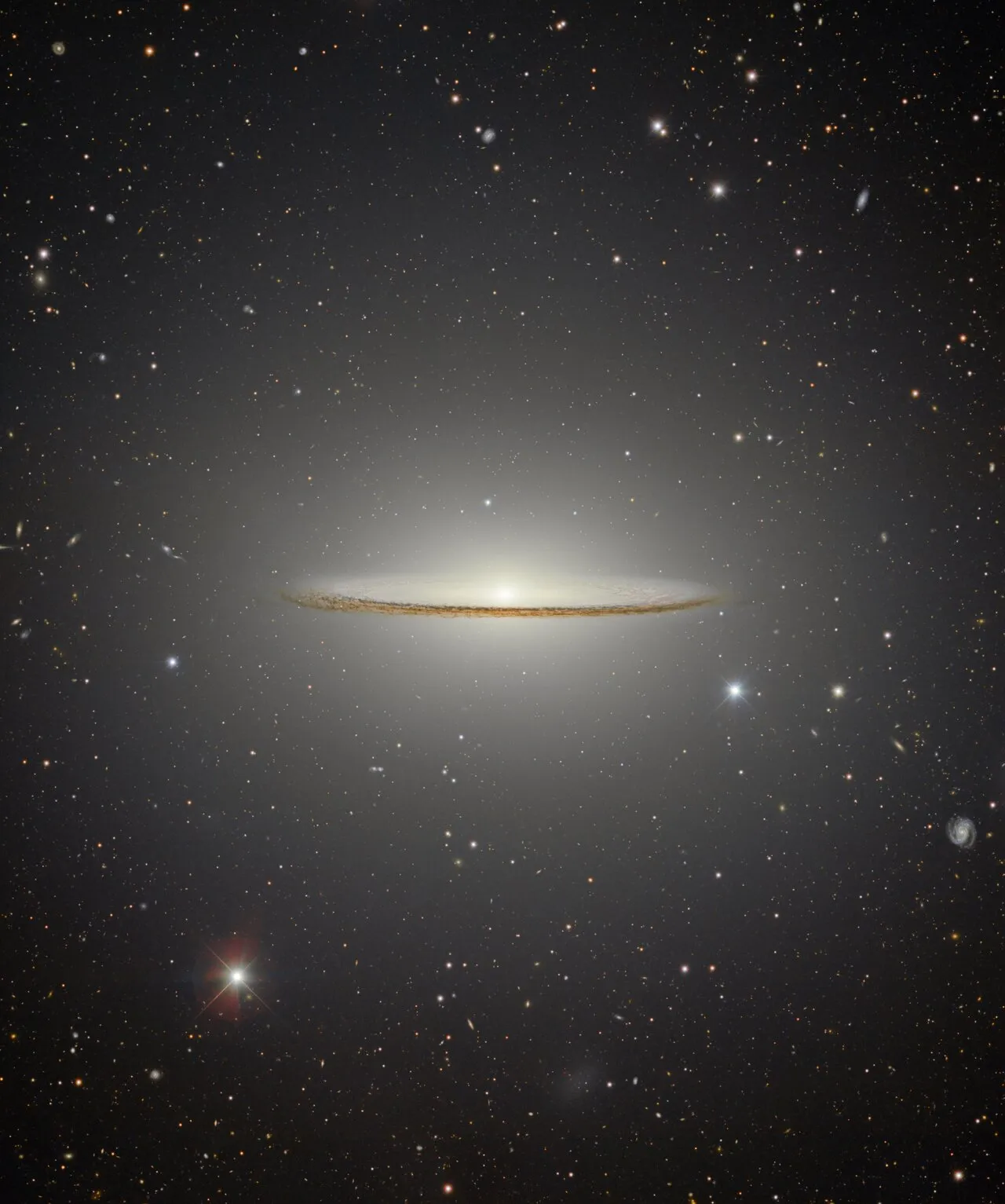
Sombrero Galaxy: The Universe’s Dusty Brimmed Hat Revealed Like Never Before
Messier 104, nicknamed the Sombrero Galaxy, is a popular target for amateur observing and astronomical research.
astrophysicsgalaxies