Frontier science, explained
Space, physics and materials news from NASA, NIST, ESA/Hubble, ESA/Webb, ESO, NOIRLab and ALMA.
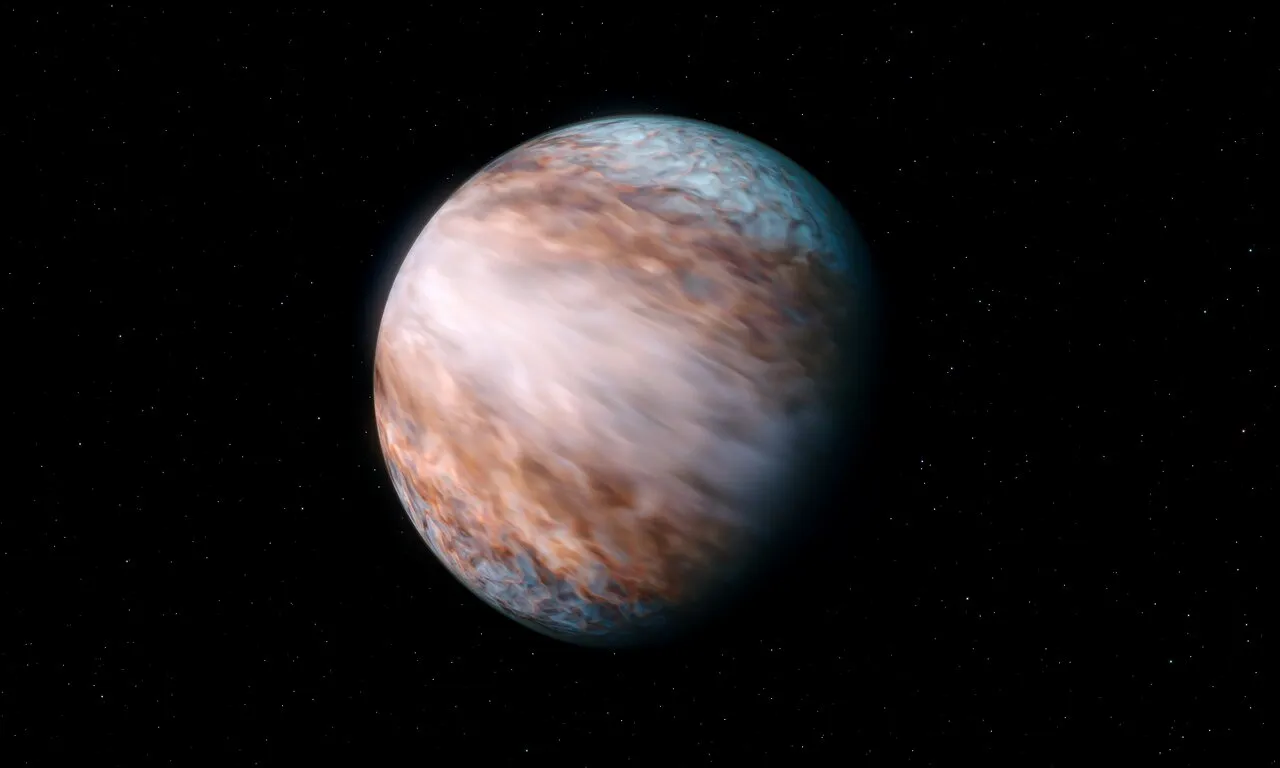
Extreme supersonic winds measured on planet outside our Solar System
Astronomers have discovered extremely powerful winds pummeling the equator of WASP-127b, a giant exoplanet.
astrophysicsexoplanets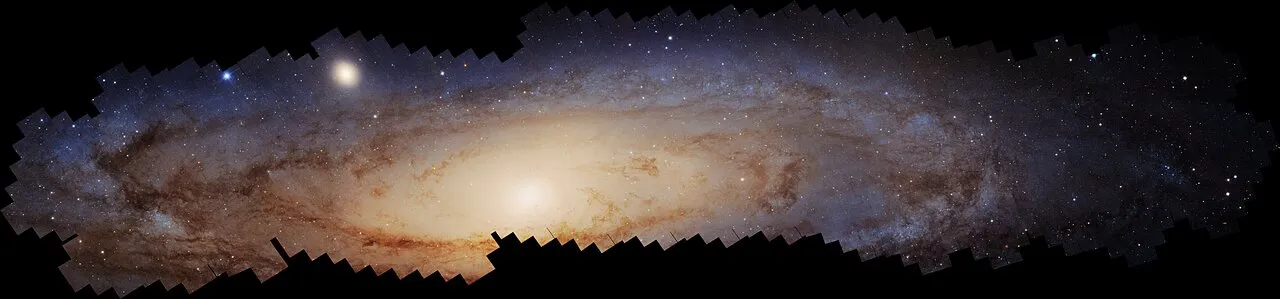
Hubble traces hidden history of the Andromeda Galaxy
The largest photomosaic of the Andromeda galaxy, assembled from NASA/ESA Hubble Space Telescope observations, has been unveiled.
astrophysicsgalaxies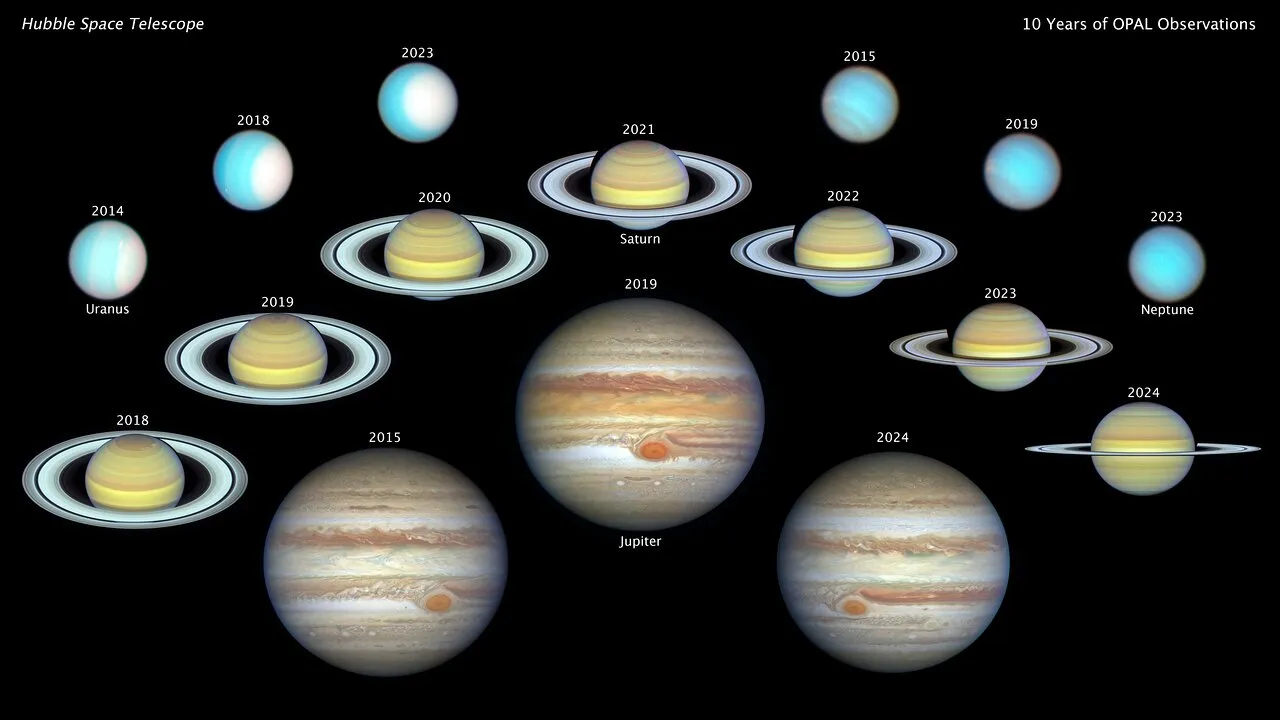
Hubble celebrates a decade of tracking the outer planets
From 2014 to 2024, the NASA/ESA Hubble Space Telescope has been studying the outer planets under a program called OPAL (Outer Planet Atmospheres Legacy) to obtain long-time baseline observations of Jupiter, Saturn, Uranus, and Neptune in order to understand their atmospheric dynamics and evolution.
astrophysicsthe solar system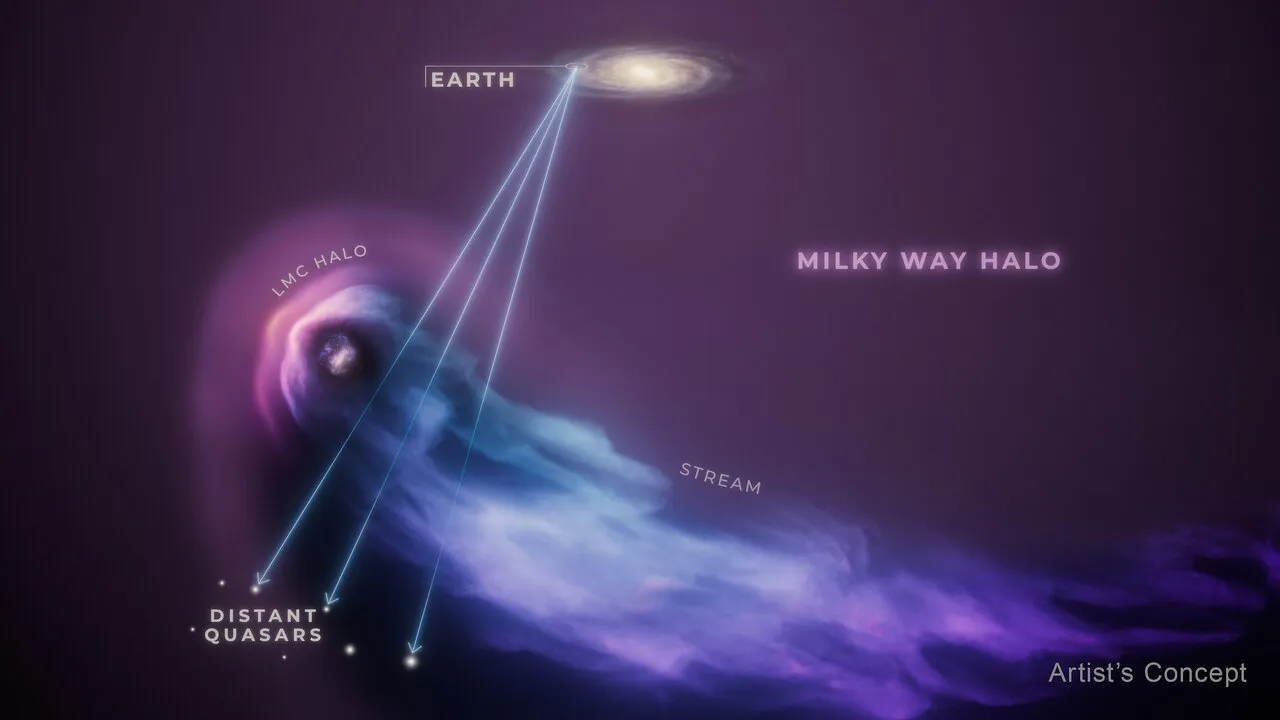
Hubble sees aftermath of galaxy’s scrape with Milky Way
Encounter blew away most of smaller galaxy’s gaseous halo
astrophysicsgalaxies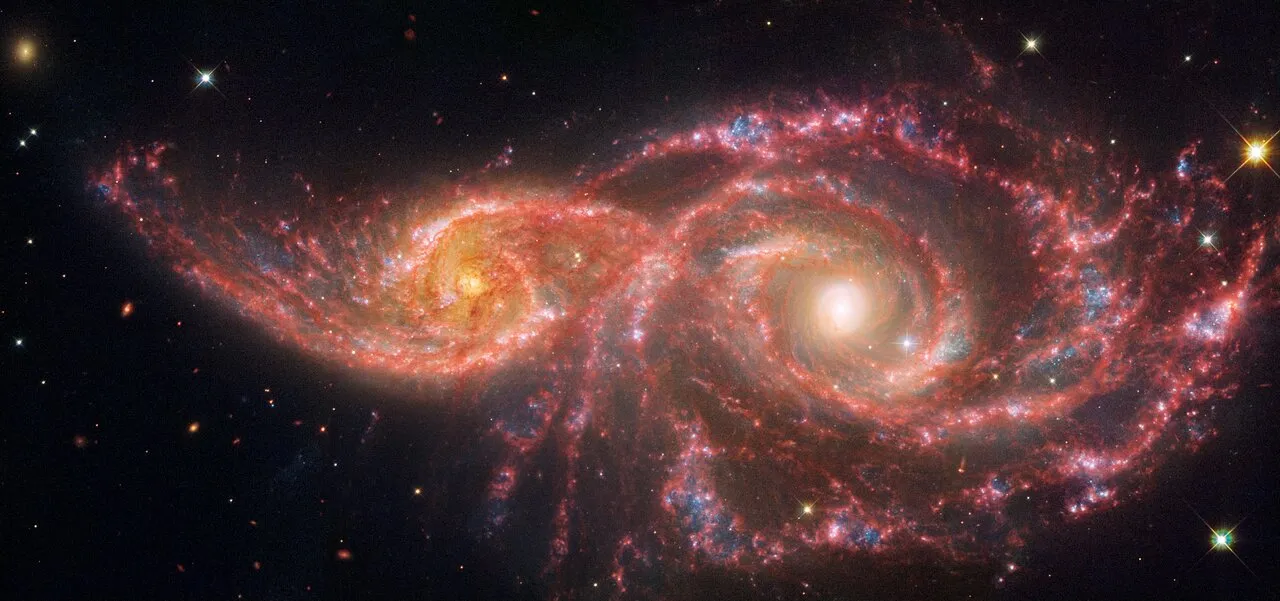
Webb and Hubble examine spooky galaxy pair
Stare deeply at these galaxies.
astrophysicsgalaxies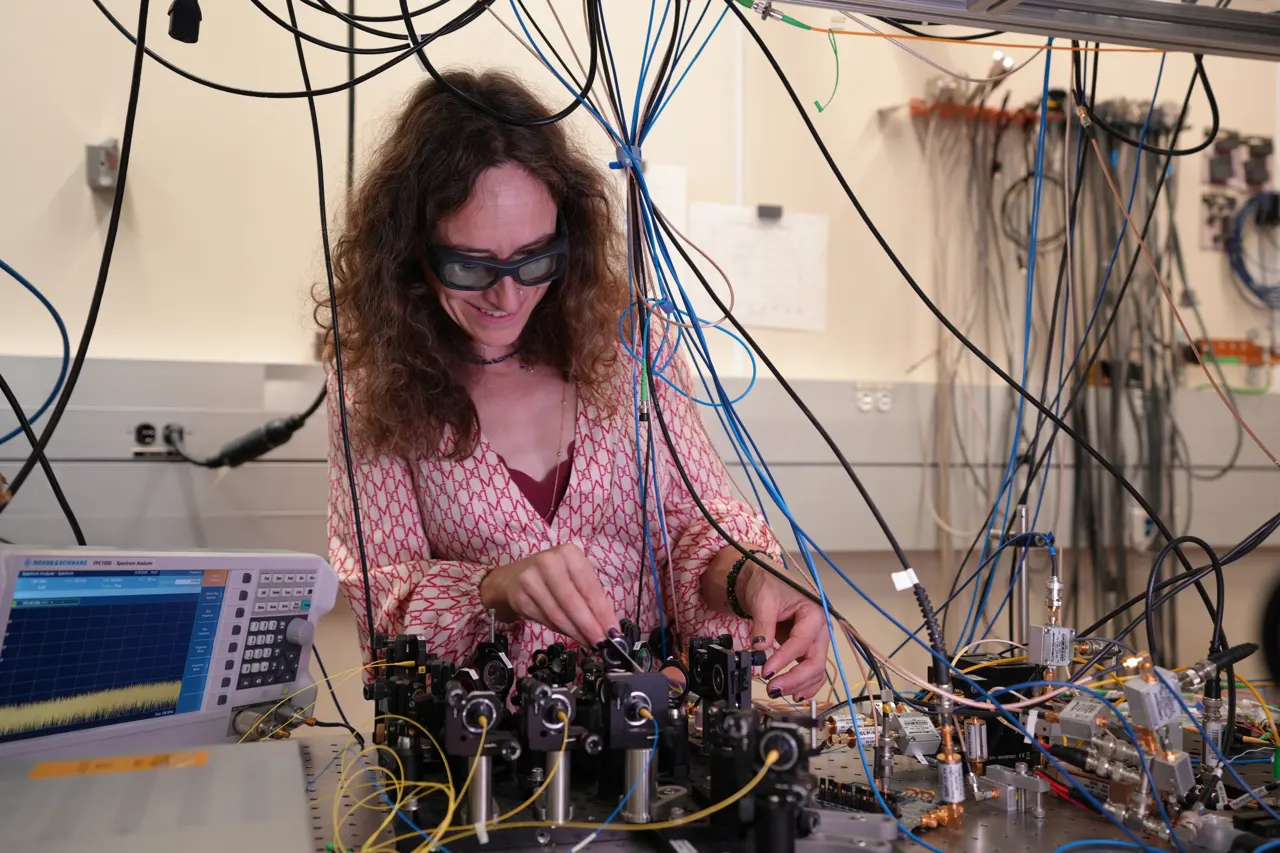
Smart New Laser Technology Can Monitor Greenhouse Gases Faster, More Sensitively
New laser technology, known as free-form dual-comb spectroscopy, quickly measures gases of interest by homing in on the most information-rich parts of a sample.
metrologyoptical frequency comb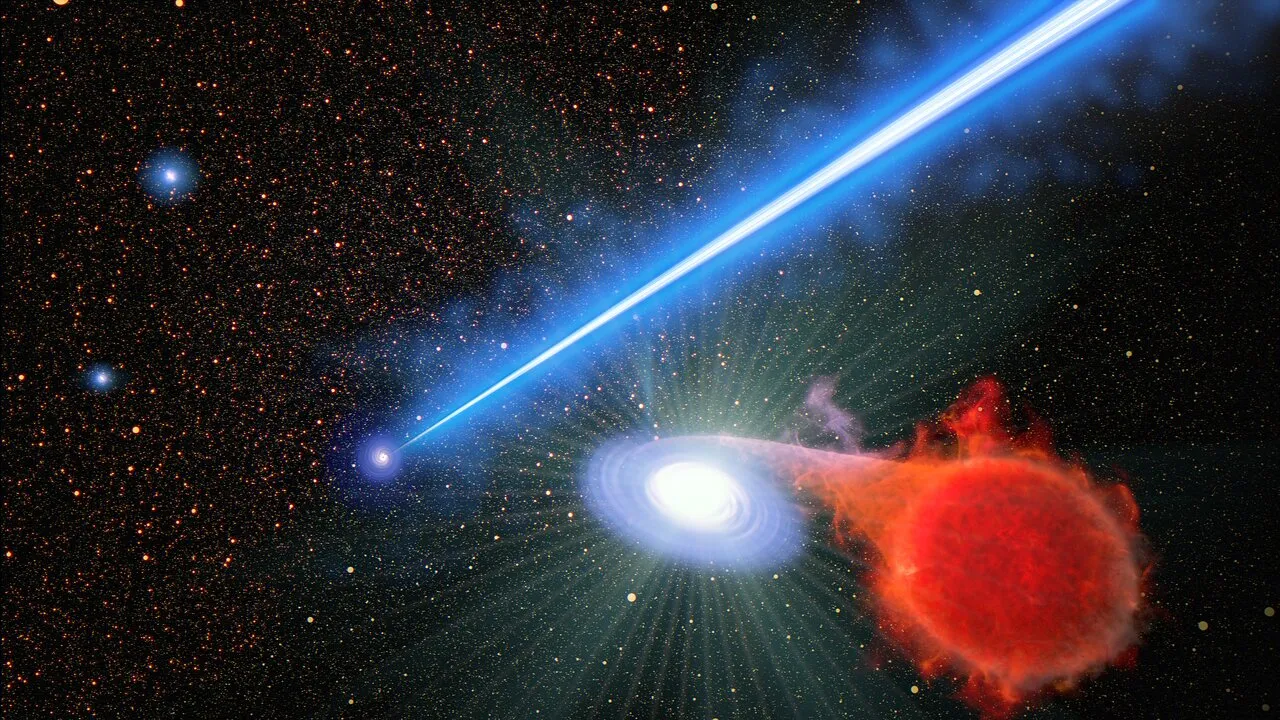
Hubble finds that a black hole beam promotes stellar eruptions
In a surprise finding, astronomers using the NASA/ESA Hubble Space Telescope have discovered that the blowtorch-like jet from a supermassive black hole at the core of a huge galaxy seems to cause stars to erupt along its trajectory.
astrophysicsblack holes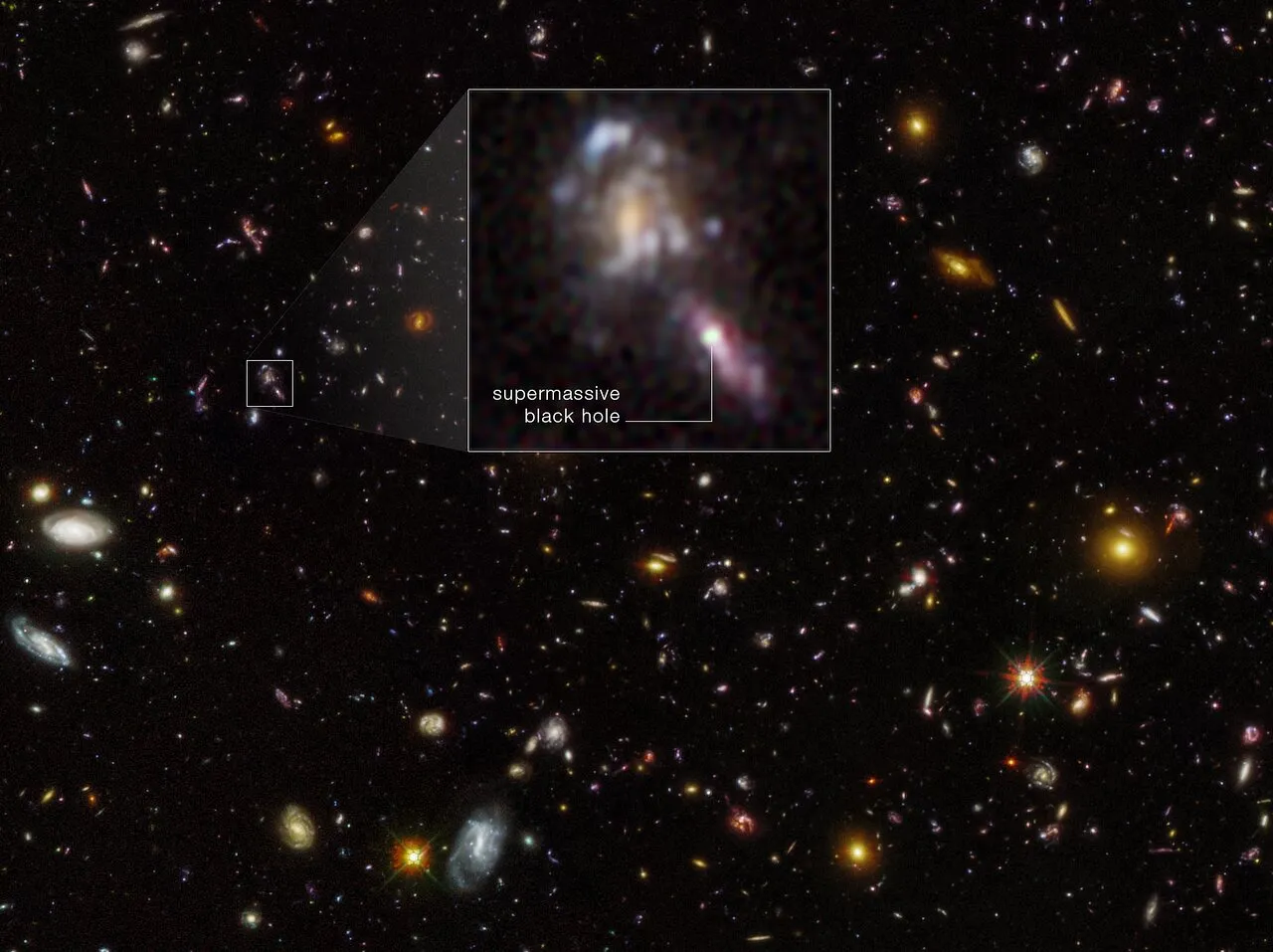
Hubble finds more black holes than expected in the early Universe
With the help of the NASA/ESA Hubble Space Telescope, an international team of researchers led by scientists in the Department of Astronomy at Stockholm University has found more black holes in the early Universe than has previously been reported.
astrophysicsblack holesNow Live: Living Cells Can Be Seen With Infrared Light
NIST researchers use new method to measure biomolecules in live cells.
chemistryMajor Leap for Nuclear Clock Paves Way for Ultraprecise Timekeeping
An international team led by JILA scientists has demonstrated key elements of a nuclear clock, a novel type of timekeeping device that would use signals from the nucleus of an atom.
metrology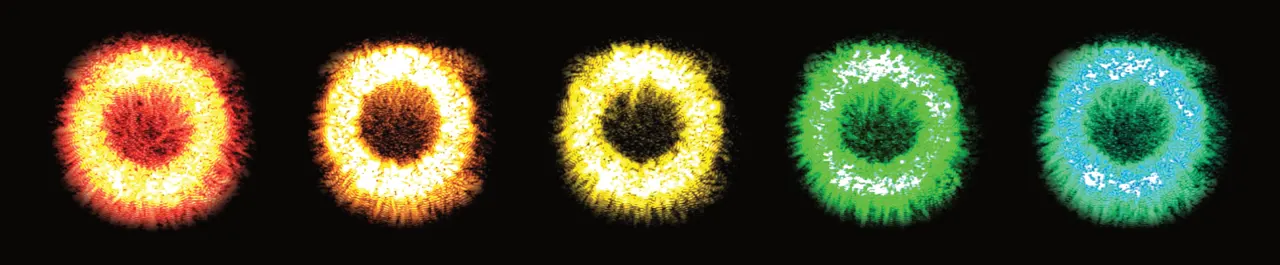
Tiny New Lasers Fill a Long-Standing Gap in the Rainbow of Visible-Light Colors, Opening New Applications
Researchers have created orange, yellow and green lasers tiny enough to fit on a chip.
materials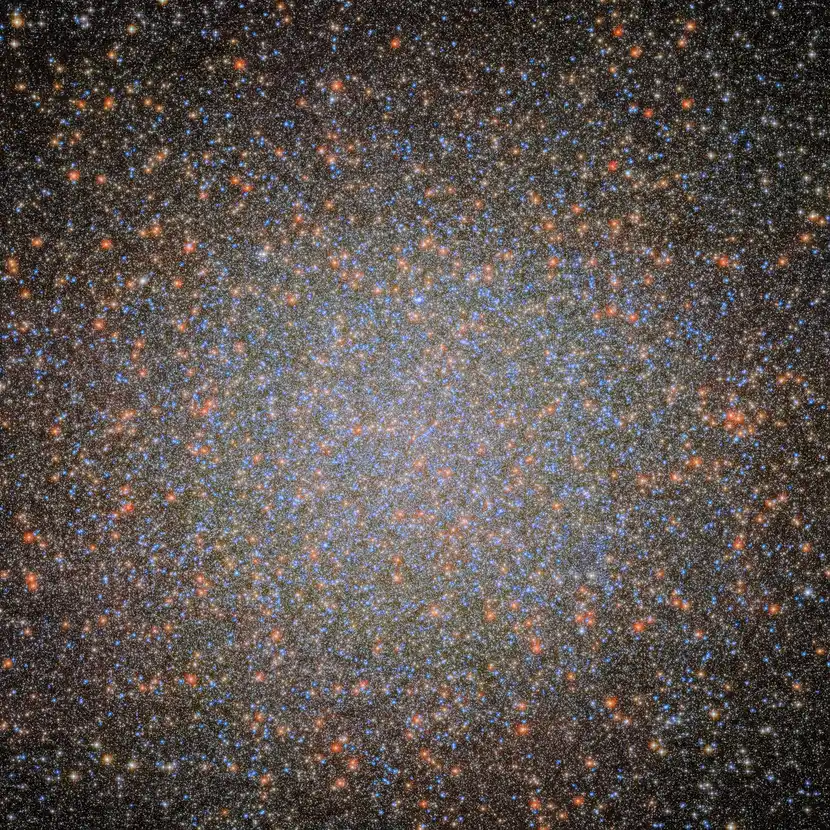
Hubble finds strong evidence for intermediate-mass black hole in Omega Centauri
An international team of astronomers has used more than 500 images from the NASA/ESA Hubble Space Telescope spanning two decades to detect seven fast-moving stars in the innermost region of Omega Centauri, the largest and brightest globular cluster in the sky.
astrophysicsblack holes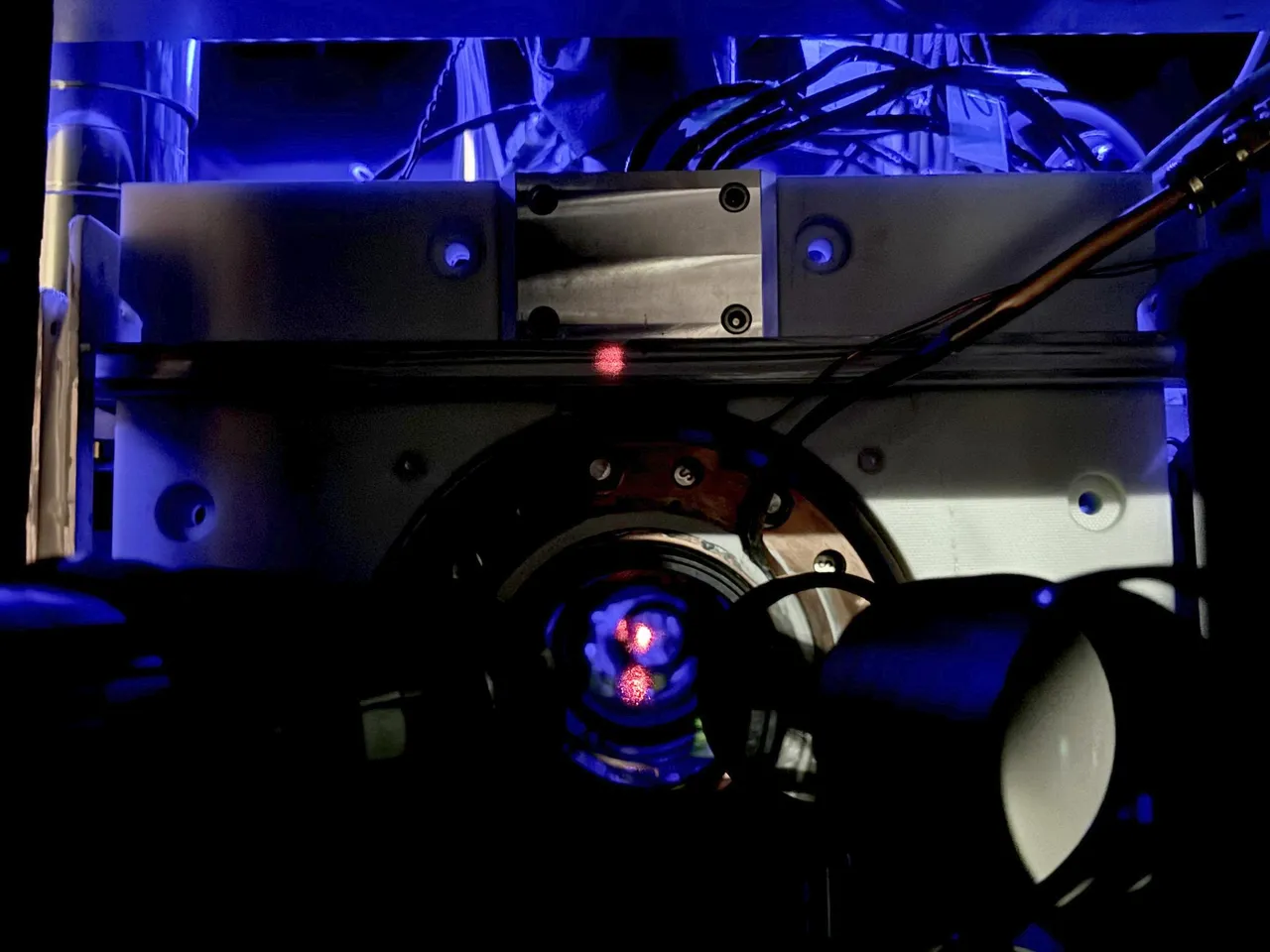
World's Most Accurate and Precise Atomic Clock Pushes New Frontiers in Physics
Researchers at JILA, a joint institute of NIST and the University of Colorado Boulder, have built an atomic clock more precise and accurate than any clock previously created.
metrology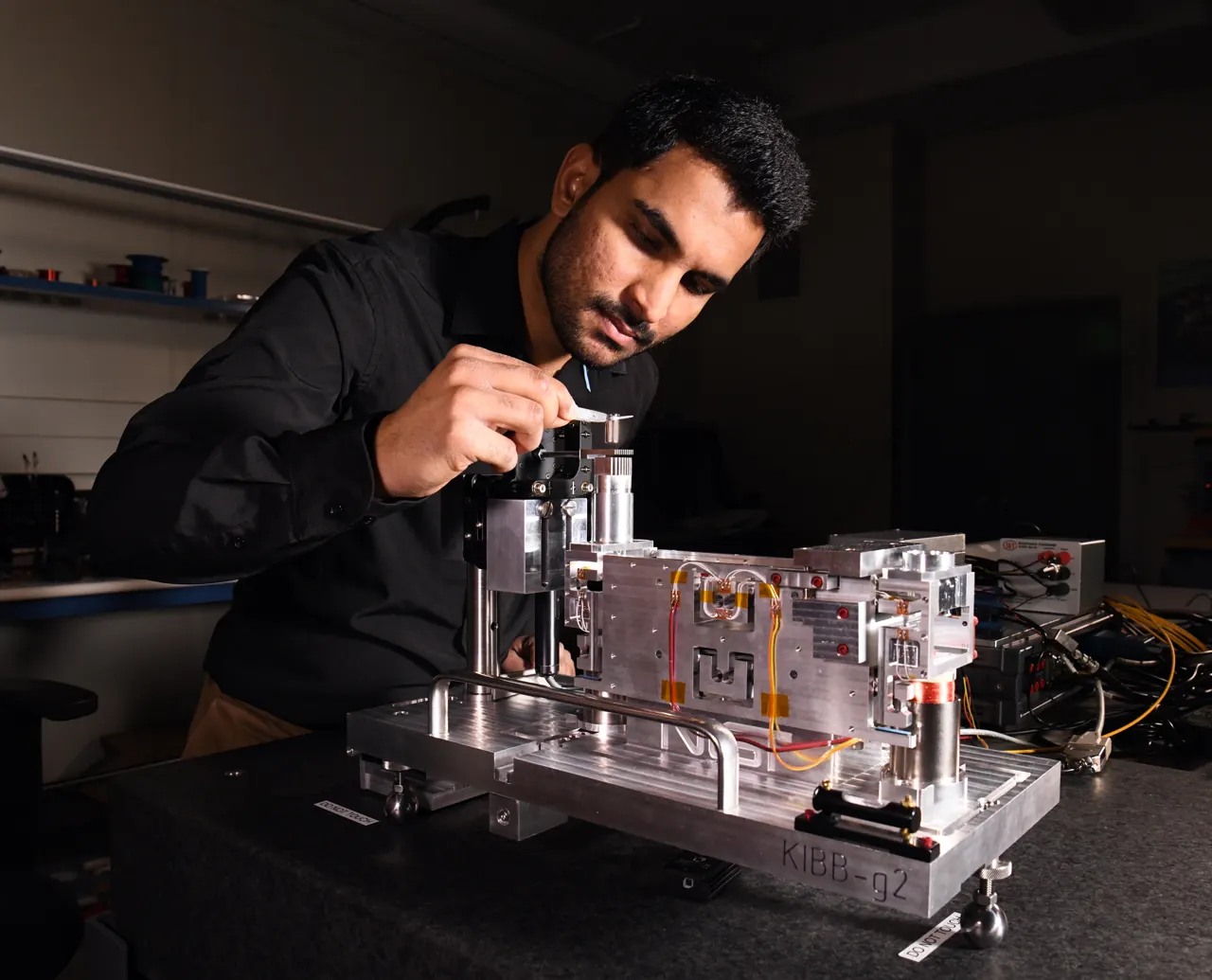
NIST Brings Mass Measurement to the Masses
NIST has delivered a portable and highly accurate instrument for measuring mass to the U.S. Army, marking the first time in the U.S. that this technology is available outside of NIST.
metrology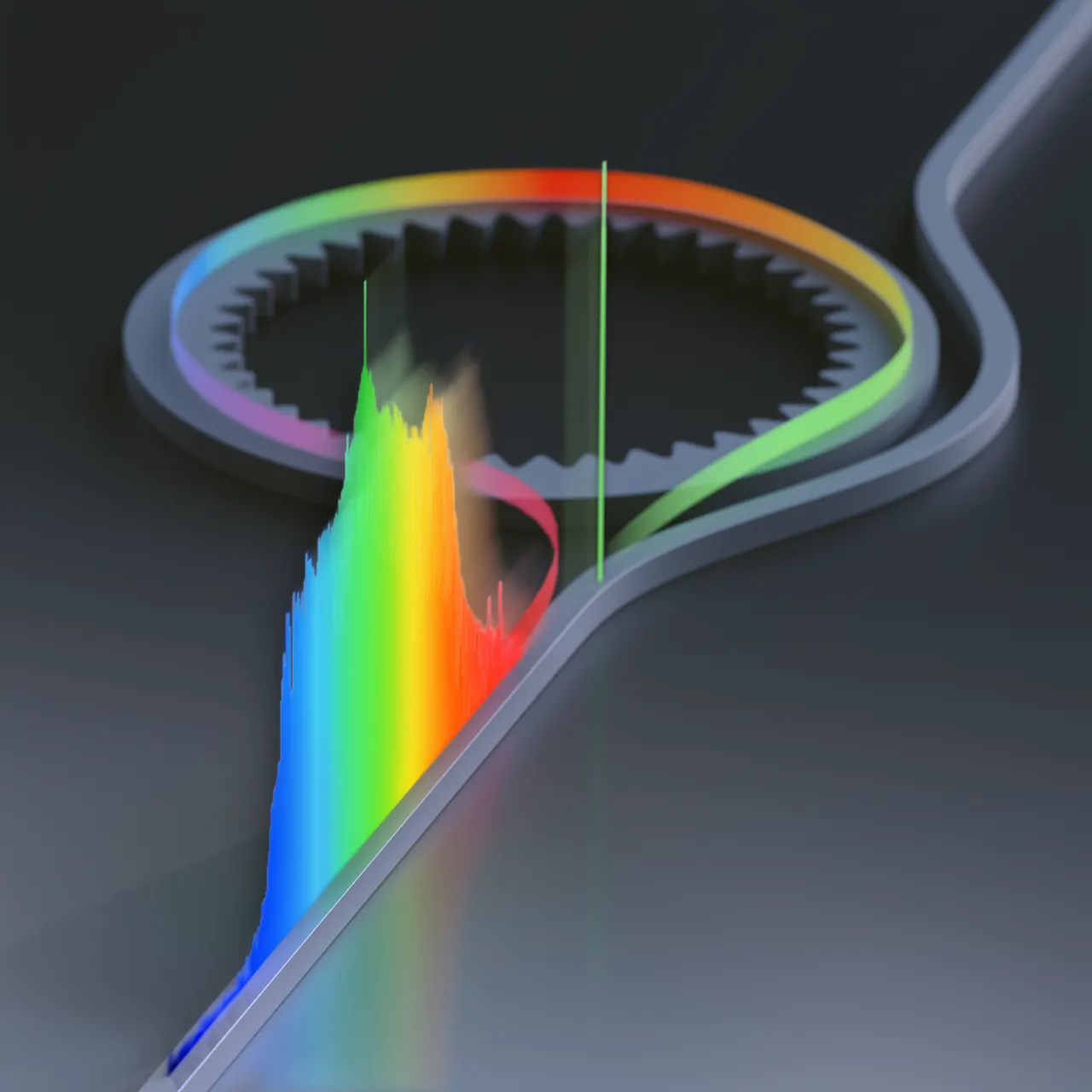
With Some Bumps, NIST Scientists Devise a Novel Way to Extend the Wavelength Range of Microcombs
NIST researchers and collaborators have devised a novel way to extend the operating range of microcombs to shorter near-infrared wavelengths, a boon for probing biological samples.
physics